logotype

Contacts

Registered Address:

MedGlobal,
10604 Southwest Highway, Suite 107
Chicago Ridge, IL 60415 USA

Checks:

MedGlobal,
1801 Hicks Road, Suite D,
Rolling Meadows, IL 60008

Zelle:

MedGlobal Inc
[email protected]

Copyright 2026  MedGlobal

Tag: Global Health

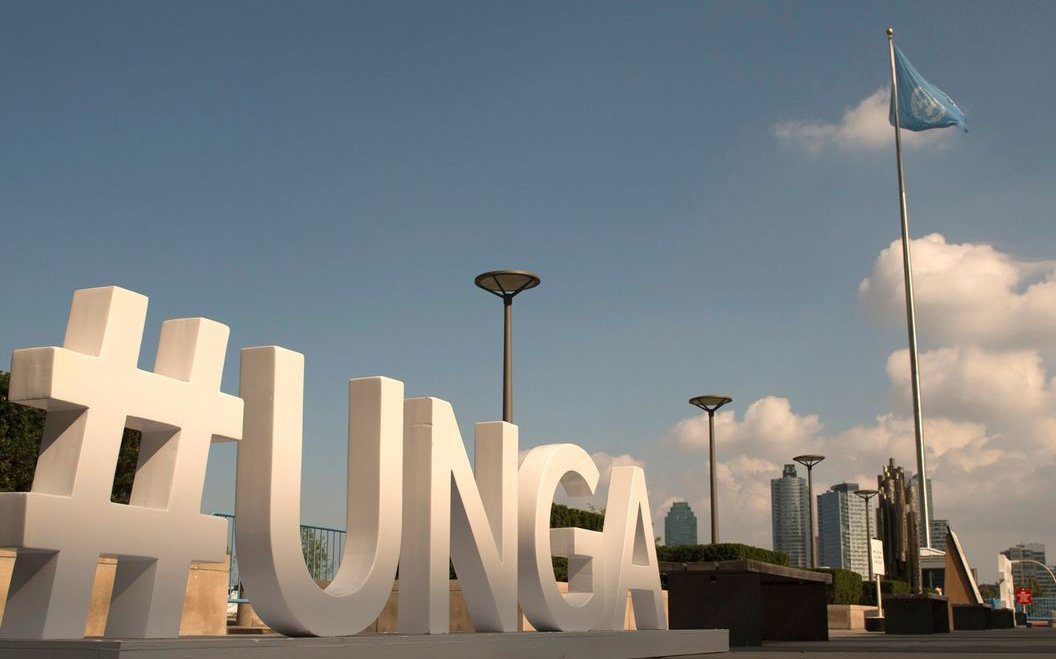
UNGA installation and United Nations flag in New York
FeaturedUpdate

At UNGA, Global Leaders Convene to Help Proven Maternal Health Solutions Reach More Mothers

NEW YORK — During the United Nations General Assembly High-Level Week, global leaders from the private sector, government, philanthropy, and NGOs will come together to address a critical global health challenge: proven, life-saving medical solutions already exist, but too often fail to reach the mothers and babies who need them.

On September 21, the Every Pregnancy Coalition, the Gates Foundation, the Federal Government of Nigeria, and Philips will host From Pipeline to Pregnancy: Unlocking the Final Step at Goals House, at Tavern on the Green in New York. The gathering will bring together a cross-sector group of leaders who play a role in ensuring that lifesaving medical products reach mothers and babies in countries affected by emergencies or conflict.

Approximately 260,000 women globally died during or following pregnancy and childbirth in 2023, despite the existence of proven interventions, technical expertise and trained health workers that can prevent many maternal deaths. The challenge is particularly acute in fragile settings.

A solution only saves lives if it reaches mothers and babies.

Yet lifesaving medicines and tools often do not reach mothers and their babies. Getting these solutions to mothers and babies requires financing, regulatory approvals, procurement policies, supply systems, and trained health workers.

The challenge, therefore, is not simply whether solutions exist, but whether we can connect the people, systems and resources needed to get them into the hands of health workers and, ultimately, to every mother and baby who needs them.

Every Pregnancy is a global coalition of organizations working to change this. It brings together more than 80 organizations working across 25 countries to raise funds, advocate, and collaborate so that more mothers and babies survive pregnancy and childbirth.

This initiative by a collective of organizations is particularly relevant during the 81st United Nations General Assembly, convened under the theme “Restoring Trust, Managing Transformation: A United Nations that Delivers for All.” For healthcare to be available to all, proven medical solutions should not stop at research, approval, or procurement, but should reach mothers and babies everywhere. To make this a reality, partnership is needed.

At UNGA, Every Pregnancy is bringing its collaborative coalition model into a global conversation, showing how governments, funders, innovators, health systems, NGOs and communities can work together to improve healthcare..

Closing the gap requires everyone to play a role: policymakers and funders shape priorities and resources; innovators help design solutions that meet women’s needs;  health workers deliver care; and community and faith leaders help build the trust and access that allow care to reach families effectively.

 The gathering will focus on how these different actors can work together more effectively, so that proven medical products reach every mother and baby who needs them.

How to move from collaboration to action?

“UNGA gives us a rare opportunity to bring together the institutions that influence different parts of the maternal health pathway,” said Isra Chaker, Founder and CEO of Every Pregnancy. “No single organization can close these gaps alone. Our role is to connect people, resources, and expertise—and to turn that alignment into action.”

“Many of the mothers dying today could be saved with interventions we already have,” said Dr. Zaher Sahloul, CEO and Co-Founder of MedGlobal, a member of the Coalition. “Faith and medicine both call us to act. Communities can help mobilize resources, build trust and close some of the most persistent gaps in global health.”

“We often underestimate what it takes to get even a low-cost, life-saving solution to mothers in remote areas and crisis zones,” said Mazen Mokhtar, CEO of Baitulmaal, Coalition member. “Working through coalitions like Every Pregnancy helps connect the systems, support and expertise needed to reach mothers and babies where care is hardest to access.”

The September 21 gathering is intended to build momentum that continues beyond UNGA. Participants will identify where their institutions can contribute through financing, policy, partnership, innovation, implementation, or other forms of support, and how those contributions can be carried forward into sustained collaboration toward a shared goal: a world where every pregnancy is safe.

About Every Pregnancy

Every Pregnancy is a global maternal and newborn health coalition of more than 80 organizations working across 25 countries, bringing together financing, local leadership, technical expertise and proven care to strengthen the maternal health pathway and help more mothers and babies access the care they need. The session was made possible by two organizations in the Coalition: MedGlobal and Baitulmaal. 

About MedGlobal

MedGlobal is a global health and humanitarian organization working to address healthcare disparities in vulnerable and fragile settings. Through emergency response, health service delivery and sustainable programming, MedGlobal provides lifesaving care and works to strengthen health systems for communities affected by conflict, displacement, disasters and other crises.

About Baitulmaal

Baitulmaal is a humanitarian organization providing life-saving, life-sustaining and life-enriching assistance to underserved populations around the world, regardless of faith or nationality. Its work connects donor support with communities in need to provide humanitarian relief and restore hope.
Gala
LatestUpdate

MedGlobal’s 2026 Conference & Gala: Collaboration for Good

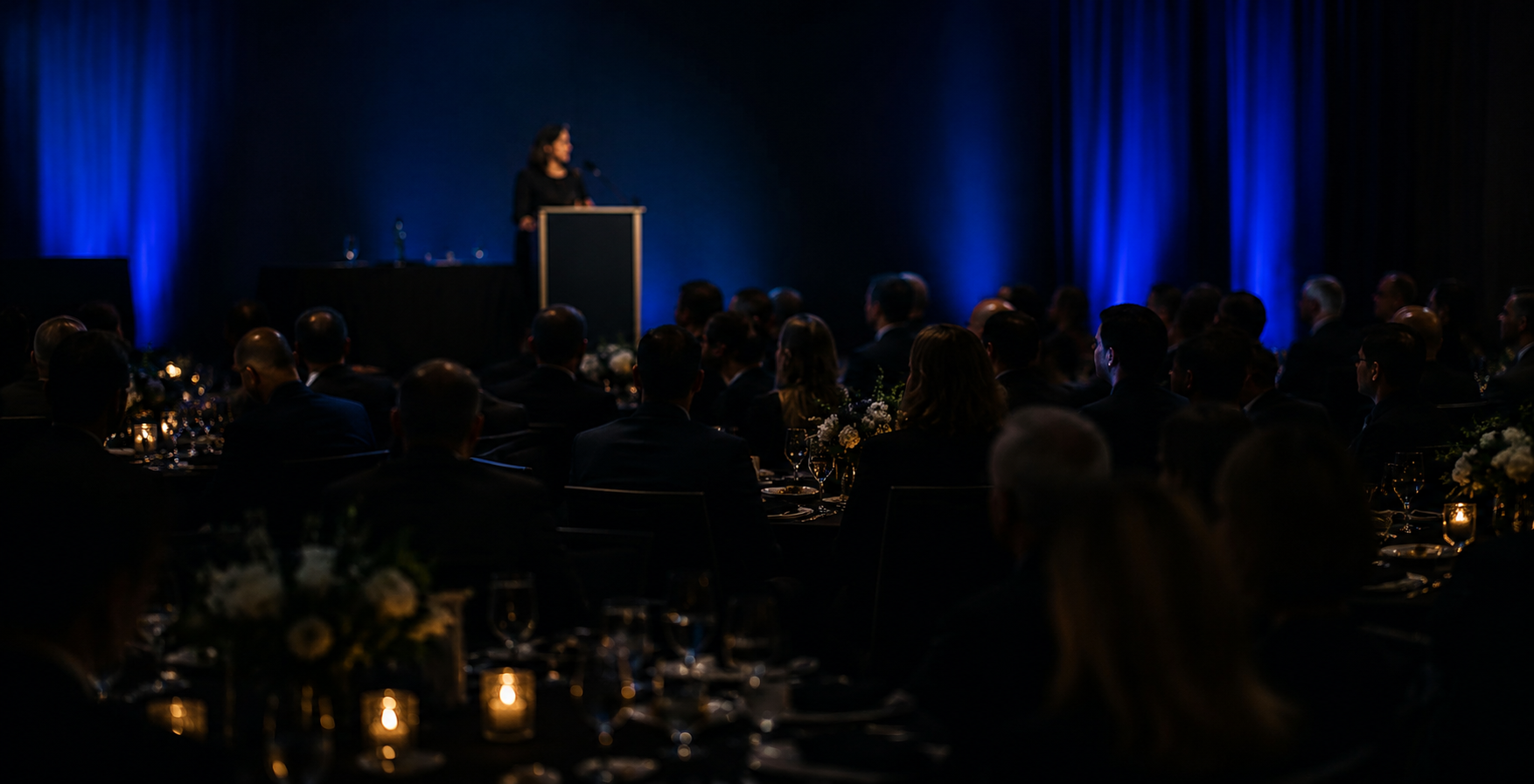
This October, healthcare leaders, humanitarian experts, medical professionals, advocates, and supporters from around the world will come together in Chicago for MedGlobal’s 2026 Annual Conference & Gala.

Taking place October 16–17, 2026, at the Sheraton Grand Chicago Riverwalk, this year’s theme, “Collaboration for Good: Innovation and Impact in Global Health,” reflects a simple reality: the challenges facing global health today cannot be solved by any one organization, sector, or country alone.

Across two days of discussions, expert panels, networking, and shared learning, the Conference will explore some of the most urgent challenges facing healthcare around the world — and, importantly, the solutions that can move us forward.

The two-day program will culminate in MedGlobal’s Annual Gala on the evening of October 17, bringing our community together to celebrate impact and mobilize support for healthcare around the world.

Two Days of Global Health Conversations

Across October 16 and 17, MedGlobal’s Annual Conference will convene experts from medicine, humanitarian response, policy, academia, advocacy, and global health.

Attendees will hear firsthand perspectives from people working across some of the world’s most challenging humanitarian and healthcare environments.

Discussions will explore emergency response, attacks on healthcare, displacement, maternal and newborn health, mental health, innovation, locally led humanitarian action, and what it takes to rebuild and strengthen health systems for the future.

Confirmed speakers include leading voices from humanitarian action, medicine, human rights, and global health, including *Kenneth Roth, Jeremy Konyndyk, Rabih Torbay, Leonard Rubenstein, Dr. Annie Sparrow, Dr. Steve Weine, Dr. John Kahler, Dr. Feroze Sidhwa, Dr. Toni Biskup, and MedGlobal President *Dr. Zaher Sahloul, alongside other experts and practitioners.

Healthcare professionals can also earn 11.5 CME credits, combining professional development with an opportunity to connect with leaders and practitioners from across the global health community.

An Evening Celebrating Impact

Following the Conference on Saturday, October 17, the MedGlobal Annual Gala will bring our community together for an evening of stories, impact, and solidarity.

The Gala goes beyond the numbers to highlight the people at the heart of MedGlobal’s work — from healthcare professionals serving their own communities to patients and families whose lives are changed when quality healthcare becomes accessible.

Last year, more than 1,100 guests joined MedGlobal’s Gala. This year, we look forward to bringing our community together once again to celebrate what has been achieved and help make even more possible.

Collaboration That Creates Lasting Change

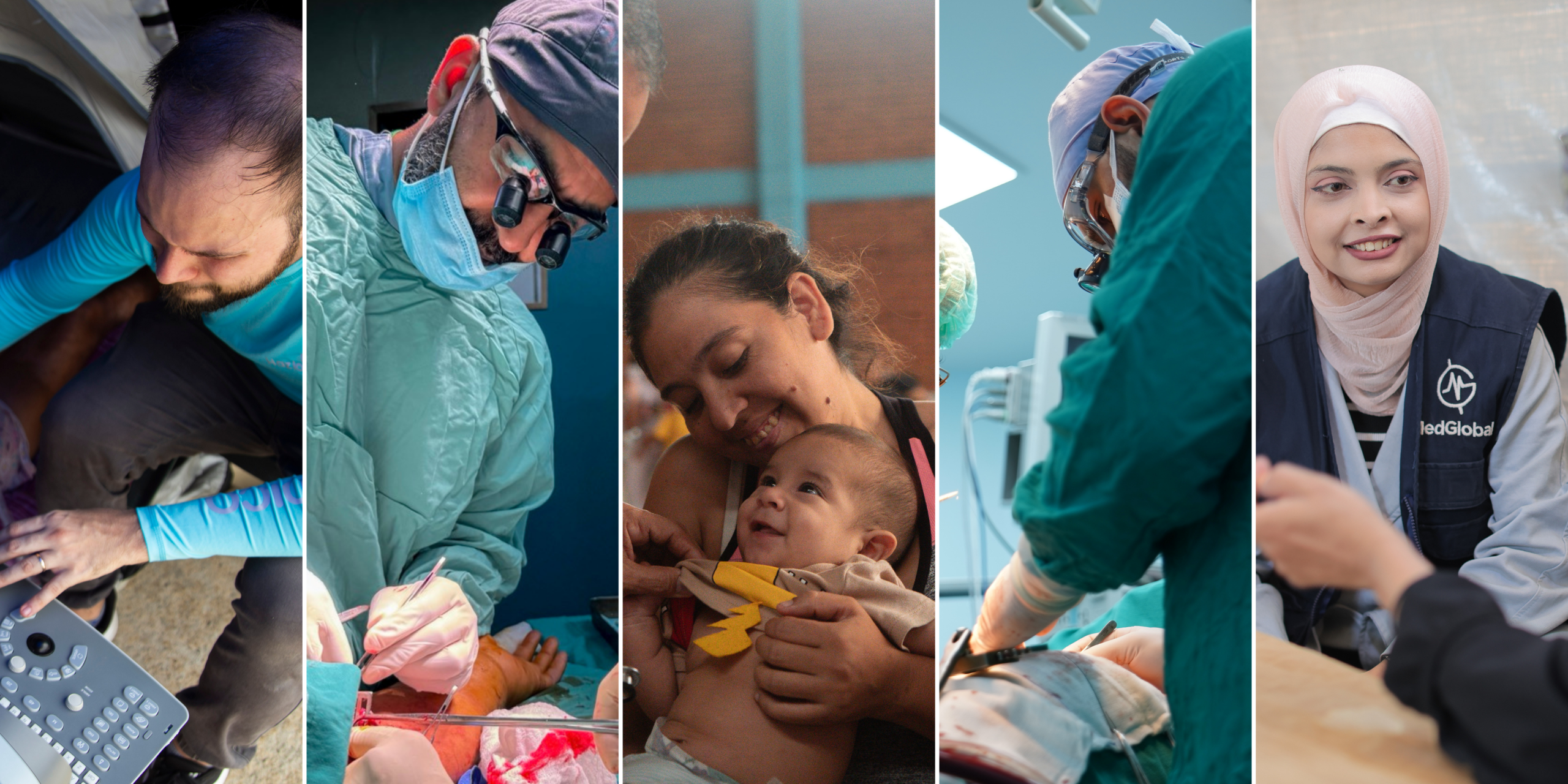
Since 2017, MedGlobal has worked across *33 countries, reaching more than *48 million people through emergency response, healthcare delivery, training, and health systems strengthening.

But lasting impact is never created by one organization alone.

It is created by local doctors, nurses, and health workers who continue serving their communities through extraordinary circumstances. By medical volunteers who share their expertise. By researchers and advocates who push for better solutions. By partners who invest in stronger health systems. And by supporters who make this work possible.

With 95% of MedGlobal’s team locally based, our approach centers on working alongside communities and national health professionals — responding to urgent needs today while strengthening the people and systems that will provide care tomorrow.

That is what Collaboration for Good means.

Be Part of the Conversation

The 2026 MedGlobal Conference & Gala is an opportunity to learn, connect, exchange ideas, build partnerships, and hear directly from those shaping the future of humanitarian and global health.

Whether you are a healthcare professional, humanitarian practitioner, policymaker, researcher, philanthropist, partner, or supporter, we invite you to join us in Chicago.

MedGlobal 2026 Annual Conference
October 16–17, 2026

MedGlobal Annual Gala
Evening of October 17, 2026

Sheraton Grand Chicago Riverwalk | Chicago, Illinois

Join us for two days of collaboration, innovation, and impact — and be part of building a healthier future for communities around the world.

9 years
LatestUpdate

MedGlobal Marks 9 Years of Global Health Impact: 48 Million People Reached

Nine years ago, MedGlobal was founded with a clear vision: a world without disparities in health.

Today, MedGlobal is an international medical humanitarian organization delivering and strengthening healthcare in crisis-affected and underserved communities around the world. Since 2017, we have reached more than 48 million people across 33 countries through emergency response, primary healthcare, maternal and newborn health, mental health, medical training, and health systems strengthening.

As we mark our ninth anniversary, we are celebrating more than a milestone. We are celebrating the healthcare workers, volunteers, partners, supporters, and communities who have made nine years of impact possible — while looking ahead to everything still to come.

What Does MedGlobal Do?

MedGlobal works to ensure people can access quality healthcare regardless of where they are born, where they live, or where they are forced to flee.

Our work spans the full journey from emergency response to recovery and stronger health systems. When disaster or conflict puts lives at immediate risk, we help deliver lifesaving care. But our work does not end when the immediate emergency does.

We work alongside local healthcare professionals and communities to strengthen services, build clinical capacity, train health workers, and invest in healthcare systems designed to last.

Today, our work includes emergency medical response, primary healthcare, maternal and newborn health, mental health, health systems strengthening, medical education and training, healthcare infrastructure, and advocacy.

48 Million+ People Reached Since 2017

Since MedGlobal was founded, our programs have reached more than 48 million people.

Behind that number are millions of individual stories.

A mother receiving safe maternity care. A child being screened and treated for malnutrition. A patient receiving surgery when specialized care would otherwise be out of reach. A family accessing healthcare during displacement. A health worker gaining new skills and using them to care for thousands more people.

Every number represents a person — and every person deserves access to quality healthcare.

Why Locally Led Healthcare Matters

One of the principles at the heart of MedGlobal’s approach is that sustainable healthcare must be built with and led by the people who understand their communities best.

Today, 95% of MedGlobal’s team is locally based.

Local doctors, nurses, midwives, community health workers, and other professionals are not simply part of our programs — they are central to how MedGlobal works.

They understand their communities, languages, healthcare systems, and challenges. Most importantly, they remain long after an emergency leaves the headlines.

By investing in local leadership and clinical capacity, we can help meet urgent needs today while strengthening healthcare for tomorrow.

2,000+ Health Workers. 1,200+ Medical Volunteers.

Healthcare is never delivered by one person alone.

More than 2,000 health workers and team members help power MedGlobal’s work, supported by the people behind every hospital, clinic, mobile medical team, and humanitarian response.

Alongside them, more than 1,200 medical volunteers have contributed their expertise to MedGlobal’s work around the world.

Surgeons, physicians, nurses, anesthetists, specialists, and medical trainers work alongside national colleagues — treating patients, exchanging expertise, introducing new skills and technologies, and helping expand access to specialized care.

It is a model built around partnership rather than replacement.

From Emergency Response to Stronger Health Systems

Nine years of humanitarian healthcare have reinforced one important lesson: saving lives today and building stronger healthcare for tomorrow cannot be separate goals.

A community may urgently need medicines, doctors, or emergency surgery today. Tomorrow, it may need trained midwives, stronger primary healthcare, mental health services, reliable medical equipment, specialist training, or more resilient healthcare infrastructure.

That is why MedGlobal’s work extends beyond responding to individual crises.

Across 33 countries, we have worked with healthcare professionals, communities, institutions, and partners to strengthen the systems people depend on — helping communities move from emergency response toward recovery, resilience, and stronger healthcare.

Nine Years Made Possible by People

Our ninth anniversary belongs to everyone who has made this work possible.

It belongs to the healthcare workers who continue showing up for their communities under extraordinary circumstances.

It belongs to the medical volunteers who share their time and expertise.

It belongs to the partners who believe in strengthening locally led healthcare, the donors and supporters who make our programs possible, and the communities who place their trust in us.

Above all, it belongs to the millions of people whose strength and resilience continue to shape why we do this work.

Thank you.

This work has never been ours alone.

Year Ten Starts Now

Nine years gives us much to celebrate. But it also reminds us of how much remains to be done.

Around the world, millions of people still face barriers to essential healthcare. Conflict, disasters, displacement, and under-resourced health systems continue to put lives at risk. Healthcare workers continue to serve under extraordinary pressure, often without the resources they need.

As MedGlobal enters its tenth year, we remain committed to responding when emergencies happen while investing in what comes after: local healthcare workers, stronger health systems, sustainable solutions, and partnerships that create lasting impact.

Our vision remains the same as it was nine years ago:

A world without disparities in health.

And until everyone, everywhere has access to the healthcare they deserve, our work continues.

Nine years of impact. Year ten starts now.

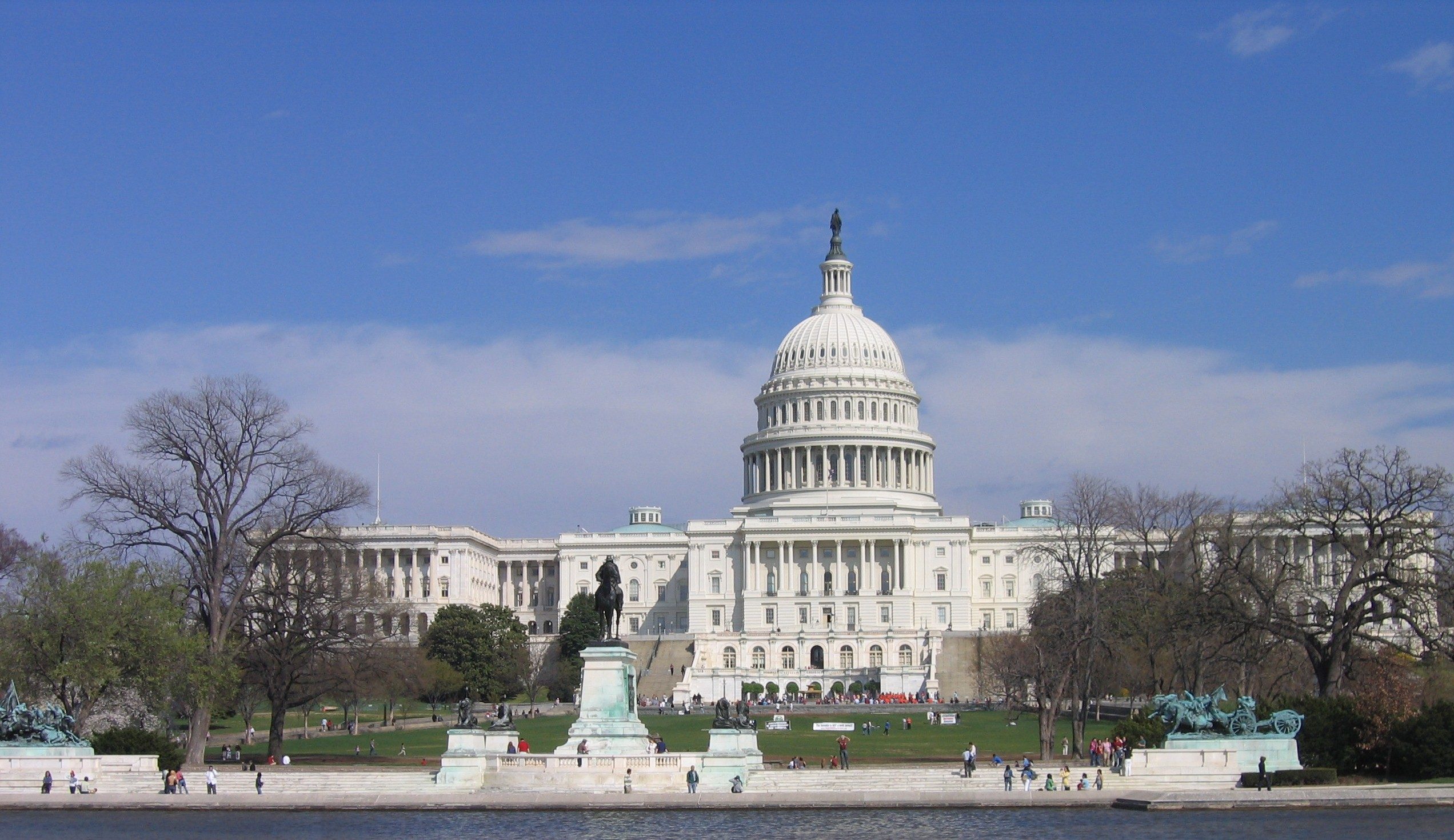
Capitol Hill
SyriaUpdates

Humanitarian Nonprofit MedGlobal to Participate in Capitol Hill Briefing on Syria’s Path Forward

FOR IMMEDIATE RELEASE:
July 21, 2026

MEDIA CONTACT:
Leena Sahloul
[email protected]

Humanitarian Nonprofit MedGlobal to Participate in Capitol Hill Briefing on Syria’s Path Forward
 
WASHINGTON – As Syria navigates a pivotal year following the collapse of the Assad regime, MedGlobal President & CEO Dr. Zaher Sahloul will join a Capitol Hill briefing to share insights from a landmark interfaith humanitarian mission and discuss the country’s prospects for social cohesion and pluralism.
 
The July 22, 2026, briefing—hosted by The Institute for Global Engagement (IGE)—will bring together religious leaders, humanitarian practitioners, and policy voices at a moment when Syria’s new transitional authorities are actively seeking to rebuild national unity after decades of division . Attendees will explore the opportunities and challenges facing Syria’s diverse communities and consider the role interfaith engagement can play in supporting a stable, inclusive future.
 
Dr. Sahloul’s remarks will draw directly from MedGlobal’s recently concluded Humanitarian Faith Initiative delegation—a 19-member interfaith team of Muslim, Christian, and Jewish leaders that traveled to Damascus, Homs, and Aleppo from June 11-19 . During the mission, delegates met with Syrian faith counterparts, visited historic religious sites sacred to all three faiths, engaged with public officials—including the Governor of Rural Damascus—and contributed to ongoing peace-building efforts. 
 
The delegation’s visit comes amid promising signals from Syria’s new government, including a Ministry of Awqaf directive urging religious leaders to promote inclusive discourse and social harmony, and a “Unity of Islamic Discourse” conference that stressed coexistence and state-building . These official efforts align with grassroots interfaith work to rebuild trust across communities scarred by years of conflict and sectarian division.
 
“It is an honor to take part in this critical discussion about Syria’s future,” said Dr. Zaher Sahloul. “Our delegation witnessed firsthand the deep desire among Syrians of all faiths for reconciliation and a shared national identity. Faith-inspired compassion and action will be a critical component of rebuilding Syria—and encouraging different communities to work together will make the complex work ahead more achievable.”
 
Other speakers at the event will include members of the Congress, IGE President Bob Roberts Jr.
 
The briefing will examine how interfaith diplomacy and humanitarian partnerships can help consolidate that hope into lasting stability.


MedGlobal is a humanitarian nonprofit organization that provides emergency response and health programs to build resilience among vulnerable communities around the world. The organization’s health programs support victims of crisis and conflict, refugees, internally displaced persons, and marginalized communities in disaster-affected and low-resource settings.


IMG_2387 copia (1)
NewsReports

Weekly Humanitarian News Digest – January 22

Each week, we highlight the latest news related to the humanitarian and health crises in our countries of operation: Bangladesh/ Myanmar, Colombia/ Venezuela, Gaza/ Palestinan Territories, Greece, Lebanon, Pakistan, Sudan, Syria, and Yemen. For more frequent updates, make sure to follow us on Facebook, Instagram, and Twitter.

Latest News for January 15 – January 22, 2021

Bangladesh/ Myanmar 

Bangladesh plans to restart return efforts for Rohingya refugees in June as part of an agreement with Myanmar.Bangladesh hosts hundreds of thousands of Rohingya who fled violence in Myanmar’s Rakhine state in 2017. Previous repatriation efforts in 2018 and 2019 failed due to fears among refugees of renewed violence and persecution in Myanmar. (Voice of America)


Colombia/ Venezuela 

Colombia will keep its land and river borders closed until March in order to contain the spread of COVID-19. International flights will not be affected and goods will continue to cross the border. More than 1.7 million Venezuelans live in Colombia after fleeing the humanitarian crisis in Venezuela and more are expected to enter once the borders reopen. Colombia has reported 1.8 million cases of COVID-19 and 47,000 deaths. (Reuters)


Gaza/ Palestinian Territories

The Palestinian Authority (PA) announced that it expects to receive 5,000 doses of Russia’s COVID-19 vaccine within a week. The PA plans to purchase a total of 100,000 doses from Russia, which will allow for 50,000 people to be vaccinated. Palestinian health officials have said that health workers, the elderly, and people with chronic conditions will receive the first vaccinations. (Reuters)


Greece

The Greek coastguard rescued 27 migrants and recovered the body of one man from a beach on Lesbos. The surviving migrants are reportedly in good health and are believed to have made the trip by boat from Turkey. The arrival of refugees and migrants to Greece in 2020 fell by 80% compared to 2019. Greece hosts more than 90,000 refugees and migrants, many living in overcrowded camps on its islands. (Reuters)


Lebanon  

Lebanon has extended its 24-hour lockdowns for an additional two weeks in response to the continued rise in COVID-19 cases. The restrictions will remain in place until February 8 and are intended to relieve pressure on hospitals. Lebanon has reported over 250,000 cases of COVID-19. (Reuters)


Pakistan

Pakistan will receive 500,000 free doses of China’s Sinopharm vaccine later this month. An additional 1.1 million doses of the vaccine will arrive by the end of February. The first batch of doses will be used to vaccinate frontline workers. Pakistan has reported more than 527,000 cases of COVID-19 and 11,000 deaths since the pandemic began. (Voice of America)


Sudan

Violence in West Darfur has displaced 50,000 people. At least 83 people have died and 160 were wounded by clashes between local groups. The Darfur region is one of the poorest in Sudan and has limited health services due to a lack of funding and staff for medical facilities. (UN News)


Syria

Thousands of families have been displaced in northwest Syria due to flooding caused by heavy rains. At least one child was killed and an estimated 41,200 people were affected across 169 camps in Aleppo and Idlib. Many of the displaced are without shelter as temperatures continue to drop and snow is forecasted. (Al Jazeera)


Yemen

The U.S. designation of Ansar Allah as a terrorist group went into effect on Tuesday, heightening concerns of famine in Yemen. Special exemptions will exist for aid organizations, food, medicine, and medical devices, but the sanctions are expected to severely cripple the ability of the private sector to import critical supplies. Members of the Biden administration have said they plan on reviewing the designation immediately. (Al Jazeera)

0B3A5941
NewsReports

Weekly Humanitarian News Digest – January 15

Each week, we highlight the latest news related to the humanitarian and health crises in our countries of operation: Bangladesh/ Myanmar, Colombia/ Venezuela, Gaza/ Palestinan Territories, Greece, Lebanon, Pakistan, Sudan, Syria, and Yemen. For more frequent updates, make sure to follow us on Facebook, Instagram, and Twitter.

Cover Image: Middle East Eye/AFP

Latest News for January 8 – January 15, 2021

Bangladesh/ Myanmar 

Bangladesh plans on purchasing 30 million doses of AstraZeneca’s COVID-19 vaccine to begin vaccinations in February. The GAVI vaccine alliance will also provide 68 million doses as part of its mission to increase immunization in poor countries. Health workers will be the first among the country’s 160 million residents to receive vaccinations. The country has reported 523,302 cases of COVID-19 and 7,803 deaths. (Reuters)

A large fire in Cox’s Bazar’s Nayapara camp destroyed 550 shelters, further displacing thousands of Rohingya refugees in the middle of winter. Bangladeshi officials are accessing the damage and are providing food and other supplies to the displaced as they begin to rebuild the shelters. (The New York Times)


Colombia/ Venezuela 

Due to limited access to vaccines, Colombia will not provide COVID-19 vaccinations to unregistered Venezuelan migrants. Of the 1.7 million Venezuelans currently living in Colombia, approximately 900,000 are unregistered. According to Colombia’s President Duque, the government is concerned that Venezuela’s crippled health system will cause thousands of Venezuelans to cross into Colombia if they believe they can receive vaccinations. President Duque has called on the international community to provide vaccines for unregistered migrants in order to help the country achieve herd immunity. (Reuters)


Gaza/ Palestinian Territories

The Palestinian Authority (PA) announced that it expects to begin receiving 2 million doses of AstraZeneca’s COVID-19 vaccine in March. The doses are enough to vaccinate one million out of the five million Palestinians living in the West Bank and Gaza. The PA also expects to receive vaccines from the World Health Organization’s COVAX program for low and middle income countries. (Al Jazeera)


Greece

The Greek government is seeking to return 1,450 migrants currently held in centers on Lesbos and other islands to Turkey. Greece has submitted its request to the European Commission for the immediate return of the migrants whose asylum applications have been rejected. Tens of thousands of asylum seekers remain in camps across Greece where living conditions are often dire. (Reuters)


Lebanon  

According to Lebanon’s Ministry of Health, 525 of the country’s 550 ICU beds are filled as the number of new daily cases continues to grow. Emergency rooms have become overwhelmed and are unable to accept more patients. Some patients in critical condition are forced to remain in emergency departments as they wait for beds to open up. (Aljazeera)

Lebanon has tightened lockdown restrictions with an 11-day, 24-hour curfew in hope of reducing the strain on hospitals. The recent surge in cases is linked to the loosening of restrictions in late December, which included opening bars and nightclubs, as part of the government’s attempt to boost the economy. Hospitals have called on the government to make all 15,000 hospital beds in the country available for treating COVID-19 patients in order to deal with the surge of cases.(Associated Press)


Pakistan

On Monday, Pakistan began a 5-day polio vaccination campaign with the goal of reaching 40 million children. Health workers are frequently the target of violent attacks due to conspiracy theories surrounding vaccines and now face additional challenges due to the spread of COVID-19. (Associated Press)


Sudan

Aid workers in Sudan have confirmed outbreaks of COVID-19 in camps set up for Ethiopian refugees. Um Rakouba camp, which houses 25,000 people, has four reported cases. Camp residents live in crowded conditions with limited ability to social distance. Health workers in the camp have said they lack the necessary PPE, equipment, and other materials to manage the outbreak and treat patients. (Voice of America)


Syria

According to Save the Children, overcrowded camps and limited access to water has allowed COVID-19 to rapidly spread in Northwest Syria. At least four million people are displaced in the Northwest due to ten years of conflict that have devastated the region’s medical system. Many of the area’s health facilities have been damaged or destroyed and lack the capacity to handle the COVID-19 crisis. (Middle East Eye)


Yemen

The UN’s Emergency Relief Coordinator, Mark Lowcock, called on the U.S. to reverse its decision to designate Ansar Allah as a foreign terrorist organization due to humanitarian concerns. According to Lowcock, the designation will have the effect of cutting food imports and pushing the country into famine. An estimated 16 million people in Yemen will go hungry in 2021, including 50,000 people who are currently starving under famine-like conditions. The designation will go into effect on January 19th. (Reuters)

We use cookies

We use cookies to improve your experience on this website. You may choose which types of cookies to allow and change your preferences at any time. Disabling cookies may impact your experience on this website. You can learn more by viewing our Cookie Policy.