 Donate

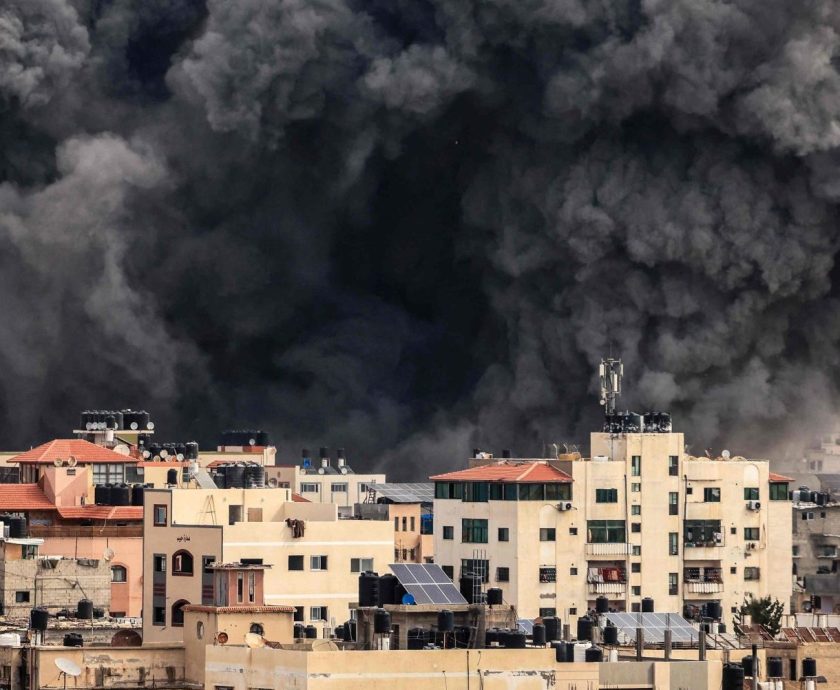
MedGlobal, one of the leading humanitarian organizations providing medical care in Gaza, today welcomed the long-awaited, though very limited, re-opening of the pivotal Rafah crossing between Gaza and Egypt, which had been effectively closed for nearly two years following Israel’s seizure and occupation of Rafah.
If fully implemented, the re-opening of the crossing as currently announced would allow for a limited number of medical evacuations. While this limited re-opening is a welcome first step in the right direction, ultimately the Rafah crossing must be fully opened for unrestricted entry of humanitarian aid, humanitarian personnel and medical evacuations of all civilians in need of treatment abroad. Hundreds of thousands of Palestinians in Gaza continue to suffer from inadequate access to food, medicines and medical care. 18,500 injured and sick patients continue to await evacuation to receive urgently needed medical care outside of Gaza, and they must be given immediate priority to exit safely.
“The closure of the Rafah crossing for nearly two years has been disastrous for Palestinian civilians and the humanitarian community – cutting off one of the most important and effective supply corridors and evacuation routes for the injured,” said Joseph Belliveau, executive director of MedGlobal. “The full re-opening of the crossing could be transformational for the people of Gaza, provided it is not hampered by arbitrary or excessive restrictions. Aid groups, including MedGlobal, have been providing essential care with insufficient supplies, and patients requiring medical evacuation have died waiting for passage.”
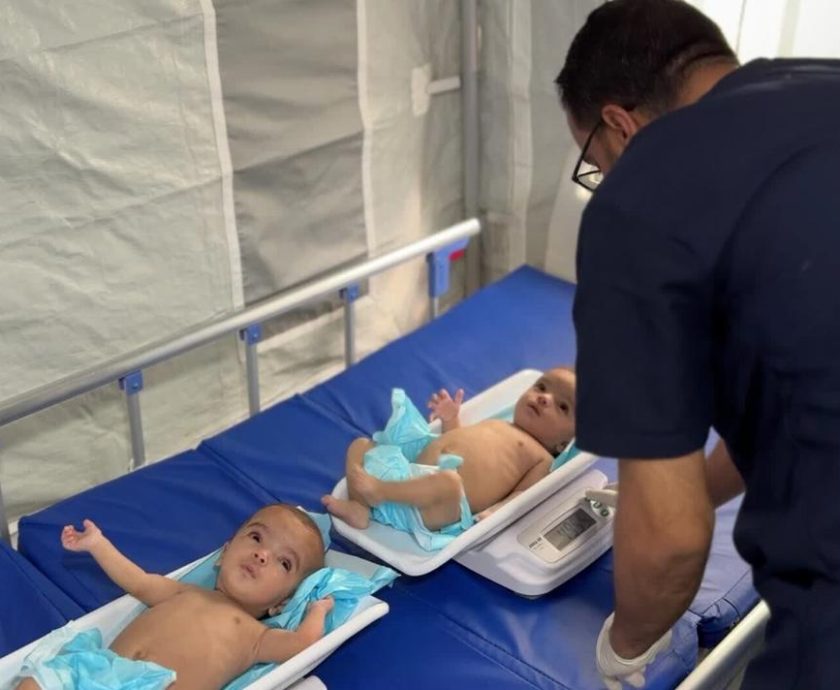
MedGlobal’s teams in Gaza continue to report that humanitarian needs remain dire and that stocks of key medical supplies remain dangerously low or nonexistent – including antiseptic, gauze, antibiotics, and painkillers. These gaps have compromised quality healthcare for too long. During the winter season, MedGlobal staff have documented an increase in upper respiratory tract infections and the spread of diarrheal diseases from flooded latrines. Many families continue to live in tents that offer too little protection against strong winds and cold. Infant deaths have been reported due to extreme exposure and cold. Medical personnel continue to face heavy restrictions on entry and access to Gaza, with many denied entry for no clear reason.
“Even amidst ceasefire, the people of Gaza continue to face tremendous hardships while their healthcare system lies in ruins,” said Dr. Zaher Sahloul, president and co-founder of MedGlobal. “We need every option possible to provide the medical and humanitarian care they need and deserve. MedGlobal urges all responsible authorities to do everything possible to ensure that Rafah becomes the lifeline it can be.”
MedGlobal has operated in Gaza since 2018, and since the start of the conflict the organization has been at the forefront of delivering lifesaving services and nutritional support, supplying essential medical equipment, and training local healthcare workers, while bringing numerous volunteer international healthcare workers into Gaza to assist local teams. The organization’s August 2025 report, “Starved by Siege,” documented how the near-total blockade and obstruction of food into Gaza drove a “man-made crisis” of acute malnutrition, especially among women and children. At the time, MedGlobal’s data assessment found that 16.8% of children under five in Gaza were experiencing acute malnutrition.
MedGlobal is a humanitarian nonprofit organization that provides emergency response and health programs to build resilience among vulnerable communities around the world. The organization’s health programs support victims of crisis and conflict, refugees, internally displaced persons, and marginalized communities in disaster-affected and low-resource settings.