
 Donate
Sudan Emergency
Notice: Test mode is enabled. While in test mode no live donations are processed.
Right now, Sudan is facing one of the worst humanitarian crises in the world.
More than 10 million people have been forced from their homes by relentless conflict, famine, and floods. The nation’s health system has nearly collapsed—70% of hospitals are out of service, and lifesaving medicines are running out fast.
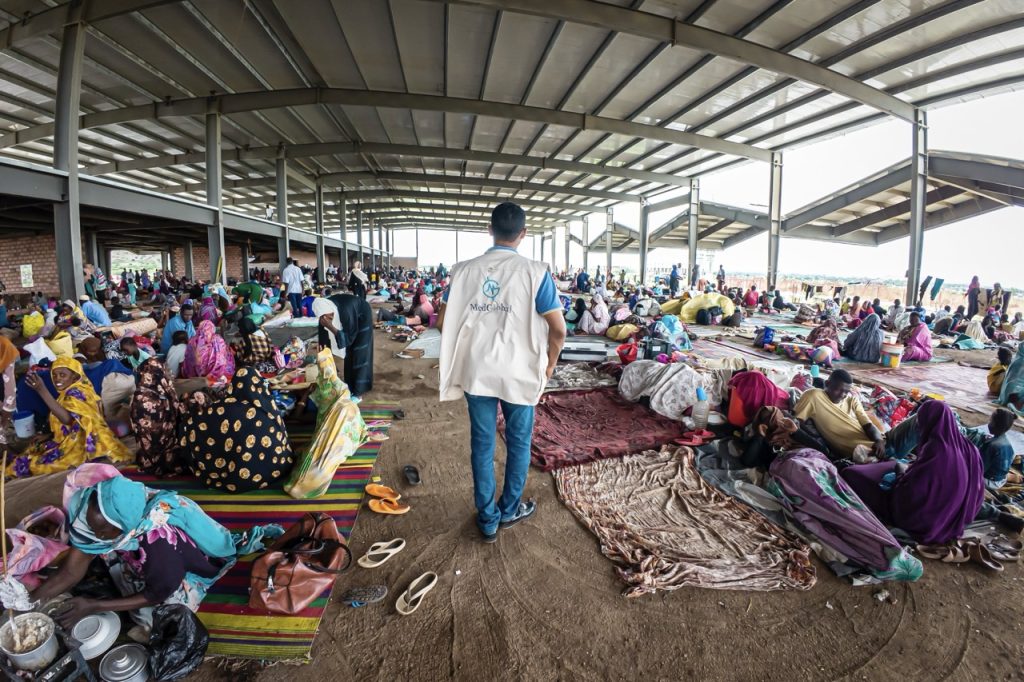
In El Fasher, once the last refuge in Darfur, entire communities have been destroyed. Families who fled violence now face hunger, disease, and despair—with nowhere left to turn for help.
Since April 2023, over 150,000 people have been killed, and 30 million are struggling to survive. Children are dying from treatable illnesses. Mothers are giving birth with no medical care. The spread of cholera, malaria, and malnutrition threatens to claim thousands more lives.
This is not just one emergency— It’s a catastrophe of hunger, disease, and displacement. But there is still hope.
MedGlobal Is There
On the ground, saving lives.
In 2025 alone, MedGlobal supported 88 health facilities and delivered care to more than 173,000 people, including maternal health services, surgeries, dialysis, vaccinations, nutrition treatment, and emergency response. We established Northern State’s only cholera treatment center, expanded primary healthcare for hundreds of thousands of people, and continue operating 56 primary health centers, four mobile clinics, and a team of more than 100 staff dedicated to saving lives every day. But the needs continue to grow—and your support is critical to ensure families in Sudan can access the care they desperately need.
Watch Video
How Your Support Can Save Lives
- Emergency medical care for displaced families
- Maternal and newborn healthcare services
- Treatment for malnutrition and childhood illnesses
- Essential medicines and lifesaving medical supplies
- Clean water, sanitation, and hygiene services
- Hospital equipment and frontline healthcare worker support
- Cholera response, disease prevention, and outbreak preparedness