
 Donate


Category: Yemen
Yemen: Medical Oxygen Crisis Amid COVID-19 Second Wave
Since late February, there has been a sharp increase in COVID-19 cases in Yemen. As of April 4, there have been 4,701 confirmed cases in Yemen – though this is undoubtedly a drastic underestimate of the real number. Out of the total confirmed cases, 54% of the total have been reported in the last six weeks, since February 22. The true number of people with COVID-19 in the country is impossible to determine due to limited testing, lack of access to health care, stigma, and complete lack of documentation in northern Yemen, all significantly hindering response efforts. This steep rise in COVID-19 comes as impending famine threatens to push the humanitarian and health crises in Yemen over the edge.
With COVID-19 patients overwhelming hospitals, Yemen is now experiencing a medical oxygen crisis. On March 19, Yemen’s Health and Population Minister warned that the intensive care units of quarantine centers had reached capacity and had run out of oxygen cylinders and intensive care equipment. A health emergency has been declared in response to the second wave surge of new cases. MedGlobal’s Yemen Program Manager, Dr. Mohammed Abass, said:
“The situation is really getting worse every day with the increasing number of cases of COVID and the death rate, especially in Aden and Taiz. Fears are increasing that the second wave of the pandemic will be more severe than the first wave. There are expectations that the number of cases will rise, especially with the beginning of the month of Ramadan coming soon, when it is custom or tradition to have frequent visits. There will be an even greater need for medical oxygen.”
Only half of Yemen’s healthcare facilities are fully functional, and nearly all lack basic supplies to sufficiently treat patients. Six years of conflict, economic collapse, and the destruction of health infrastructure has left Yemen struggling to manage multiple epidemics. Acute malnutrition threatens over half of children under five in Yemen, many who are at risk of dying if they do not receive immediate treatment. At the same time, reductions in humanitarian funding have led to a roll back in humanitarian aid programs in Yemen, which included cutting oxygen shipments to health facilities. In response to growing needs, MedGlobal provided 139 oxygen cylinders to several health facilities across Yemen in 2020 and plans to scale up this work in 2021. Many of the 25 health facilities MedGlobal has supported in Yemen face enormous barriers to accessing medical supplies, and face chronic shortages of equipment, medication, and medical oxygen. Oxygen is a critical part of the emergency response to COVID-19.
Around the world, the COVID-19 pandemic has placed immense pressure on health systems. Access to medical oxygen has become a global concern as demand has spiked. Roughly one in five people suffering from COVID-19 require oxygen therapy, including more than 500,000 patients in low- and middle-income countries (LMIC). However, half of all hospitals in LMICs lack reliable access to medical oxygen.
While Yemen’s efforts to contain the spread of COVID-19 has been bolstered by the arrival of its first batch of 360,000 doses of vaccines through the COVAX program, the health system will continue to struggle to manage the crisis. The 1.9 million doses that Yemen expects to receive by the end of 2021 are a fraction of what it needs to vaccinate its population of 30 million. Unless support is dramatically increased for emergency and long-term phases, the broader health crises will continue to affect the population – from acute malnutrition to a maternal mortality crisis. Without consistent access to basic health care – such as reliable, long-term access to medical oxygen, to literally help those in need breathe – the outlook is bleak.
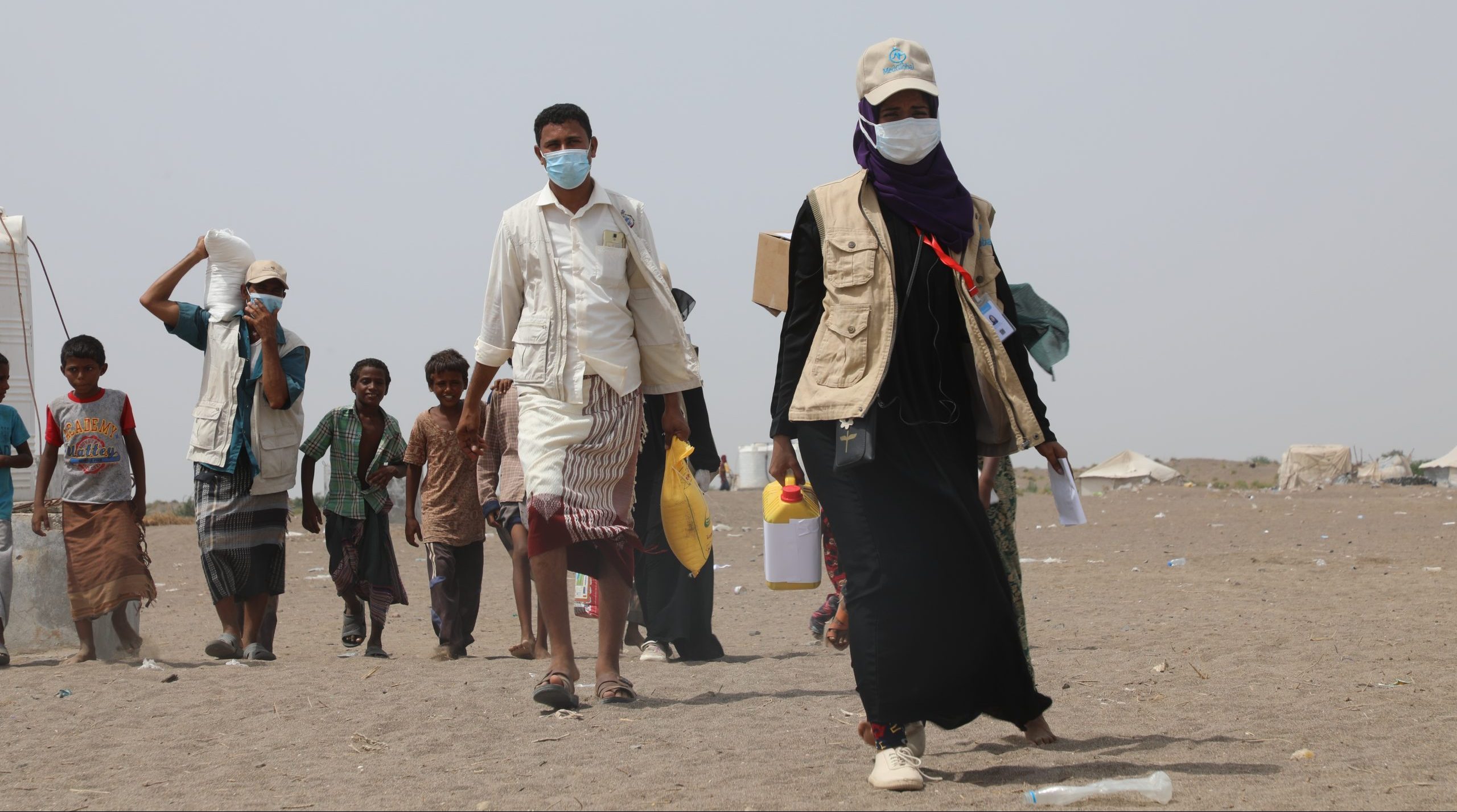
Q&A with MedGlobal’s Yemen Program Manager on Health Crises & Famine
The humanitarian situation in Yemen is dire, with 80% of the population in need of humanitarian assistance and the country on the brink of famine. At the same time, humanitarian funding commitments have been decreasing by global donors. MedGlobal has worked in Yemen since 2017, providing health and nutrition support to hospitals and communities in the most hard-to-reach areas. Our Yemen Program Manager, Dr. Mohammed Abass, recently answered questions about the humanitarian crisis in Yemen.
1) How would you describe the current humanitarian situation in Yemen?
Yemen is truly experiencing one of the largest humanitarian crises in the world. The vast majority of people are in desperate need of humanitarian assistance. The hunger crisis is worsening all of the time. Our country is now headed into a large-scale famine.
Many Yemenis are dealing with daily threats to their security, and many have faced protracted displacement and are unable to access basic services. Six years of fighting and violence has collapsed Yemen’s economy and destroyed housing and infrastructure serving millions of people. Over the past 18 months, flooding has devastated communities in the south and contributed to the spread of diseases, including cholera, dengue, malaria, and diphtheria. COVID-19 has of course made everything worse. When COVID-19 was first detected last March, all of Yemen’s other crises made it impossible to focus on containing or managing the spread. No one knows how many people have had the virus or how many have died.
More than half of health facilities have been damaged by the conflict or lack the staff, medical supplies, or fuel to function. Challenges to importing supplies mean that many health facilities lack basic things like masks and gloves. Supplies that we need for treating COVID-19 patients, like oxygen, are even harder to get. And many health workers are working without being paid.
2) Yemen has been on the brink of famine for several years. What is different about the situation now?
Yemen’s economy collapsed since the conflict began. Most Yemenis are hungry and unable to secure food for themselves. A third of the population has barely enough income to buy food, and even small rises in prices can prevent families from being able to buy food for weeks or months. The few companies that supply our markets are dealing with restrictions on imports and taxation. Importing food into northern Yemen is even harder due to air and sea blockades.
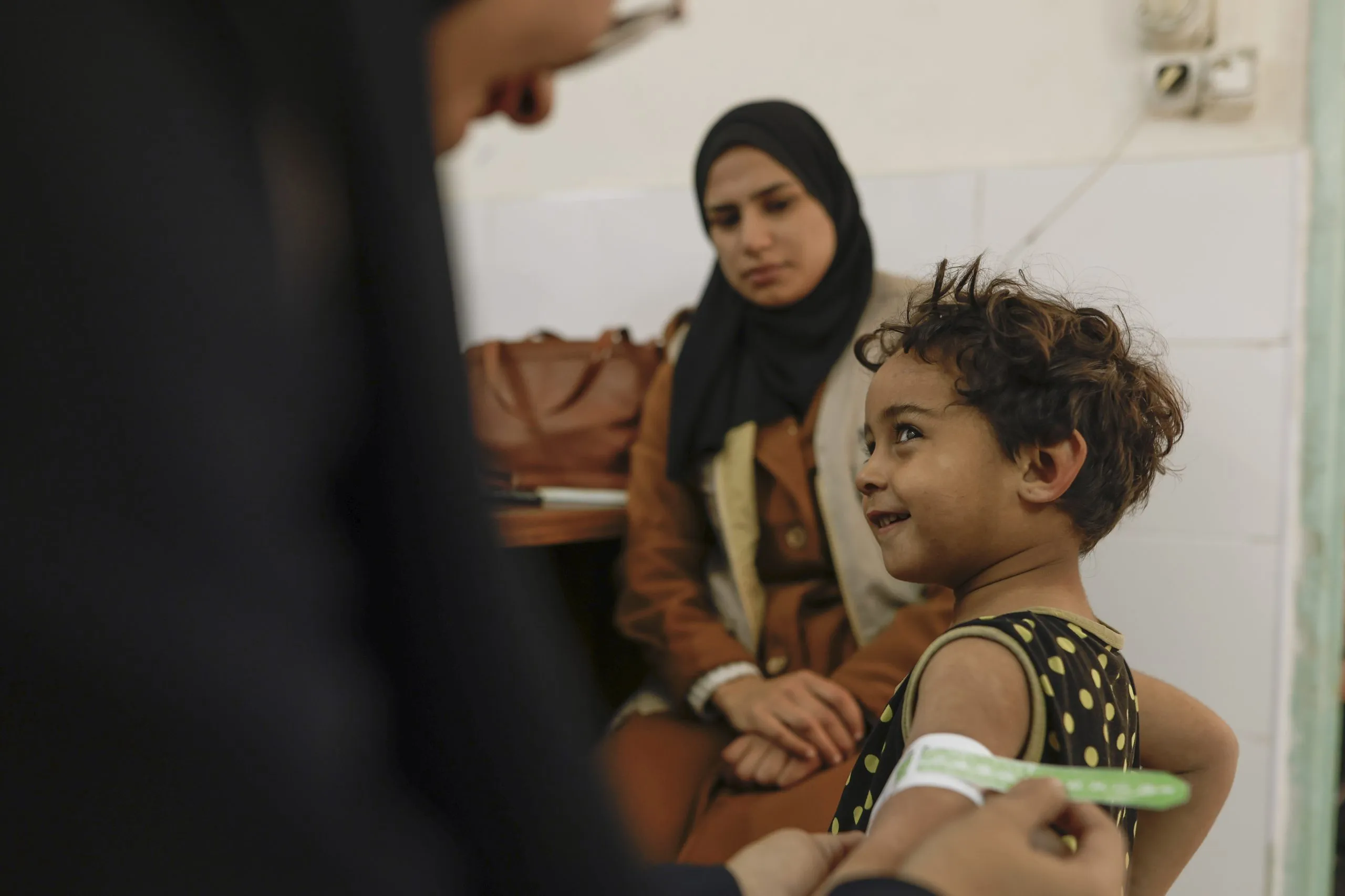
The cuts to humanitarian funding have also led to reductions in food assistance by humanitarian organizations. In the spring of 2020, there were big cuts to emergency food aid going to millions of people in the north. Monthly rations to families have been stretched to a single delivery every two months. These are just a few of the factors contributing to an increase in malnutrition and starvation, especially for children. A quarter of the population in Yemen, including more than two million children and one million pregnant and lactating women, are suffering from malnutrition.
3) How are ordinary Yemenis dealing with the multiple health crises? Are certain needs prioritized over others?
The hunger and malnutrition crisis is getting worse day by day. Yemeni families are right now depending on meagre humanitarian assistance to supplement income from a few working family members or from a small business. Families in rural and hard-to-reach communities are often entirely dependent on humanitarian support and some agriculture. People are just trying to get by.
Other health issues are also causing crises. Three years ago, Yemen experienced the worst cholera outbreak in modern history. For the last three years, cholera prevention and control services have taken priority. Of course, the outbreak of COVID-19 worsened the situation for many Yemenis. But major public health interventions receive limited focus.
4) What are some of the biggest needs in your opinion?
Some of the greatest needs we see at the moment include:
- Food assistance and unconditional cash grants for families who are displaced. Support for those facing hunger and famine is critical for their survival.
- Nutrition support, especially for young babies. We need to reduce acute malnutrition among highly vulnerable populations.
- Water sanitation and hygiene (WASH) interventions to prevent future outbreaks of water-borne diseases.
- Maternal and child health care. This is lacking across Yemen.
- Strengthening health systems and infrastructure, especially through providing training and motivation for health workers especially in rural and hard-to-reach communities.