Seven Organizations Launch Global Coalition for Sudan at MedGlobal Chicago Conference
FOR IMMEDIATE RELEASE October 18, 2026
Seven Organizations Launch Global Coalition for Sudan at MedGlobal Chicago Conference
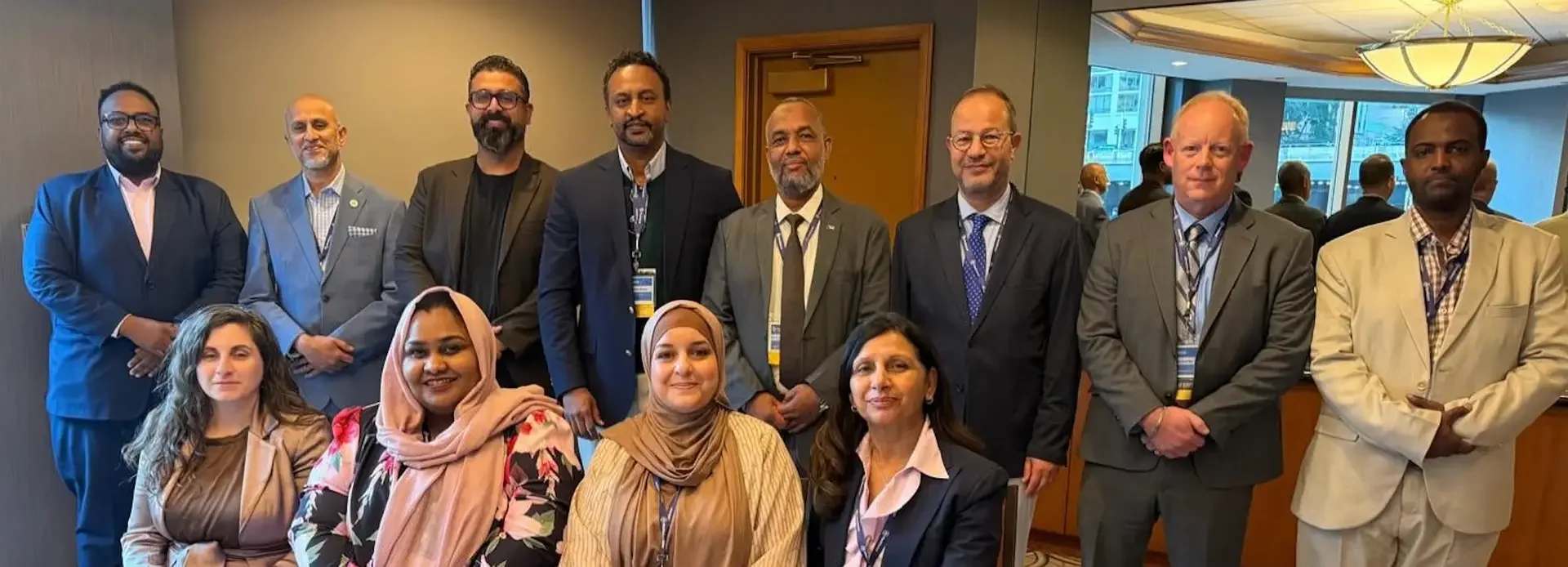
CHICAGO — Seven humanitarian and faith-based organizations launched the Global Coalition for Sudan this weekend during MedGlobal’s “Collaboration for Good: Impact and Innovation in Global Health” conference, creating a coordinated platform for NGOs responding to what organizers describe as the world’s worst humanitarian crisis.The founding organizations — MedGlobal, SAPA (Sudanese American Physicians Association), Humaniti, MedSudan, Africa Relief, the Multi-Faith Neighbors Network, and GlocalNet — announced the coalition in the presence of Sudan’s Minister of Health, Professor Haitham Mohamed Ibrahim, and his delegation.
“The coalition is open to all non-governmental organizations that wish to coordinate their work in support of humanitarian response and recovery in Sudan. Organizers aim to grow the coalition to more than 50 organizations within a year, working alongside Sudanese authorities.”Sudan is the worst humanitarian crisis on Earth right now, and the least reported,” said Dr. Zaher Sahloul, President and CEO of MedGlobal. “No single organization can answer a crisis of this scale alone.”
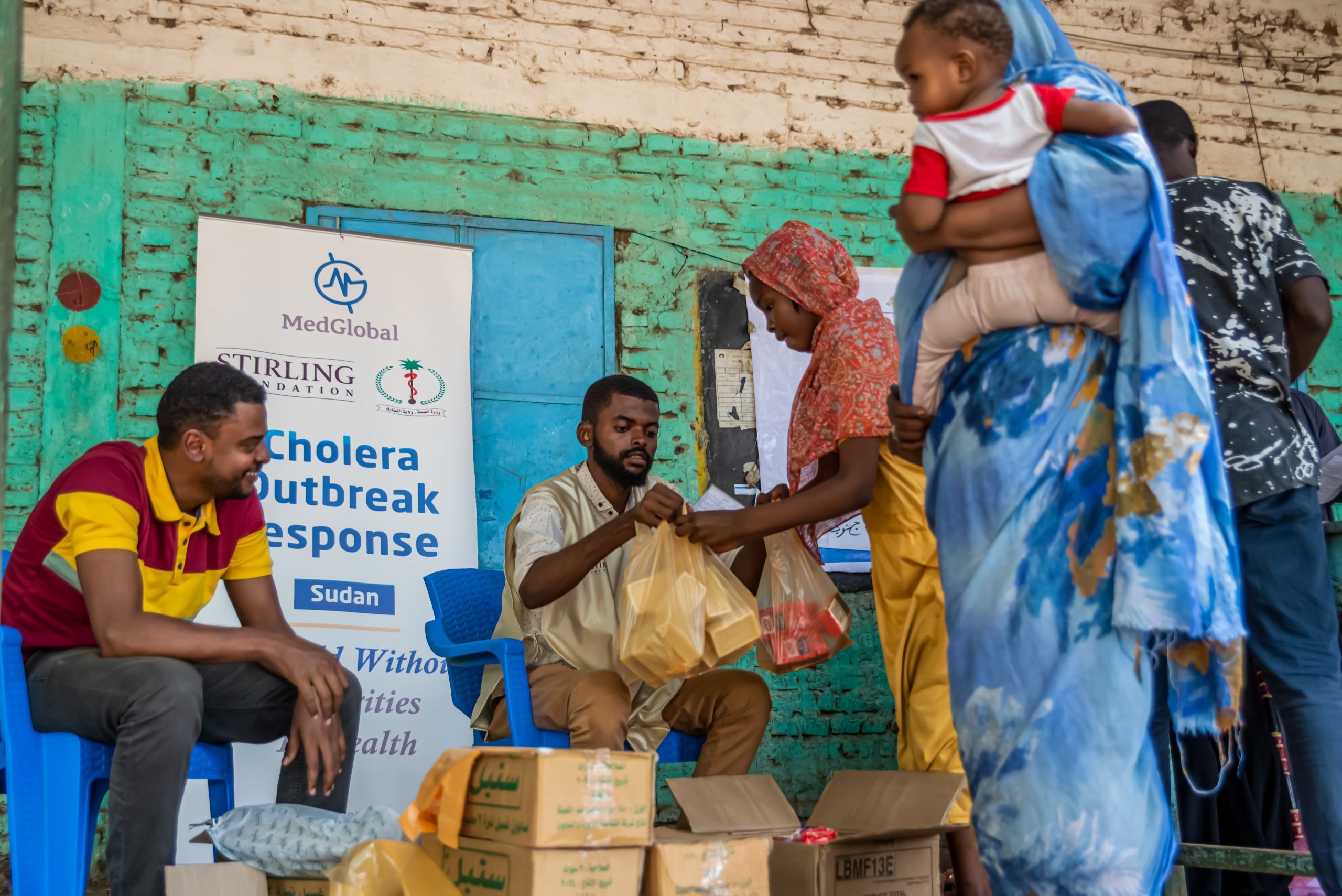
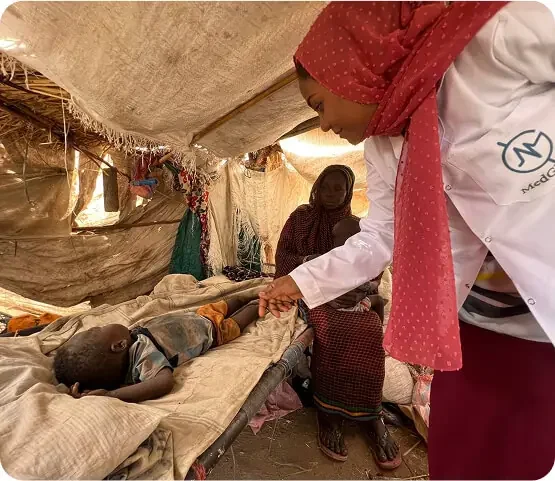
This coalition means shared information, coordinated programs, and a stronger voice for the people of Sudan.”said Professor Haitham Mohamed Ibrahim, Sudan’s Minister of Health. MedGlobal’s Sudan teams have delivered a quarter of a million primary health care services, including clinics for displaced communities, rehabilitated hospitals, nutrition programs, and clean water initiatives.
About MedGlobal
MedGlobal is an Illinois-based international healthcare NGO responding to natural and man-made disasters from Colombia and Venezuela to Ukraine, Syria, Sudan, and beyond.
Media contact: Leena Sahloul, Communication Director | [email protected] | +44 7309 227116Type your paragraph here
As people return to Khartoum and communities begin to rebuild after years of conflict, a 14-day Resiliency Medical Mission brought specialist care, hands-on training and mentorship alongside Sudanese healthcare professionals navigating the long work of recovery.
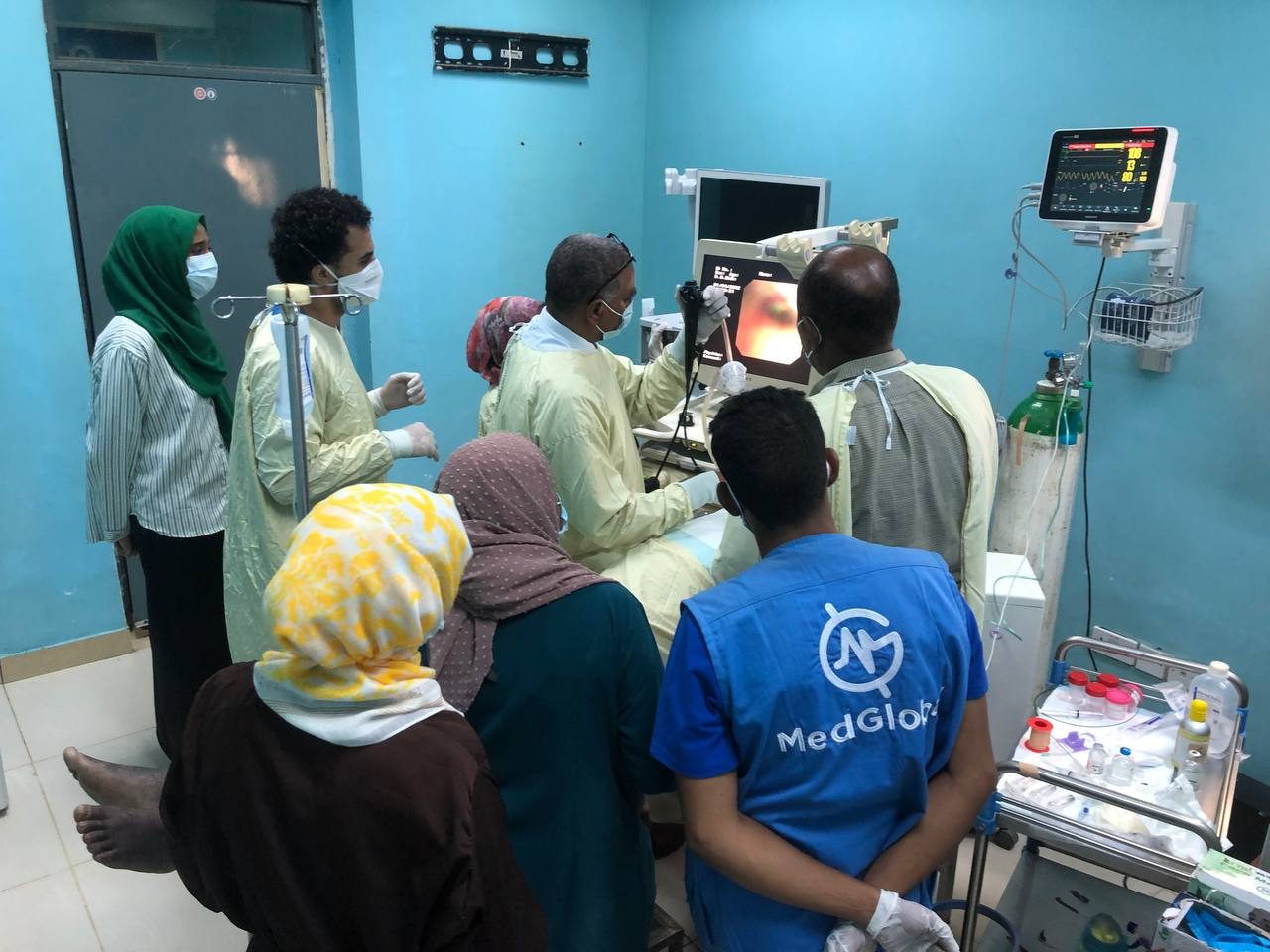
Around a table at Bashair University Hospital in Khartoum, physicians gathered for a hands-on session on chest tube insertion.
Dr. Es-Haq S. Hassanin, a pulmonary and critical care fellow, covered different approaches to chest tube insertion and gave participants hands-on experience with the procedure.
The session was part of a broader training program delivered during MedGlobal’s Resiliency Medical Mission in Khartoum in July 2026. Across the mission, 10 educational sessions and workshops recorded 311 attendances, covering areas including emergency care, pediatrics, diagnostic imaging, point-of-care ultrasound, chest tube insertion, hand surgery and burn management.
“There is a really big need for training the future physicians and current physicians who are in training,” Hassanin said.
A health system restoring services
Bashair University Hospital serves communities in southern Khartoum and is providing care in a health system affected by years of conflict, including disruption to services, damage to infrastructure and equipment, and the loss of experienced healthcare professionals.
For Dr. Aman Alawad, MedGlobal’s Sudan Country Director, one of the clearest measures of recovery is the return of the people who make those services possible.
“The most encouraging signs of recovery are the healthcare workforce returning to duty in Khartoum, alongside the revival of medical internship programs and educational training.”
Dr. Aman Alawad MedGlobal Sudan Country Director
Care delivered alongside local teams
Four U.S.-based volunteer physicians brought complementary specialties to the mission: Dr. Myles M. Dickason in emergency medicine, Dr. Es-Haq S. Hassanin in internal medicine with pulmonary and critical care expertise, Dr. Mir Ali in pediatrics, and Dr. Syed Sayeed in plastic and reconstructive surgery.
Across the 14-day mission, the team recorded 225 documented patient encounters across outpatient, emergency and inpatient settings.
In emergency medicine, Dickason combined direct patient care with an assessment of emergency department operations, identifying opportunities to strengthen how patients are assessed, treated and referred within the existing system. He worked with clinical staff, participated in ward rounds and contributed to training on vital signs, triage and sepsis recognition.
Ali worked across outpatient, emergency and inpatient pediatric care. He participated in regular ward and discharge rounds alongside local physicians, working within the hospital’s existing clinical and teaching structures. Pediatrics accounted for the largest share of the mission’s documented clinical activity, with 110 patient encounters.
Hassanin provided internal medicine and pulmonary care across ward, emergency and outpatient settings. His training sessions included thoracic imaging, point-of-care chest ultrasound and chest tube insertion.
Sayeed worked alongside local surgical teams in trauma care, emergency procedures and operations. His work also extended to Omdurman Hospital, where he supervised operations while providing hands-on teaching and case-based discussion with resident surgeons.
Restoring services involves more than reopening hospital doors. Alongside their clinical work, the four specialists met with hospital leadership and clinical staff on challenges ranging from emergency care and patient flow to infection prevention and workforce capacity.
Capacity that remains
The clinical work and teaching ran together across the two weeks, with sessions addressing needs in the same departments where the specialists were treating patients.
“We were able to get their hands-on experience and now they’ll be ready to hopefully put chest tubes in the future in case the need arises.”
Dr. Es-Haq S. Hassanin MedGlobal Volunteer Physician
The mission also created opportunities for mentorship beyond individual clinical skills. Alawad said the RMM provided healthcare professionals with “critical mentorship, motivation for professional development, and clarity on career pathways.”
That emphasis carried into a one-day medical conference convened by MedGlobal with Bashair University Hospital and Al Neelain University. Seventy participants attended, including medical students, medical officers, residents and specialists.
Members of the visiting team presented cases alongside house officers, bringing the clinical and educational sides of the mission together. Participants discussed cases encountered during the mission, approaches to care and some of the broader challenges facing the health system. The program also included career guidance and engagement with hospital and university leadership.
The co-presentation format placed junior Sudanese clinicians not only in the audience, but alongside visiting specialists in presenting and discussing the work.
MedGlobal has worked in Sudan since 2019, supporting health facilities and healthcare professionals as they respond to immediate needs while strengthening services over the longer term. Resiliency Medical Missions are one part of that work, connecting volunteer specialists with local counterparts for clinical care, training and technical collaboration.
Fourteen days did not rebuild Khartoum’s health system. What the mission offered was specialist support for a short period, and training that stays with the physicians who took part.
The Sudanese healthcare professionals working alongside the visiting specialists were caring for patients before they arrived and continued after they left. That continuity was central to the RMM’s approach.
MEDIA CONTACT: Prapti Ajmera, West End Strategy Team [email protected] | 202-867-5231
1,000 Days of Conflict in Sudan: MedGlobal Warns of Deepening Crisis
Today marks 1000 days since the start of the conflict in Sudan between the Sudanese Armed Forces and the Rapid Support Forces, which has created the world’s largest humanitarian crisis. MedGlobal, one of the leading humanitarian aid organizations providing direct medical services in Sudan since 2019, remains deeply alarmed by the devastating impact on millions of civilians.
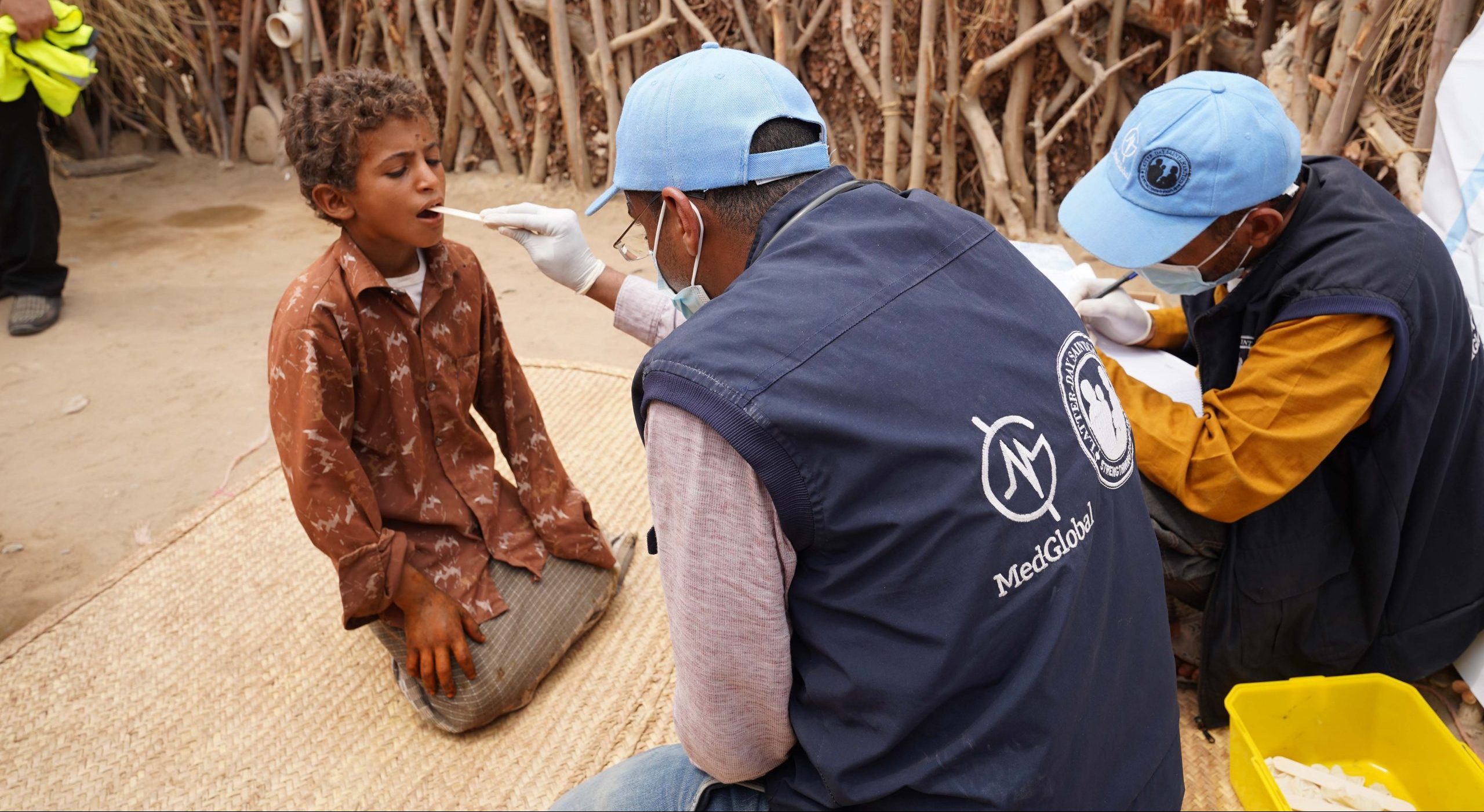
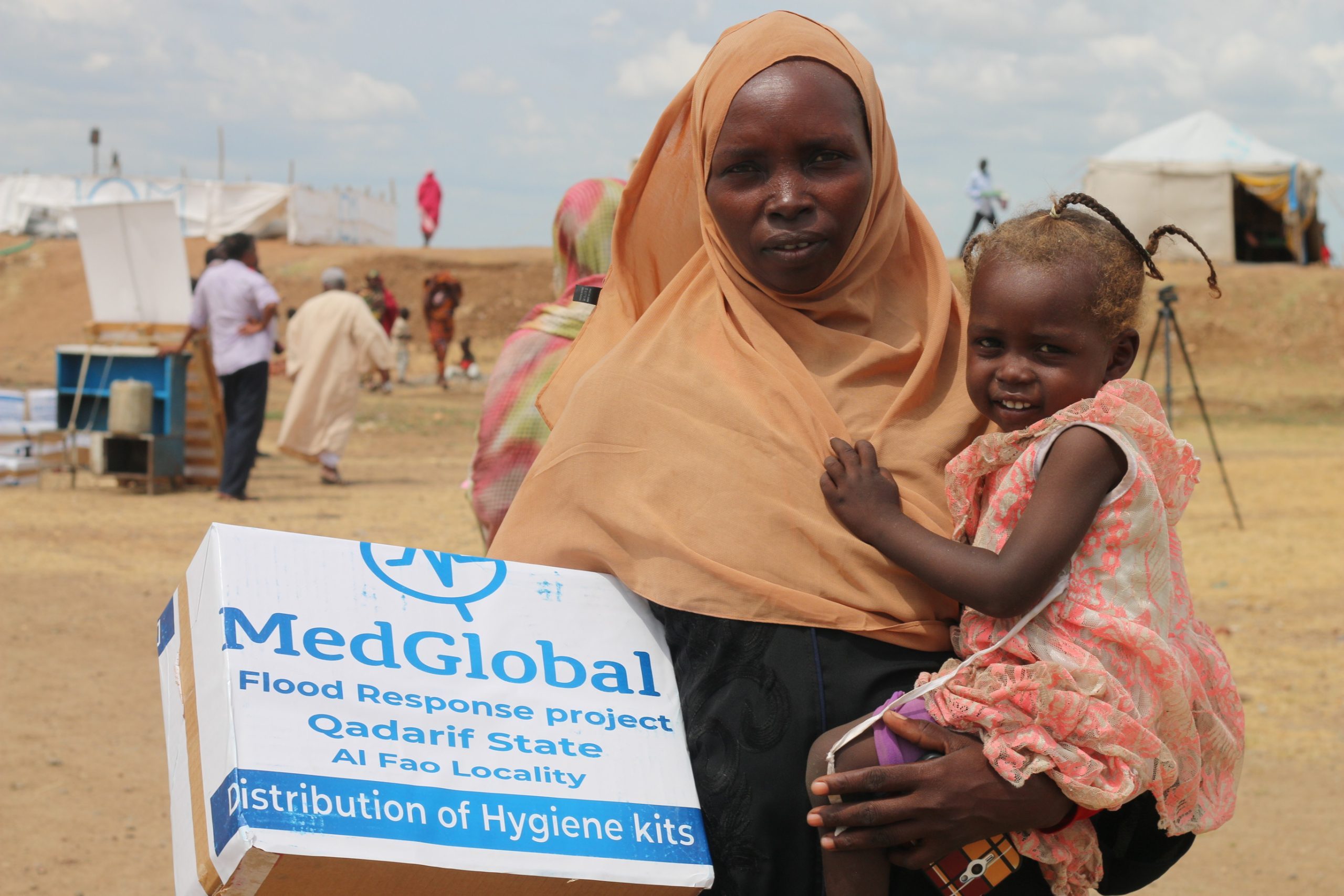
Over these years of war and displacement, MedGlobal’s Sudan team has helped to support 86 health facilities, while training over 1,000 Sudanese health workers. These facilities include Wadi Halfa hospital, one of the main hospitals serving IDPs in Northern state; a maternity and pediatric hospital in Umm Durman that remained open amidst the clashes; primary health care centers in Al Jazirah state; a newly constructed and equipped health center in the IDP camp in Al Fao, and a busy health center in the biggest refugee camp along the Ethiopian border.
Sudan has become one of the world’s deadliest environments for humanitarian personnel, with over 90 aid workers killed since the conflict began in April 2023. MedGlobal has seen over 40 of its health workers attacked and multiple health facilities shelled.
“MedGlobal’s team and their fellow healthcare workers throughout Sudan are delivering health services in unacceptably dangerous circumstances, with incredible bravery and determination,” said Joseph Belliveau, executive director of MedGlobal. “A health worker should not have to be exceptionally brave just to show up to work and provide healthcare; parties to the conflict and those with political influence need to put an end to attacks on health workers. They are the backbone of Sudanese society and all sides should respect the essential work they do.”
In October, MedGlobal released a report, Surviving the Siege: Voices from El Fasher, which featured direct testimonies and data from displaced Sudanese who escaped the 500+ day siege of El Fasher, Darfur. In the report, MedGlobal’s team on the ground interviewing displaced people in Northern State documented pervasive violence, severe shortages of food and water, critical levels of malnutrition, and widespread destruction of homes and health infrastructure.
In late 2025, MedGlobal led a volunteer mission of U.S. and international doctors to Sudan’s Al Affad refugee camp, including Dr. Chandra Hassan, MedGlobal board member and Director of Bariatric Surgery at the University of Illinois Chicago.
“Everyone we saw in the camp has endured horrors – and these are the lucky ones who made it out of the conflict zone alive,” said Dr. Hassan. “Malnutrition is catastrophic, and the hospital treating these people requires more of everything – medicines, surgical supplies, ambulances and personnel. The world cannot look away from what’s happening in Sudan – much more aid and funding is needed to save lives, and more leadership is needed to finally stop the disaster.”
MedGlobal is determined to continue and expand its efforts to aid Sudanese in need and further support the heroic efforts of the medical professionals holding up the Sudanese health system. It calls on parties to the conflict and international actors with influence to work to end the violence, and to respect the cornerstone principle of international humanitarian law (IHL): the protection of civilians in armed conflict.
About MedGlobal
MedGlobal is a U.S.-based nonprofit organization providing emergency humanitarian aid and health system strengthening in conflict and disaster-affected regions around the world.
We use cookies to improve your experience on this website. You may choose which types of cookies to allow and change your preferences at any time. Disabling cookies may impact your experience on this website. You can learn more by viewing our Cookie Policy.
 Donate