
logotype

Contacts

Registered Address:

MedGlobal,
10604 Southwest Highway, Suite 107
Chicago Ridge, IL 60415 USA

Checks:

MedGlobal,
1801 Hicks Road, Suite D,
Rolling Meadows, IL 60008

Zelle:

MedGlobal Inc
[email protected]

Copyright 2026  MedGlobal

Category: News

d7c259db-7b0f-4cfb-b7fc-2cca98a3b077
GazaNewsPress

Amid a Spike of Severe Malnutrition in Gaza, 1/5 of Gaza Hospitals Attacked In Past Week 

FOR IMMEDIATE RELEASE 
May 21, 2025 

MEDIA CONTACT: 
Logan Bayroff, West End Strategy Team 
[email protected] | 516-965-5159 

Amid a Spike of Severe Malnutrition in Gaza, 1/5 of Gaza Hospitals Attacked In Past Week 

Kamal Adwan hospital the latest to be put out of service  

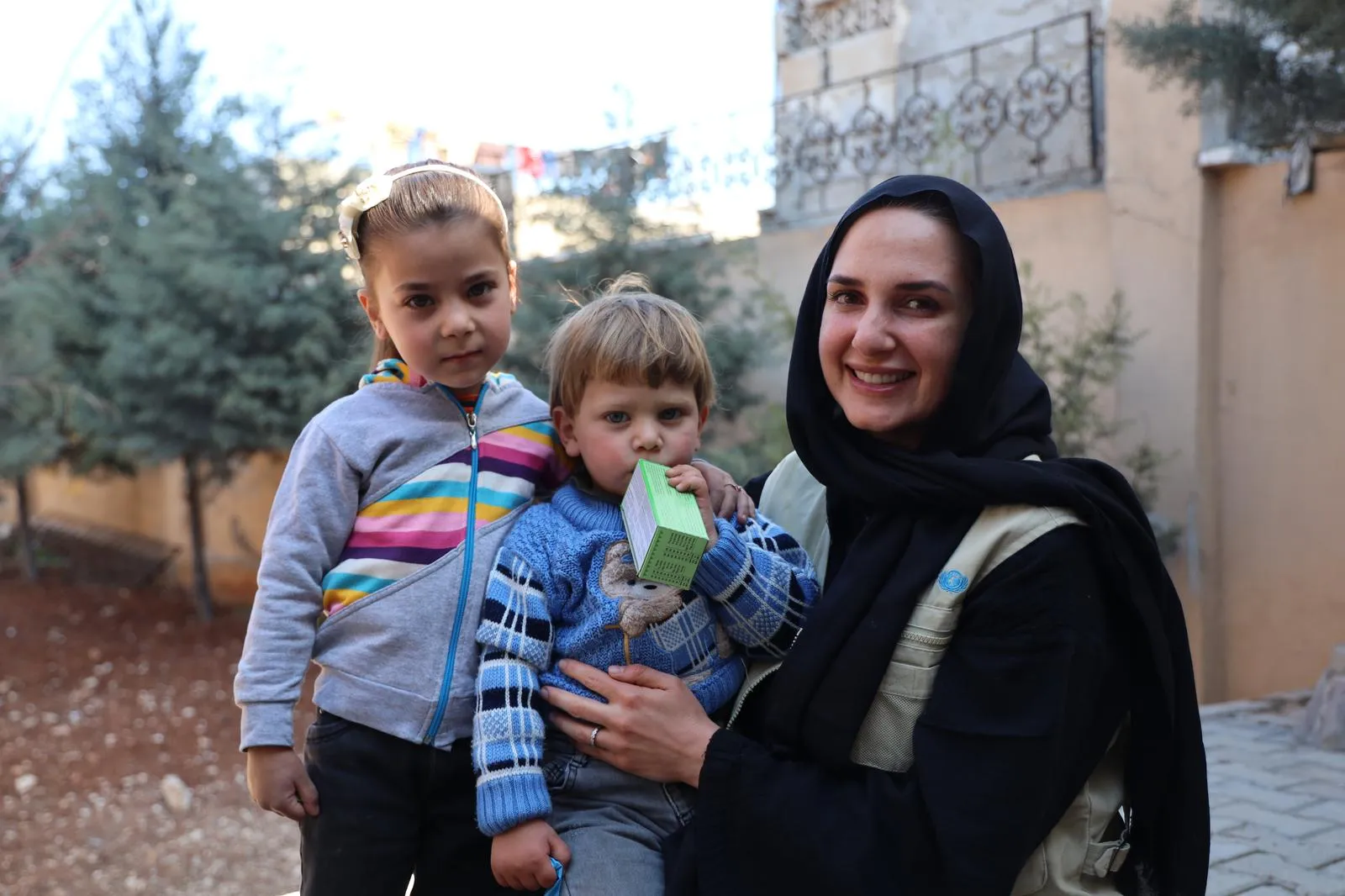
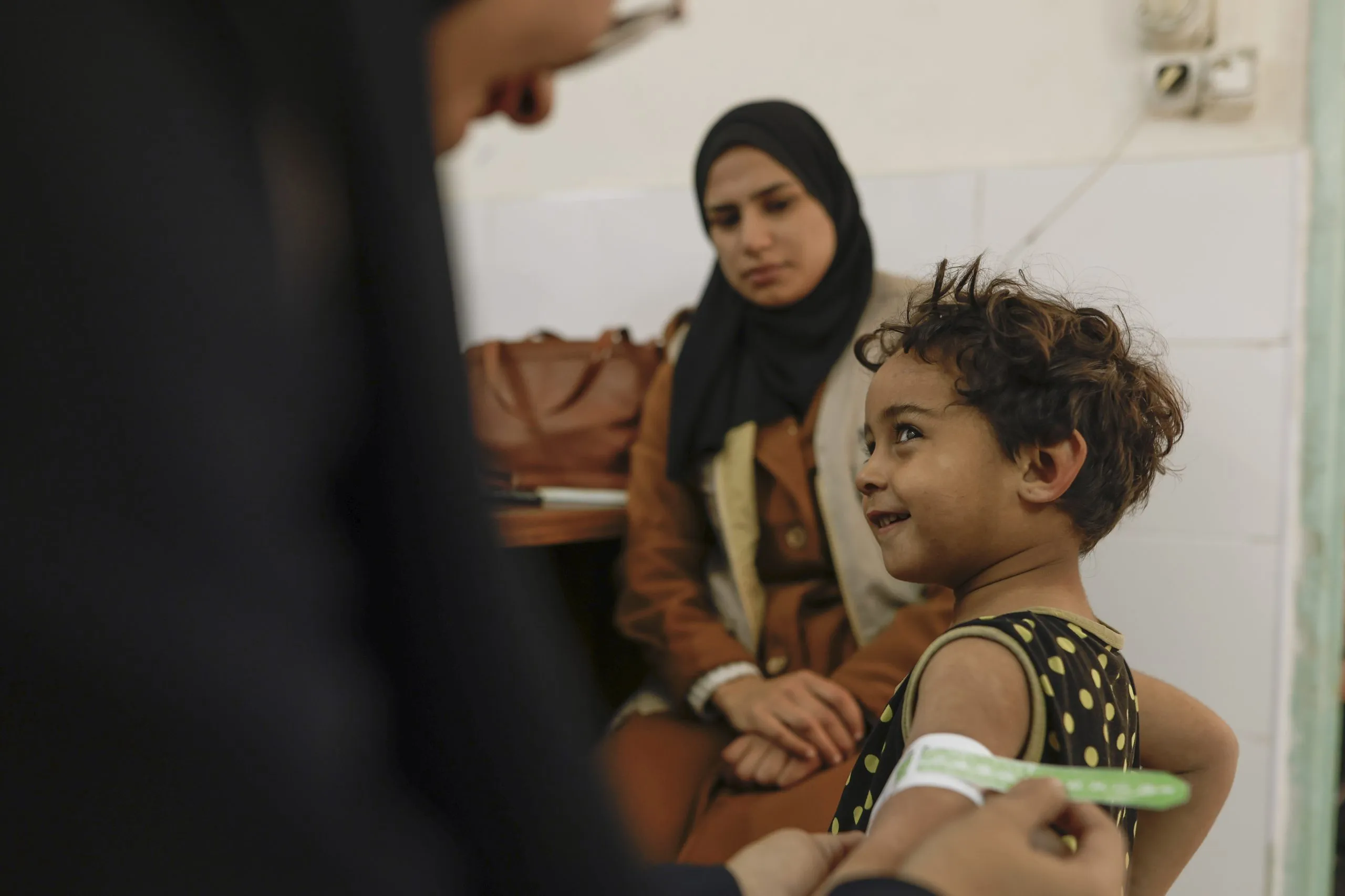
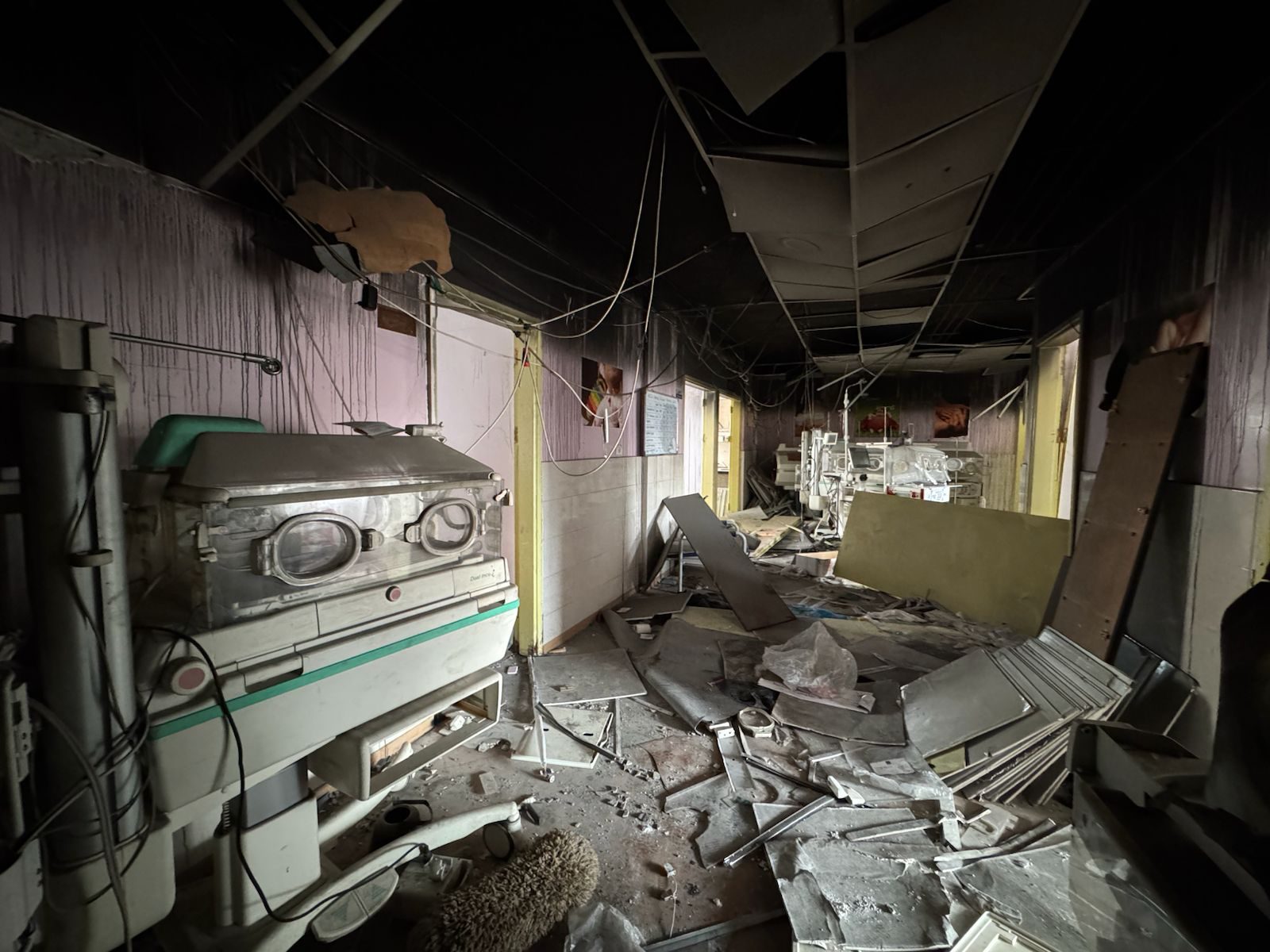
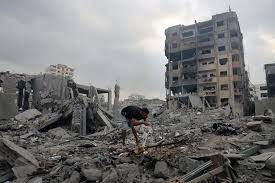
In Northern Gaza, Kamal Adwan hospital was put out of service today, including MedGlobal’s malnutrition treatment clinic, as Israeli forces and drones surround the area. The hospital building was already severely damaged from Israeli attacks last fall, leading MedGlobal to set up a tent clinic in the courtyard to resume lifesaving services. Over the past year, the clinic has conducted nutrition screenings for over 14,000 children under the age of five. Today’s attacks have now shuttered this last lifeline for the community. 

Across Gaza, a months-long aid blockade is causing a sharp rise of acute malnutrition in children and adults, while recent multiple attacks on 1/5 of the still-operational hospitals in Gaza extinguish access to vital life-saving medical care.  

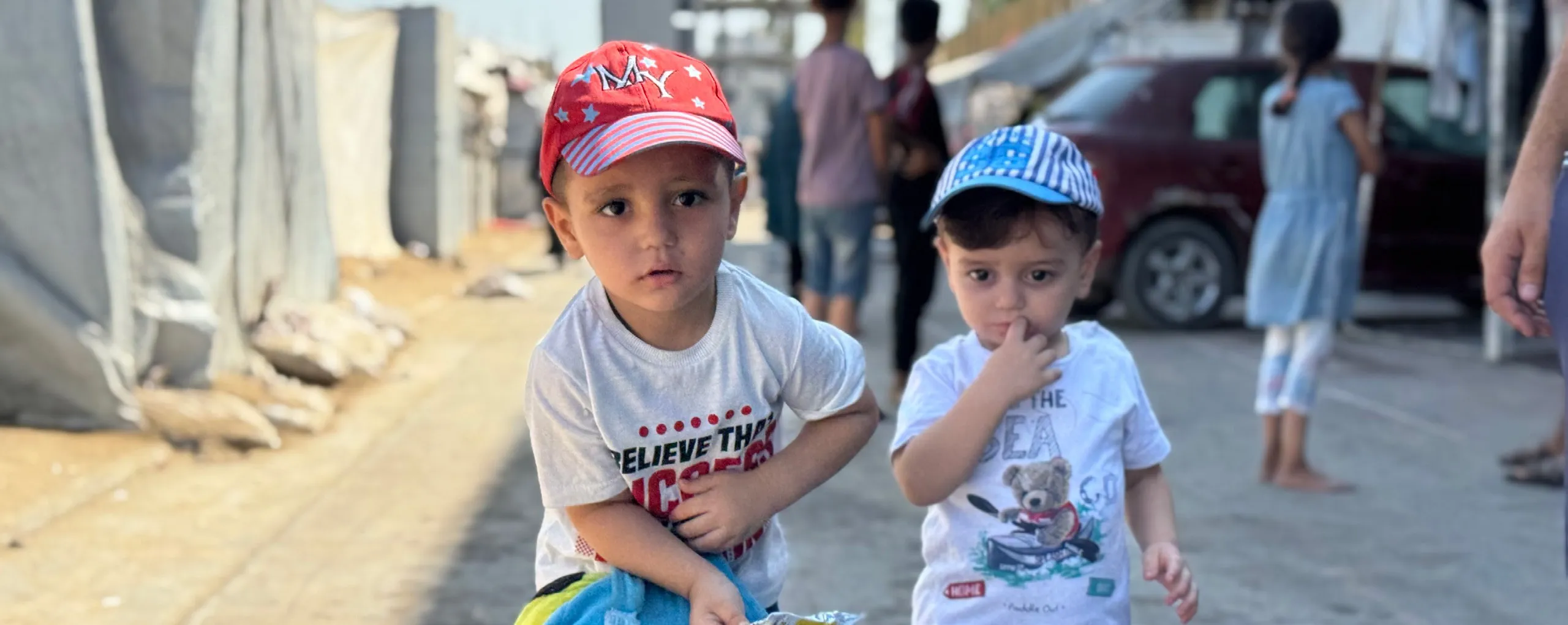
At least one in five people in Gaza, over 500,000, do not have enough food to meet basic nutritional requirements, with thousands of babies and young children at particular risk if full and extensive aid deliveries are not swiftly resumed. The malnutrition prevalence rate has tripled since the blockade , rising from 2.4% in February to 6.1% in May. 70,000 children now suffer from acute malnutrition, many of whom are being treated in MedGlobal-supported therapeutic nutritional centers. The partial resumption of aid deliveries  this week is nowhere near sufficient to reverse the trend.  

“Right now, 70,000 children suffer from acute malnutrition – a death sentence for their bodies and minds,” said Dr. Zaher Sahloul, president and co-founder of MedGlobal. “The damage is permanent: stunted growth, crippled immunity, and brains that will never fully develop. These children will struggle to heal, to fight diseases, even to survive. Their stolen potential weakens entire communities for generations.” 

As the need for medical care grows more acute, MedGlobal and its humanitarian aid partners are again experiencing the targeting and closure of hospitals and healthcare facilities.  

The closure of Kamal Adwan Hospital follows other recent attacks on several of Gaza’s remaining hospitals. In just over a week, five of Gaza’s remaining 22 functional hospitals came under attack. Last week, Israeli strikes hit both Nasser hospital  and European Hospital – the two main hospitals in Khan Younis. It was the second attack on Nasser Hospital within two months. The attacks shut down European Hospital – the only remaining cancer treatment facility in Gaza, impacting 10,000 cancer patients. ICU, NICU and emergency care services at the hospital have also been lost.  

This week Indonesian Hospital was attacked and surrounded by Israeli forces, forcing a suspension in services. An attack on Nasser Hospital damaged a medical warehouse, destroying WHO supplies. Airstrikes  hit Indonesian hospital’s generators, sparking a fire and damaging its main power supply. Nearby Al-Awda Hospital also faced fire from drones and was shelled. It is the last functional hospital for North Gaza, but WHO now reports it is at risk of closure. 

“Hospitals are protected spaces under international law. These multiple attacks in recent days are blatant violations, and they are not only deadly in the first instance, but leave a long wake of death behind them as people have fewer and fewer options to receive life-saving health care,” said Salwa Al-Tibi, MedGlobal’s Gaza Country Director. 

Only 20 out of Gaza’s 36 hospitals remain partially functioning. Roughly 20 percent of Gaza’s remaining hospitals have been attacked or besieged in the past ten days. 

 “Every day we are losing more basic services and treatment facilities, including malnutrition care facilities that are desperately needed amid growing starvation,” Al-Tibi said. “Full delivery of aid must be resumed, our hospitals and treatment points must be allowed to operate, and people must be given free movement and safe passage to reach these facilities to receive care.”  

### 

About MedGlobal 

MedGlobal is a humanitarian nonprofit organization that provides emergency medical response and health programs to build resilience among vulnerable communities around the world. The organization’s health programs support victims of crisis and conflict, refugees, internally displaced persons, and marginalized communities in disaster-affected and low-resource settings. 
images-3
Breaking NewsGazaNewsPress

TRAGIC LOSS OF MEDGLOBAL AHMED ELKLOUT IN GAZA ATTACK

We are heartbroken and infuriated at the brazen killing of our colleague Ahmed Elkhlout in northern Gaza on November 29. Ahmed, a nurse with MedGlobal, was walking to start his next shift at Kamal Adwan hospital when a helicopter gunship opened fire at approximately 10:30am. Ahmed did not survive his injuries in part because emergency responders could not reach him as their ambulance also came under fire. Ahmed had worked with MedGlobal since May this year. He is survived by his wife and five children to whom the MedGlobal family offers its deepest condolences.

MedGlobal is providing medical care to thousands of people in Gaza under the most extreme conditions of violence and deprivation. Our people and the community we serve witness and experience blatant, inhumane and severe violations of International Humanitarian Law (IHL) – the most basic rule of which is protecting civilians in war – every day. These are crimes and we appeal in the strongest possible terms for the Israeli military and its supporters to end the bombings and the siege that are killing civilians, including children, women and healthcare workers like Ahmed.

NewsPress

Digibooth

For our 2023 annual gala, we had a selfie booth from DigiBooths. A DigiGroup Entertainment company and your go to for anything event related.

Breaking NewsLatestMissionNews

Roads, Roofing Tiles, and Brigades: A Medical Volunteer’s Reflection on Serving the El Talento Community

By Richard Scott, MD, medical volunteer of MedGlobal’s November 2021 short-term medical intervention in Colombia.

In joining the MedGlobal Brigade in Colombia, I was not sure what to expect. As a doctor who recently retired from family practice in Canada, I would be helping to provide primary medical care to refugees and migrants from Venezuela. I expected a refugee “camp” like the ones I had seen on the border between Myanmar and Thailand – enclosed settlements with fences, gates, and patrols keeping the refugees in the camp and out of a national economy. Because I knew millions of Venezuelans had fled on foot after the collapse of the Venezuelan economy and healthcare system, I expected such camps might be large.

I was pleasantly surprised to find no such camps. The Duque government’s open-door and rapid integration policies meant Venezuelan refugees were encouraged to move on from the border with the goal of integrating them into the broader national economy. Among the consequences of such policies, one result is that there are no prison-like refugee camps on the border.

Although Colombia has a sophisticated health care system, most access to it is private, either through direct payment or work-related health insurance. The poor have access only to the public components of the system, primarily for non-emergency care. As non-citizens, Venezuelan refugees have even less access.

The MedGlobal Brigade works with a relatively poor but open and developing community on the outskirts of Cúcuta called El Talento, which is home to about 5000 people. Approximately 70% of the community are settled Venezuelan refugees and the rest are internally displaced Colombians. Most of the residents have been living in El Talento for several years.

On the walk up from the main road into the community, apart from the friendly and enthusiastic welcome we received, what struck me first was how rutted the red dirt roads were, with deep gouges recently carved out by rains, passable on foot but barely passable on wheels. On our third day at the road leading into the community, a string “gate” appeared, held aloft by a ten-year-old boy near the entrance, jar in one hand extended for a toll. I asked him what the money was for and was told it was for “this” – pointing at a few truckloads of broken clay roof tiles that had been dumped at various sites along the way up the hill. He was collecting donations for the community to pay for the tiles.

The houses in El Talento were mostly of rudimentary brick or wood construction, some with poured concrete floors, many with just dirt floors. They had access to running water about once a week through a system of PVC pipes buried along the edges of the road that are prone to breaking. Residents stored water in pails or plastic barrels until the water was next available.

On a walk through the community to a house call with a community health worker and a translator, we helped a young woman carry a perambulator with her baby in it. The road in places was so rutted or steep she couldn’t roll it.

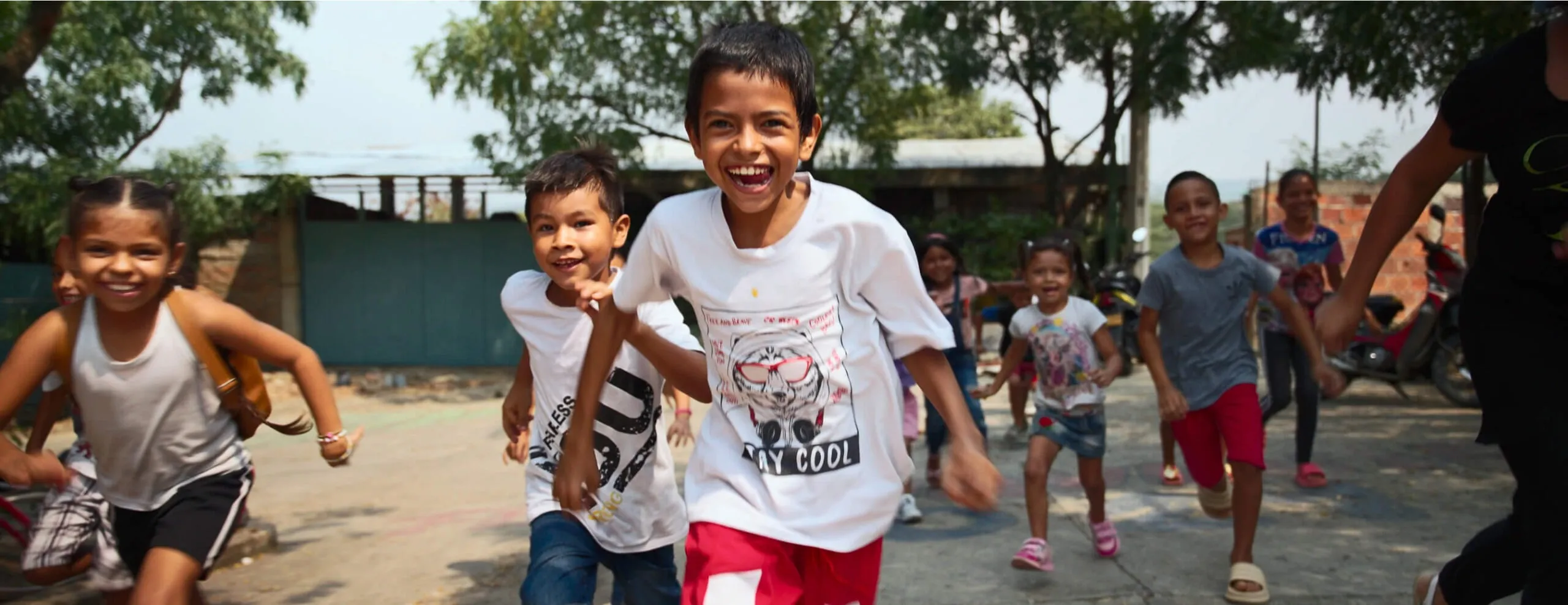
On the way home, we came upon a group of children, the oldest of them perhaps 12, vigorously and joyfully spreading a truckload of clay roof-tile gravel on the road along with a couple of adults who were supervising and breaking up the larger chunks of tile with a sledgehammer. The children were laughing and digging in happily. They were clearly having fun.

For me, the communal use of these discarded and broken tiles was emblematic of a low-tech, low-cost approach to a difficult community problem. It could be implemented immediately. People worked together to use available resources to make a difficult situation better.

This is also true of MedGlobal’s approach to providing primary care in El Talento. Working with community leaders, health workers, translators, local volunteers – and on our trip an optometrist, and several Venezuelan, Canadian and American physicians – MedGlobal has organized successive “brigades” to provide El Talento with primary care and diagnostic tools that they would not otherwise have access to. In this analogy, you might consider the members of the brigades a part of the community. Continuity of care is achieved through MedGlobal’s organization of successive brigades, and by referral to a permanent clinic of Colombian doctors supported by MedGlobal in nearby Cúcuta.

As a family doctor, I found my work much like the work I do in Canada, albeit in a very different setting and with a much more limited set of diagnostic or referral resources. Instead of a private office and exam room, I worked at a plastic table in a noisy communal area that was ordinarily used for church services and other community meetings. It was an open area under an awning on a slope with rows of concrete steps leading down to a stage at the bottom where we worked, plastic chairs on the steps serving as an open waiting area. Many of the problems I was asked about were like the ones I would see at home: hypertension, diabetes, musculoskeletal aches and pains, and many parents concerned about their children’s appetite, growth, and development. Starvation was not an issue but malnutrition and failure to thrive certainly were, compounded by a high prevalence of h. pylori infection, intestinal worms, and parasites.

I listened carefully and provided what care I could. When stumped, I consulted the Venezuelan doctors who knew the local epidemiology, needed no translator, and could work twice as fast as I could. The patients who came were invariably respectful and extremely grateful for what limited advice and care I could provide. I thought how fortunate I was to live in Canada, a country with a strong universal healthcare system where access to medical care does not depend on nationality, income, or employment status, and where I was able to have been well-paid for my part in providing such care.

Consider the brigades again by analogy with the roof tiles. Members of the brigades are the roof-tiles, a temporary, imperfect, but perhaps useful resource, brought in by the community from the outside to improve a challenging situation, in which inequality and poverty preclude access for the time being to a more permanent solution. On the other hand, by engaging with the members of El Talento, members of the brigades broaden our own definitions of community to include each other. If I can see myself in this way as part of a broader community there is hope and some fun in also being a fragment of a roof-tile.

News

Weekly Humanitarian News Digest – May 21

Each week, we highlight the latest news related to the humanitarian and health crises in our countries of operation: Bangladesh/ Myanmar, Colombia/ Venezuela, Gaza/ Palestinan Territories, India, Lebanon, Pakistan, Sudan, Syria, and Yemen. For more frequent updates, make sure to follow us on Facebook, Instagram, and Twitter.

Cover Image: Hosam Salem for The New York Times

Latest News for May 17 – May 21, 2021

Bangladesh/ Myanmar 

UNHCR has raised only 36% of requested funding to support Rohingya refugees in Bangladesh. The Joint Response Program (JRP) for 2021 asks for $943 million to meet the needs of more than one million Rohingya living in camps in Bangladesh. This year, due to the effects of COVID-19, more than 40% of funding is focused on health and food security. The JRP for 2020 never exceeded 60% funding. (Radio Free Asia)


Colombia/ Venezuela 

Widespread anti-government protests have led to a surge in COVID-19 cases across Colombia. On Sunday, the Ministry of Health reported 530 deaths in a single day, the highest number since the pandemic began. Hospitals in Medellin and Cali, two of Colombia’s largest cities, have been overwhelmed by new cases and the health system in Bogota is under threat of collapsing. Colombia’s vaccination campaign has inoculated just 8% of its goal of 35 million people since February. (Colombia Reports)


Gaza/ Palestinian Territories

Gaza has suspended administering COVID-19 tests after the only lab capable of processing test kits was damaged by an airstrike. Testing for HIV and other medical conditions has also paused. More than 200 people have been killed by airstrikes and many Palestinians are crowding into schools for safety. Only 1.9% of Gaza’s 2 million residents are fully vaccinated and a surge in COVID-19 cases is expected. (The New York Times)


India  

On Wednesday, India reported 4,529 deaths from COVID-19, the highest number of deaths in a single day of any country since the pandemic began. The government has confirmed more than 280,000 deaths and 25 million cases, both of which are likely undercounts. Though the situation in India’s cities is starting to improve, the spread of the virus in rural areas with weak health systems and limited testing has become a focus of concern. India’s vaccination campaign has also slowed in recent weeks, falling from four million doses administered per day in April to only two million this week. (Associated Press)


Lebanon  

Lebanon faces increased blackouts after Karpowership, a Turkish company providing a quarter of Lebanon’s electricity, ceased operations. Lebanon has been unable to make payments to the company since the beginning of its financial crisis 18 months ago and now owes more than $100 million. The decrease in supply will result in a total capacity that is less than one-third of Lebanon’s electrical demand. (Reuters)


Pakistan

Pakistan has modified one of its power plants to produce medical oxygen to meet the growing need for COVID-19 patients. The plant in Sindh province will produce 268,000 liters of oxygen for nearby public health facilities. There are at least two other power plants in Sindh that may also be modified to produce oxygen in the future. (Gulf News)


Sudan

Sudan has imposed new COVID-19 restrictions over concerns of a surge in new cases. Schools and universities will close for one month, all large gatherings are banned, and masks are required in public areas. Sudan will also restrict travel from India to prevent the spread of the new B.1.617 variant. Health systems across the country are facing shortages of oxygen, medications, and hospital beds to treat COVID-19 patients. The government has reported nearly 35,000 cases and has warned that the number could increase to 100,000 by mid-June unless guidelines are followed. (Reuters)


Syria

On Wednesday, the UN Secretary-General released a report on children and armed conflict in Syria. The report, which covers the period from July 2018 to June 2020, found that there were more than 4,724 grave violations against children by 32 parties involved in the conflict. Airstrikes and indiscriminate shelling maimed or killed more than 2,700 children and at least 1,400 children were recruited by armed groups. There were also 236 verified attacks on classrooms and 135 on medical facilities. (UN News)


Yemen

More than 2 million children have lost access to education as a consequence of Yemen’s ongoing conflict. In March alone, five attacks against schools left an additional 30,600 children without access to education. Escalating violence in Taiz governorate and other areas of Yemen during the first quarter of 2021 killed or injured 50 children. Over the past three years, one quarter of all casualties from the conflict were children. (Save the Children)

News

Weekly Humanitarian News Digest – May 14

Each week, we highlight the latest news related to the humanitarian and health crises in our countries of operation: Bangladesh/ Myanmar, Colombia/ Venezuela, Gaza/ Palestinan Territories, India, Lebanon, Pakistan, Sudan, Syria, and Yemen. For more frequent updates, make sure to follow us on Facebook, Instagram, and Twitter.

Cover Image: Reuters

Latest News for May 7 – May 14, 2021

Bangladesh/ Myanmar 

Bangladesh has extended its border closure with India an additional two weeks after detecting its first case of the Indian variant of COVID-19. At least six cases of the highly transmissible variant have been reported as Bangladesh continues a loose lockdown until May 16. Overall infections in Bangladesh are declining following a peak in April with only 1,285 cases and 45 deaths reported on May 8. In total, Bangladesh has recorded 772,127 cases of COVID-19 and 11,878 deaths since the pandemic began. (Reuters)


Colombia/ Venezuela 

Colombia expects a surge in COVID-19 cases following two-weeks of massive protests across the country. Intensive Care Units in Colombia’s largest cities are approaching full capacity and officials have warned that the health system is at risk of collapsing. At least 26 people have died and 800 people have been injured during the anti-government protests, which are expected to continue for the foreseeable future. (Al Jazeera)


Gaza/ Palestinian Territories

The escalation of violence between Israel and Gaza is putting immense pressure on Gaza’s weak health system and may cause a new wave of COVID-19 infections. According to Gaza’s Ministry of Health, at least 580 Palestinians have been injured and 103 have died. Several health facilities in Gaza have stopped COVID-19 testing and vaccinations as they deal with the influx of wounded people. FIghting has also led to the closure of Gaza’s borders, which prevents the delivery of medical supplies, COVID-19 vaccines, and fuel for generators. Gaza officials have warned that hospitals across Gaza may lose access to electricity in the next few days. (The Washington Post)


India  

India is experiencing the worst COVID-19 outbreak of any country since the pandemic began with over 400,000 daily cases. Health experts have warned that the recorded number of infections is likely a severe undercount since two-thirds of the population live in areas with limited testing. Officials have reported 254,000 deaths from COVID-19, but some estimates suggest that the true number is more than 750,000 and predict that total deaths will double by August. A new variant of COVID-19 has also emerged in India and has already spread to 44 other countries. As of May 12, only 2.8% of India’s population has been vaccinated. (TIME)


Lebanon  

Karadeniz, a Turkish firm which provides nearly one third of Lebanon’s electricity, has threatened to halt supplies unless debts are paid. The company claims it has not been paid since the beginning of Lebanon’s financial crisis 18 months ago. Even before the crisis, Lebanon struggled to generate enough power to meet domestic demands and daily power cuts have increased in recent months. The loss of Turkish power supplies will reduce Lebanon’s overall capacity to less than one third of its energy demand. (Al Jazeera)


Pakistan

On Saturday, Pakistan received its first batch of COVID-19 vaccines through the COVAX program. The shipment of 1.2 million doses will boost Pakistan’s vaccination campaign which has already inoculated 3.3 million people. Pakistan is currently imposing nationwide restrictions, including a ban on public transportation, to manage a spike in cases expected from Eid al-Fitr celebrations. Despite having a population of 220 million, only 40,000 COVID-19 tests are conducted per day and health workers lack the testing kits needed to detect the Indian variant of the virus. (Reuters)


Sudan

Sudan’s government has suspended the activities of Anhar Organization for Peace, a Sudanese humanitarian NGO, over alleged ties to the previous regime. The suspension has resulted in the closure of 16 health centers in camps for displaced persons. Anhar provided health, nutrition, water, and sanitation services to more than 169,000 people across North Darfur. No alternative services were put in place prior to the suspension and community leaders in Kabkabiya, Saraf Omra, and El Fasher have warned of deteriorating health conditions. (Radio Dabanga)


Syria

Widespread vaccine hesitancy in northwest Syria is hindering the COVID-19 vaccination campaign. In April, the northwest received 54,000 doses of the AstraZeneca vaccine through the COVAX program. Many people living in the region have expressed concerns over vaccine side effects, such as blood clots, and question the severity of the health crisis. Even among frontline workers, only 6,070 out of 40,000 health and humanitarian workers have been vaccinated. Two more shipments of COVID-19 vaccines are expected to arrive in northwest Syria by the end of the year with enough doses for 850,000 people out of the region’s 3.5 million residents. (Reuters)


Yemen

According to UNHCR, more than 40,000 Yemenis have been affected by heavy rains and flooding across the country. The majority of people impacted are internally displaced persons who were already living in precarious shelter conditions. Over 4 million Yemenis are currently displaced, 80% of whom have been displaced for more than one year, and ongoing clashes continue to exacerbate the humanitarian crisis. Around 20.7 million people are in need of aid and the current response plan is only 27% funded. (ReliefWeb)

News

Weekly Humanitarian News Digest – May 7

Each week, we highlight the latest news related to the humanitarian and health crises in our countries of operation: Bangladesh/ Myanmar, Colombia/ Venezuela, Gaza/ Palestinian Territories, Lebanon, Pakistan, Sudan, Syria, and Yemen. For more frequent updates, make sure to follow us on Facebook, Instagram, and Twitter.

Cover Image: AFP

Latest News for April 30 – May 7, 2021

Bangladesh/ Myanmar 

Bangladesh is postponing COVID-19 vaccinations for Rohingya refugees until it begins receiving shipments from COVAX. Vaccinations for 130,000 refugees were originally planned to begin on March 27, but were canceled after the disruption of vaccine imports from India due to the latter’s growing COVID-19 crisis. India was expected to produce 70% of vaccines for COVAX in the first half of 2021, including 10 million doses that would have gone to Bangladesh by the end of May. There have only been 570 confirmed cases of COVID-19 among refugees since the pandemic began, but infections and hospitalizations are rising in the surrounding communities. (The New Humanitarian)


Colombia/ Venezuela 

Hundreds of people have been injured, dozens are missings, and at least 24 have died during week-long protests across Colombia. Protests were initially sparked over proposed tax reforms, but have become a broader movement against the government’s handling of the pandemic and economic crisis. Nearly half of Colombia’s population now lives in poverty. (BBC News)


Gaza/ Palestinian Territories

In April, Gaza recorded 35,882 new cases of COVID-19 and a 58% increase in active cases. Health officials reported 288 deaths in April, up from only 28 in March, bringing the total number of deaths in Gaza to 899. The positivity rate for COVID-19 tests during the last week of the month was 30%. Currently, 44 out of Gaza’s 77 intensive care unit beds are occupied. Only 36,496 people in Gaza are vaccinated, including 25,746 who have received two doses. (UN OCHA)


Lebanon  

Lebanon may cease generating electricity this month due to fuel shortages caused by the economic crisis. Lebanon’s currency has lost 90% of its value against the dollar, making it increasingly difficult to finance basic imports. In March, Lebanon’s parliament approved a $200 million emergency loan for fuel imports, but the country’s constitutional committee has yet to approve it. Hours-long power cuts are already a common occurrence in the capital and other areas. (Reuters)


Pakistan

Pakistan is implementing new border restrictions, including banning all travel from India, as part of its strategy to manage its most recent wave of infections. Pakistan has reported 830,000 infections and more than 18,000 deaths from COVID-19 since the pandemic began. The UK variant of COVID-19 is currently the cause of most new infections, but the highly contagious variants from Brazil and South Africa have also been detected recently. Pakistan began vaccinating its population in February, but has only administered doses to 2 million out of 220 million people, the lowest rate in South Asia. (Voice of America News)


Sudan

Sudan is experiencing multiple health crises as it grapples with a third wave of COVID-19 infections. The Ministry of Health reported 138 new cases and five deaths over a three-day period. Local health systems continue to face regular attacks against health workers and suffer from shortages of oxygen and hospital beds. Sudan’s financial crisis has also halted imports of critical medications, causing severe shortages in medications needed for the treatment of cancer, kidney diseases, heart problems, and diabetes. (Radio Dabanga)


Syria

A new wave of COVID-19 infections is impacting northeast Syria amid shortages of testing equipment and oxygen supplies. As of April 26, there have been at least 15,000 cases, including 960 health workers, and 640 deaths. Hospitals in the region lack the capacity to handle the number of cases and there is limited personal protective equipment for medical staff. Two treatment centers have suspended operations due to shortages and the only laboratory processing tests are expected to run out of supplies in the next two weeks. (Voice of America)


Yemen

Widespread flooding across Yemen has killed at least seven people and affected more than 3,700 families. Heavy rains and flash floods in the Aden, Abyan, Daleh, Lahj, Hadramawt, Marib and Taiz governorates have caused extensive damage to infrastructure, homes, and shelters. The majority of people who have been impacted were already internally displaced. (France 24) 

Yemen’s vaccination campaign is struggling to overcome vaccine hesitancy and barriers to access as cases continue to rise. Yemen received 360,000 COVID-19 vaccines through the COVAX program, but a fragile health system, vaccine hesitancy, and Yemen’s ongoing conflict have derailed rollout efforts. In Taiz, which has received 70,000 doses, only 500 have been administered over the past two weeks. According to health workers, the month of Ramadan has also hindered vaccinations as many Yemenis believe receiving a vaccine would break their fast. (Reuters) 

News

Weekly Humanitarian News Digest – April 30

Each week, we highlight the latest news related to the humanitarian and health crises in our countries of operation: Bangladesh/ Myanmar, Colombia/ Venezuela, Gaza/ Palestinian Territories, Lebanon, Pakistan, Sudan, Syria, and Yemen. For more frequent updates, make sure to follow us on Facebook, Instagram, and Twitter.

Latest News for April 23 – April 30, 2021

Bangladesh/ Myanmar 

Bangladesh has approved the Sputnik V vaccine for emergency use after losing access to vaccines from India. The government had previously signed agreements for 30 million doses of AstraZeneca’s vaccine with India, but received only seven million doses before India halted exports due to a surge of new cases. Bangladesh expects to receive four million doses of the Russian vaccine by May and is in the process of approving China’s Sinopharm vaccine as well. (Reuters)


Colombia/ Venezuela 

The COVID-19 pandemic is disproportionately impacting vulnerable communities in Colombia and Venezuela. In Colombia, intensive care units have filled to capacity and Venezuela’s crippled health system was already requiring patients to provide their own medical supplies before the outbreak of COVID-19. While both countries have begun vaccination campaigns, the rapid spread of the Brazilian strain of the virus threatens to undo progress. (ABC Local 10)


Gaza/ Palestinian Territories

Gaza’s Ministry of Health has reported that at least five doctors have died from COVID-19 since the pandemic began. Many health workers have contracted COVID-19 and the rate of infection remains high as Gaza grapples with a second wave of infections. The elderly and people with underlying conditions represent the majority of those who have died. (Middle East Monitor)

Gaza’s hospitals are struggling to manage the surge in COVID-19 cases caused by a more transmissible strain of the virus and large crowds during Ramadan. Infection rates hover between 1,000 and 1,500 new cases per day. Gaza’s main health facility treating COVID-19 patients reports that its oxygen supplies are nearly exhausted. Gaza is also facing a shortage of vaccines, having received enough doses for only 55,000 people, and vaccine skepticism is high among the general public. (Associated Press)


Lebanon  

An estimated 1,000 health workers have left Lebanon since the Beirut port explosion last August. In the midst of Lebanon’s financial crisis, imports of medications and medical equipment dwindled and the salaries of some medical workers lost 90% of their value. Many health workers, including senior members of the medical community, have left to pursue work in wealthier countries in the Gulf, Europe, and North America. (The World)


Pakistan

On Tuesday, Pakistan reported 201 deaths due to COVID-19, the highest number of deaths in a single day since the pandemic began. According to government figures, at least 17,530 people have died and there are more than 88,000 active cases. In response, the government has deployed the military to 16 major cities to enforce COVID-19 restrictions and social distancing guidelines. The Ministry of Health is working to expand hospital capacity as the vaccine rollout continues to lag behind other countries in the region. (Al Jazeera)


Sudan

Sudan is experiencing its third wave of COVID-19 infections with rising numbers of new cases in Khartoum, El Gezira, and Kassala. Health authorities are calling on members of high-risk categories, including medical workers, the elderly, and people with underlying conditions, to get vaccinated as soon as possible. In March, Sudan received 828,000 doses of AstraZeneca’s vaccine and plans to begin administering second doses on May 9. The government has reported  33,104 cases and 2,349 deaths since the pandemic began. (Radio Dabanga)


Syria

Syria is experiencing a rapidly growing third wave of COVID-19 infections amid nationwide shortages of medical equipment, testing kits, and oxygen. Health officials in the northeast have reported more than 5,300 cases in April as 47% of tests return positive results. The only COVID-19 laboratory in the northeast is expected to run out of testing kits within the week. Intensive care units in Damascus are at full capacity and, according to the International Rescue Committee, 83% of patients who receive invasive ventilation are dying. (The Guardian)


Yemen

More than four million people are displaced in Yemen, many of whom have experienced multiple displacements and remain at risk of violence. In Marib governorate, an area with a 2014 population of 20,000, an estimated one million displaced persons live in crowded camps near the frontlines of fighting. Camps have repeatedly been hit by shelling, which has killed dozens and displaced more than 13,700 people since the beginning of 2021. Many families have nowhere else to go and are waiting until the violence escalates further before attempting to move again. (Middle East Eye)

News

Weekly Humanitarian News Digest – April 23

Each week, we highlight the latest news related to the humanitarian and health crises in our countries of operation: Bangladesh/ Myanmar, Colombia/ Venezuela, Gaza/ Palestinian Territories, Lebanon, Pakistan, Sudan, Syria, and Yemen. For more frequent updates, make sure to follow us on Facebook, Instagram, and Twitter.

Cover Image: UNICEF

Latest News for April 16 – April 23, 2021

Bangladesh/ Myanmar 

The UN refugee agency has called on Bangladesh to delay the relocation of Rohingya refugees to Bhasan Char island until improvements to safety are made. Due to the vulnerability of the island to cyclones, UNHCR recommended that the government complete construction on flood embankments, produce emergency management plans for extreme weather events, and create stockpiles of essential supplies before relocating additional refugees. The island currently hosts 18,304 Rohingya refugees. Bangladesh plans to increase the number to 100,000 as part of its plan to reduce overcrowding in the Cox’s Bazar camps. (The Diplomat)


Colombia/ Venezuela 

Colombia has implemented new COVID-19 restrictions following the highest number of deaths in a single day since the pandemic began. According to the Ministry of Health, 420 people died in 24 hours, bringing the total number to more than 68,700. Lockdowns and travel restrictions will go into effect in Bogota, where intensive care units are at 86% capacity, as well as 12 regional capitals. Colombia continues to vaccinate its population, but delivery delays and other challenges have hindered the campaign. (Colombia Reports)


Gaza/ Palestinian Territories

According to health officials, intensive care units in Gaza have reached 70% capacity as the area endures another wave of COVID-19 infections. The number of severe and critical cases has risen significantly and the number of deaths has increased 43% over the past week. COVID-19 testing remains limited and the health system lacks the capacity to test for some of the highly transmissible variants. Gaza has received few vaccines and according to a survey by the Jerusalem Media and Communications Center, 54.2% of people in Gaza said they would not take the vaccine. (Al Arabiya News)


Lebanon  

Nearly 90% of the one million Syrian refugees in Lebanon are living in extreme poverty. Lebanon’s financial crisis and the COVID-19 pandemic have caused a rapid deterioration in living conditions for the country’s population, but has disproportionately harmed refugees. Half of Syrian refugee families now suffer from food-insecurity, up from 28% in 2019. (Associated Press)


Pakistan

Pakistan’s third wave of COVID-19 infections has resulted in nearly 5,400 new cases per day and the highest number of deaths since the pandemic began. Across the country, health guidelines are often ignored and mass gatherings are common. Pakistan’s vaccination campaign has only reached around 800,000 people, less than 0.2% of the population. Many Pakistanis are afraid of vaccines as a result of conspiracy theories, rumors, and lack of trust in the government. (The Diplomat)


Sudan

The governor of West Darfur has declared its capital, El Geneina, a disaster area following a rise in violent attacks. The governor called on the national government to assist with reconstruction efforts and provide humanitarian aid, shelter, and food to victims. In South Darfur, more than 2,400 families continue to face shortages of shelter, food, and clothes after a massive fire destroyed multiple camps for refugees and displaced persons. (Radio Dabanga)


Oxygen shortages across several regions of Sudan have forced hospitals to transfer patients across state lines. The country’s health system has largely collapsed due to strain caused by the COVID-19 pandemic, violent conflict, and the financial crisis. Medical imports have dropped significantly and 58% of essential medicines are no longer available in Sudan. (Radio Dabanga)


Syria

On Thursday, Syria received more than 250,000 COVID-19 vaccines through the COVAX initiative. The majority of the vaccines were delivered to Damascus, except for 53,000 which were sent directly to the northwest. By the end of 2021, COVAX plans to deliver enough vaccines to cover 20% of the country’s population. The first people to receive vaccines will be health workers, the elderly, and people with underlying conditions. (UN News)


Yemen

On Tuesday, the Yemeni government launched its COVID-19 vaccination campaign with the goal of reaching more than 317,000 people in 12 days. In March, Yemen received 360,000 doses of AstraZeneca through the COVAX program and expects to receive a total of 1.9 million doses by the end of the year. The campaign will cover 13 governorates and prioritize inoculations for frontline health workers, the elderly, and people with chronic conditions. Areas not under the control of the Yemeni government will not be covered by the campaign. The WHO also plans to send 10,000 doses to Sana’a, which is currently controlled by Ansar Allah. (Arab News)

News

Weekly Humanitarian News Digest – April 16

Each week, we highlight the latest news related to the humanitarian and health crises in our countries of operation: Bangladesh/ Myanmar, Colombia/ Venezuela, Gaza/ Palestinian Territories, Lebanon, Pakistan, Sudan, Syria, and Yemen. For more frequent updates, make sure to follow us on Facebook, Instagram, and Twitter.

Cover Image: VOA

Latest News for April 9 – April 16, 2021

Bangladesh/ Myanmar 

Rohingya refugees in Cox’s Bazar are reportedly living in fear for their safety after dozens of fires have broken out in camps in recent weeks. The one million Rohingya refugees in Cox’s bazar live in overcrowded camps composed of highly flammable bamboo shelters. On March 22, a large fire in Balukhali camp killed 15 people and destroyed 17,000 shelters, leaving 48,000 refugees homeless. Since then, at least 32 more fires have been reported in the camps, including a fire on April 2 that killed three people and destroyed 20 shops. (Voice of America)


Colombia/ Venezuela 

Multiple Colombian cities have initiated total lockdowns as COVID-19 infections and deaths surge. On Sunday, the Ministry of Health reported 17,483 new infections, a nearly eightfold increase from early March. The spike in cases overwhelmed the health systems in Medellin and Barranquilla where authorities implemented 24-hour curfews. A full lockdown has not been ruled out in Colombia’s capital as Bogota’s health secretary warns that the health system will be pushed to its limit in the next few days. (Colombia Reports)


Gaza/ Palestinian Territories

Gaza is reporting record numbers of severe and critical cases of COVID-19. In the last three weeks, severe and critical cases have more than tripled. Health officials estimate that 80% of new cases are caused by the UK variant of the virus, which is highly transmissible and was first detected in March. Less than one percent of Gaza’s population has been vaccinated so far. (The New York Times)


Lebanon  

Widespread food insecurity, poverty, and rising COVID-19 cases are pushing Lebanon towards a national humanitarian emergency. Food prices have quadrupled over the past year and a majority of Lebanese households now live below the poverty line. More than 90% of Syrian refugees are suffering from extreme poverty and have limited support from the government. Refugees have been increasingly blamed for the country’s problems and the risk of widespread violence grows as the crisis worsens. (ReliefWeb)  


Pakistan

On Monday, anti-French protests in Pakistan blocked roads and disrupted oxygen supplies for several hospitals. A senior health official in Punjab, Pakistan’s most populous province, said that the shortages created a crisis for COVID-19 patients that require constant access to medical oxygen. He called on protestors to not block roads for ambulances and hospital visitors. Pakistan is currently experiencing a third wave of COVID-19 infections and has limited supplies of vaccines. (France 24)


Sudan

According to UNHCR, at least 1,800 people have fled violence in Sudan’s Darfur region into neighboring Chad. More than 200 people have been killed in clashes between Massalit and Arab tribe members. The refugees in Chad reported targeted attacks on refugee sites and the destruction of homes and property by armed groups. The UN has condemned the violence and called on all groups to disarm and allow for independent investigations. (Al Jazeera)


Syria

De facto authorities in northeast Syria have imposed a 10-day lockdown in response to a surge in COVID-19 cases. Crossing points connecting the northeast with the rest of Syria will also be closed. The head of the regional health system has warned that the northeast has reached a critical period as new cases overwhelm hospitals and clinics. There have been 12,437 cases and 428 deaths reported in the northeast, but the real numbers are believed to be much higher. (Associated Press)


Yemen

Yemen’s committee overseeing the COVID-19 crisis has urged the government to declare a public health state of emergency over the rising number of COVID-19 cases and deaths. The committee reported that there have been more than 5,000 cases and 1,000 deaths since the beginning of the pandemic. The actual numbers are likely much higher since testing is extremely limited and no figures are available from cities under the control of Ansar Allah. Though Yemen received its first shipment of 360,000 vaccines in late March, misinformation and conspiracy theories have fueled anti-vaccine fears. Many people are concerned that vaccines are unsafe and have said that they will refuse them. (Middle East Eye)

We use cookies

We use cookies to improve your experience on this website. You may choose which types of cookies to allow and change your preferences at any time. Disabling cookies may impact your experience on this website. You can learn more by viewing our Cookie Policy.