logotype

Contacts

Registered Address:

MedGlobal,
10604 Southwest Highway, Suite 107
Chicago Ridge, IL 60415 USA

Checks:

MedGlobal,
1801 Hicks Road, Suite D,
Rolling Meadows, IL 60008

Zelle:

MedGlobal Inc
[email protected]

Copyright 2026  MedGlobal

Category: Gaza

Lujain
GazaLatestUpdate

What We Couldn’t See: Lujain’s Story of Healing

What We Couldn’t See: Lujain’s Story of Healing

After her father was killed, Lujain’s declining appetite and weight were only part of what she was experiencing. Coordinated nutrition and mental health care helped her begin to recover.

Deir Al Balah, Gaza


It started with a request. Lujain, a seven-year-old girl in Gaza, asked for a meal. Not just any meal, but a food she had not asked for in months.

In most households this would pass unnoticed. For the two health care workers following her care, it was the sign they had been waiting for. “She began asking for meals she hadn’t asked for before,” one of them recalls. “This gave me relief.”

To understand why a request for food could bring relief, it helps to go back to the point where eating stopped being simple.

When eating became part of a larger problem

Lujain’s father was killed in the conflict. In the period that followed, she experienced severe trauma, and its effects reached well beyond her emotional state.

“This caused a loss of appetite, a complex mental state, anemia, and severe weight loss.”

Saba Al-Najjar, Nutrition Officer

“She had severe trauma after her father was killed,” says Saba Al-Najjar, a nutrition officer with MedGlobal in Gaza. “This caused a loss of appetite, a complex mental state, anemia, and severe weight loss.”

Anemia is a condition in which the blood carries too little oxygen. It leaves a child tired and struggling to focus. At school, Lujain’s concentration slipped. At home, and in daily activities, she withdrew.

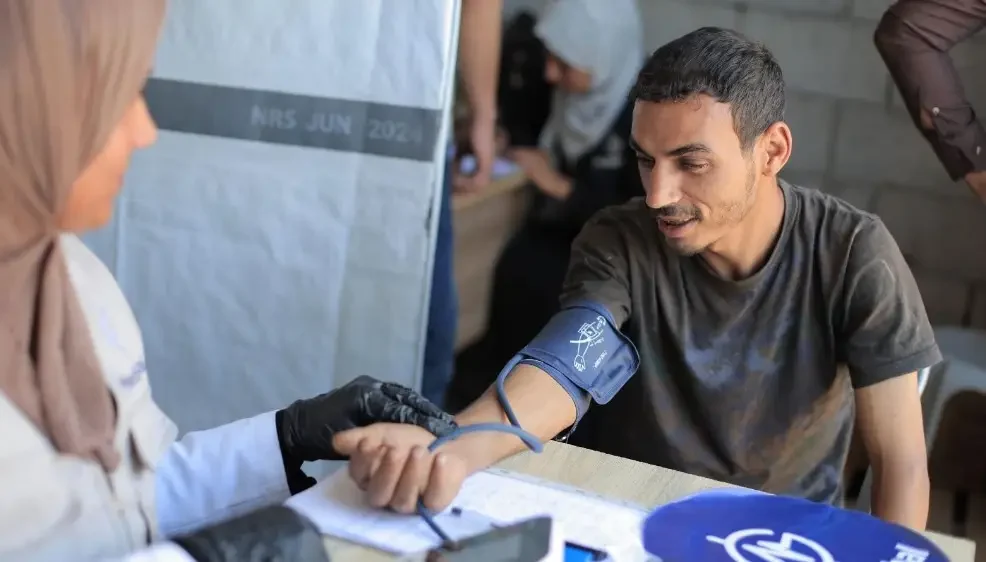
Her mother saw it happening. “I noticed her mental and dietary health declining,” she says. She was told to bring Lujain to MedGlobal, where the family, displaced from their home and now living in a school, could see specialists.

Each of Lujain’s symptoms could be recorded on its own. Weight on a scale. Hemoglobin on a lab result. A teacher’s note about attention. Taken one at a time, they pointed to a nutritional problem with a nutritional solution. Taken together, they described something more.

Looking beyond nutrition

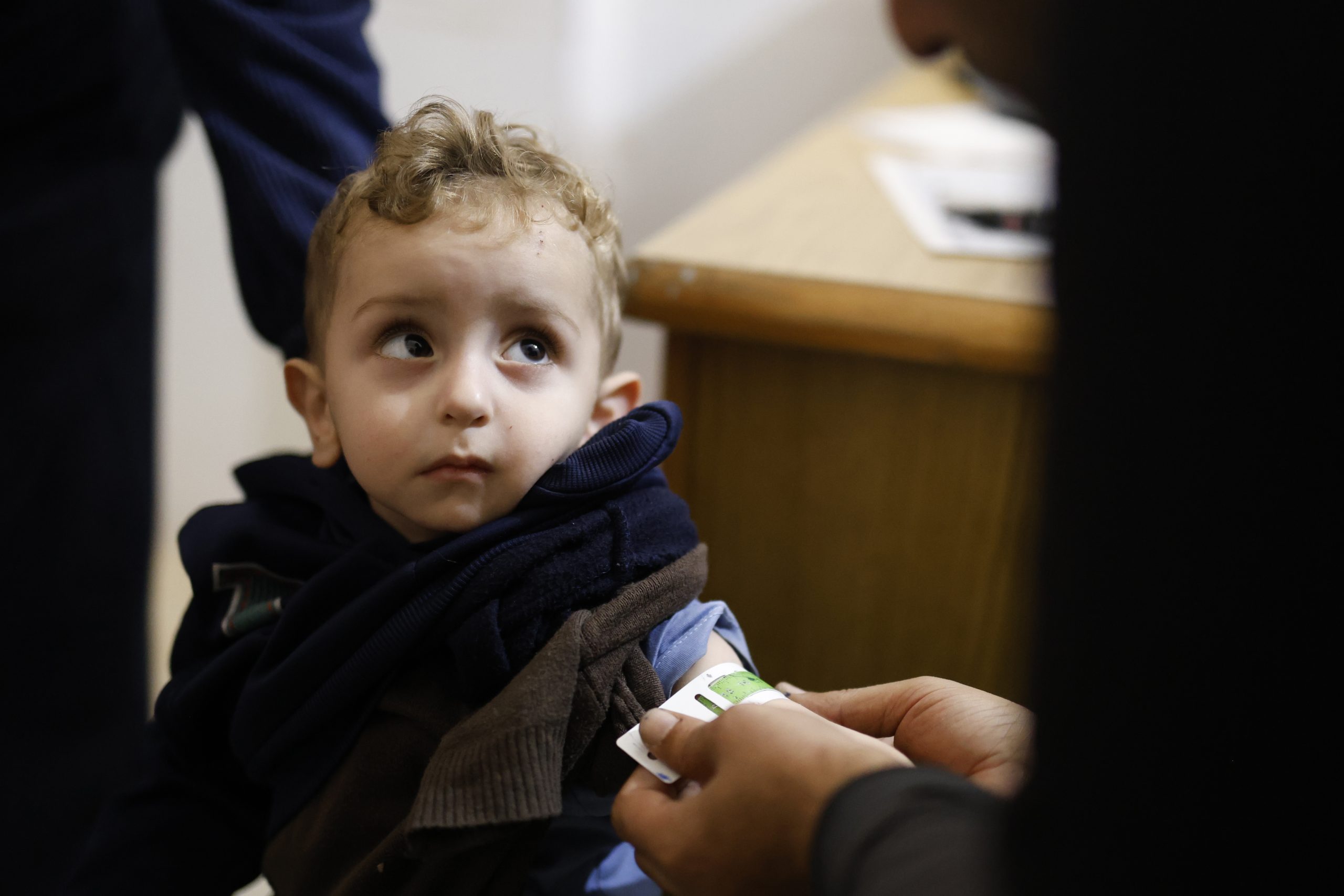
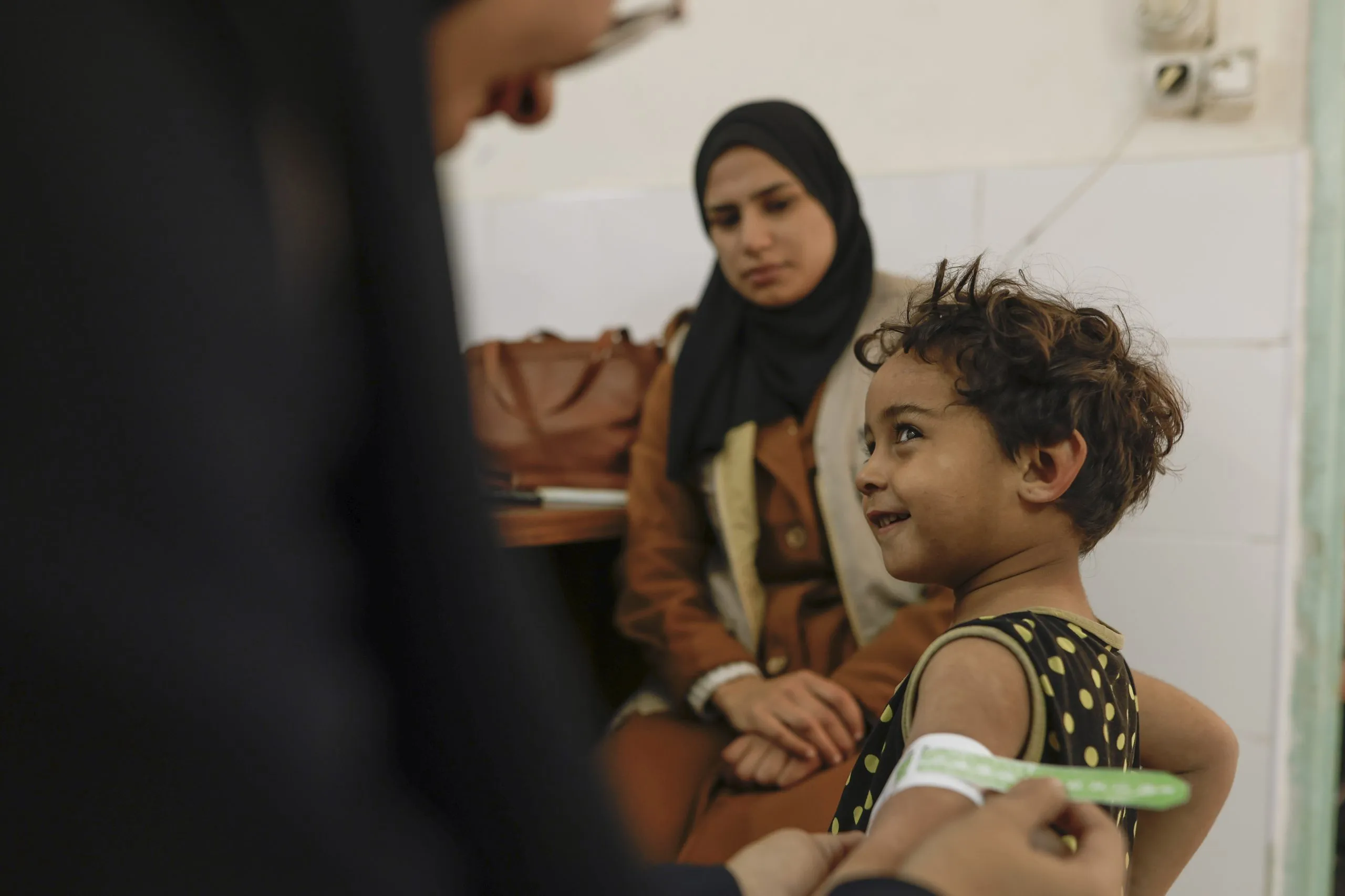
Saba met Lujain three months before this story was recorded. Her assessment established the visible clinical picture: a child who was underweight, anemic, and not eating enough.

“We cared for her, forming a partnership with the therapist to address both her mental and dietary needs.”

Saba Al-Najjar, Nutrition Officer

Nutritional care was necessary, and Saba provided it. She monitored Lujain’s intake and weight and supported her with the vitamins she needed. But food and supplements alone would not reach what was driving the decline. A child who stops wanting to eat after the death of a parent is not only short of calories. The loss of appetite, the loss of weight, and the loss of interest in school had arrived together, and they had a shared origin.

“We treated Lujain with love and respect,” Saba says. “We cared for her, forming a partnership with the therapist to address both her mental and dietary needs.”

Two specialties, one plan of care

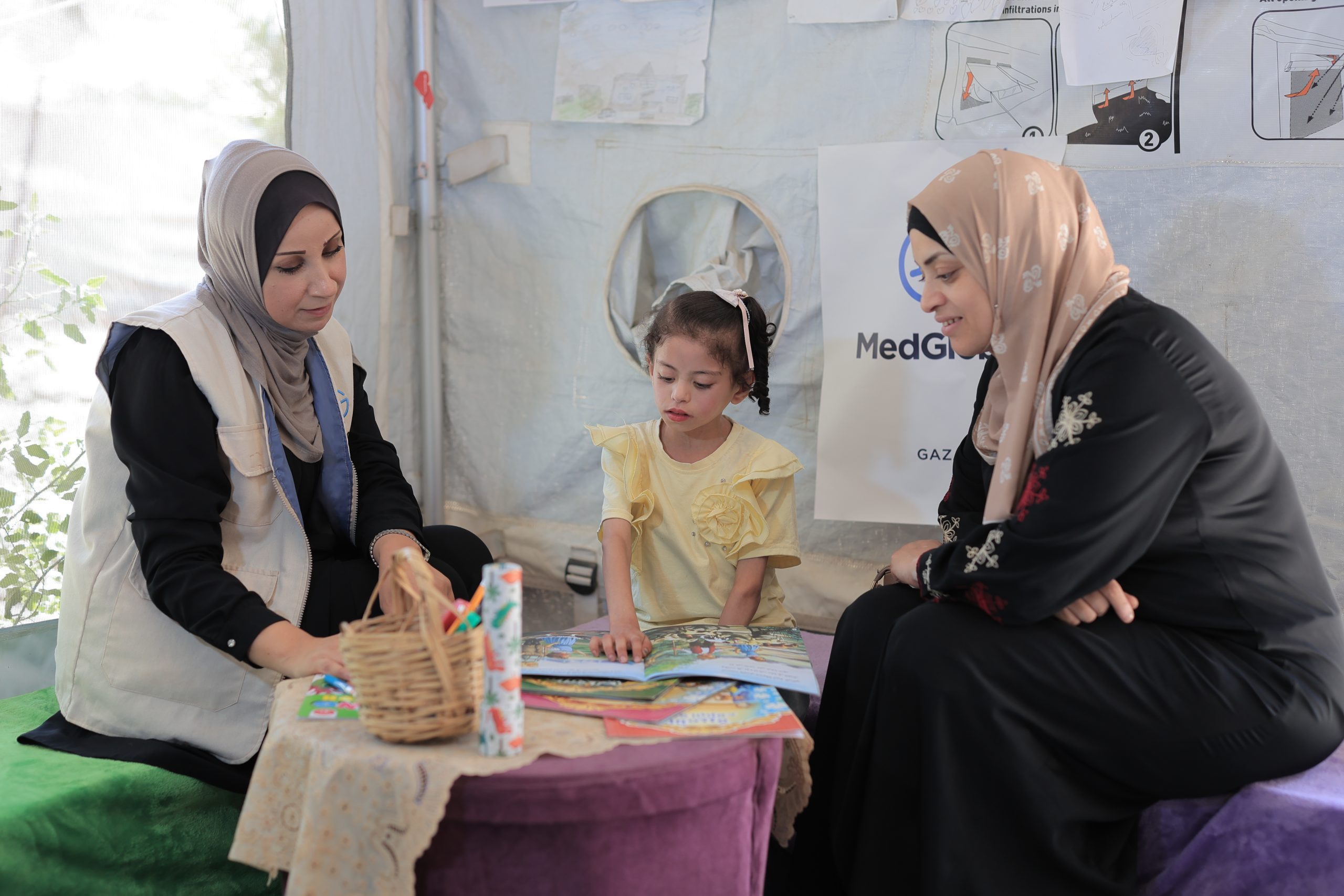
That therapist is Islam Al-Qernawi, a mental health and psychosocial support (MHPSS) worker. MHPSS is the term humanitarian programs use for counseling and structured activities that help people process distress, often in places where formal therapy is out of reach.

“We helped her process all she went through using drawings, reading stories, writing her own tales, poetry, and group support sessions.”

Islam Al-Qernawi, MHPSS Worker

With Lujain, Islam’s work took forms a child could step into. “We helped her process all she went through using drawings, reading stories, writing her own tales, poetry, and group support sessions,” she says.

None of these is a treatment on its own. Together, they gave Lujain ways to express what had happened to her that did not depend on being asked direct questions about it. Over time, the team worked to shift the dark thoughts Lujain carried about her father’s death, and about the violence surrounding it, toward better ones. Her mother was part of that work, supporting her daughter at home between sessions. “They advised me to follow up,” her mother says, and she did.

Meanwhile, Saba continued to track Lujain’s nutrition and physical recovery. The two did not work in sequence, with one handing off to the other. They worked in parallel, sharing what they were seeing, so that progress in one area could be read in light of the other.

Recovery in small signs

Over three months, the changes were gradual and specific.

Lujain began asking for meals. Her weight, in Saba’s words, “improved a lot” with treatment and the vitamins she needed. In sessions, she became more engaged. “She participates and responds more,” the team observed. “She follows rules and focuses more at school.”

None of these signs belongs to a single specialty. A request for food is a nutritional event and a psychological one. Improved concentration reflects a body receiving what it needs and a mind less occupied by grief. This is why the moment Lujain asked for a meal carried such weight for the people caring for her. It was evidence that the two arcs of her recovery were moving together.

Why integrated care matters

Lujain is one child, and her experience should not be read as a description of every child in Gaza. But her case illustrates something clinicians in conflict settings encounter often, and that health services are not always organized to handle: physical and psychological needs that arrive as a single problem, presenting first through whichever symptom is easiest to measure.

What made the difference in Lujain’s care was not a new tool or technique. It was two health care workers recognizing that what each of them was seeing formed part of the same picture, and coordinating their care around it. A nutrition officer who notices that a child’s weight loss began after a bereavement has a colleague to turn to, and that colleague works alongside her rather than after her.

What changed

Recovery is a process, not an event. Lujain and her family are still displaced, living in a school. That has not changed. What has changed is that she eats, she draws and writes, she takes part, and she can concentrate in class.

“Lujain’s case is a true success story for us,” Saba says. Three months ago, her decline was recorded in numbers that told only part of the story. The rest was what the numbers could not show, and what two people caring for her chose to see together.


MedGlobal in Gaza

MedGlobal is an international medical humanitarian organization that delivers emergency care, strengthens health systems, and builds local capacity in crisis-affected and underserved communities. Around 95 percent of its program delivery is carried out by local staff, working alongside national health workers and ministries of health.

In Gaza, where hospitals are non-functional or only partially functional, MedGlobal supports two maternity hospitals and provides a high volume of sexual and reproductive health services. Mental health and psychosocial support is treated as a core part of that work rather than an added service: it is integrated into medical points and primary care, and delivered through dedicated programs for children, adolescents, and conflict-affected families. Lujain’s care took place within this model, where a nutrition officer and a mental health worker could reach the same child through the same door.

Care like this depends on people who choose to stand with families in Gaza. Your support helps keep nutrition and mental health services running for children like Lujain. Learn more about how you can support our work in Gaza.
Screenshot 2026-06-18 at 14.04.29
GazaLatestUpdates

New Report: Rats and Insects Spread Disease and Suffering in Gaza

FOR IMMEDIATE RELEASE:
June 30, 2026

MEDIA CONTACT:
Lucy Carradine, [email protected]


Gaza NCD – Press Release
GazaUpdates

“Silent Crisis”: New Report Spotlights Collapse of Chronic Disease Care in Gaza

MEDIA CONTACT: 
[email protected]; 504-351-7635
Lucy Carradine, West End Strategy Team 


Rafah_Land_Port_001
GazaUpdate

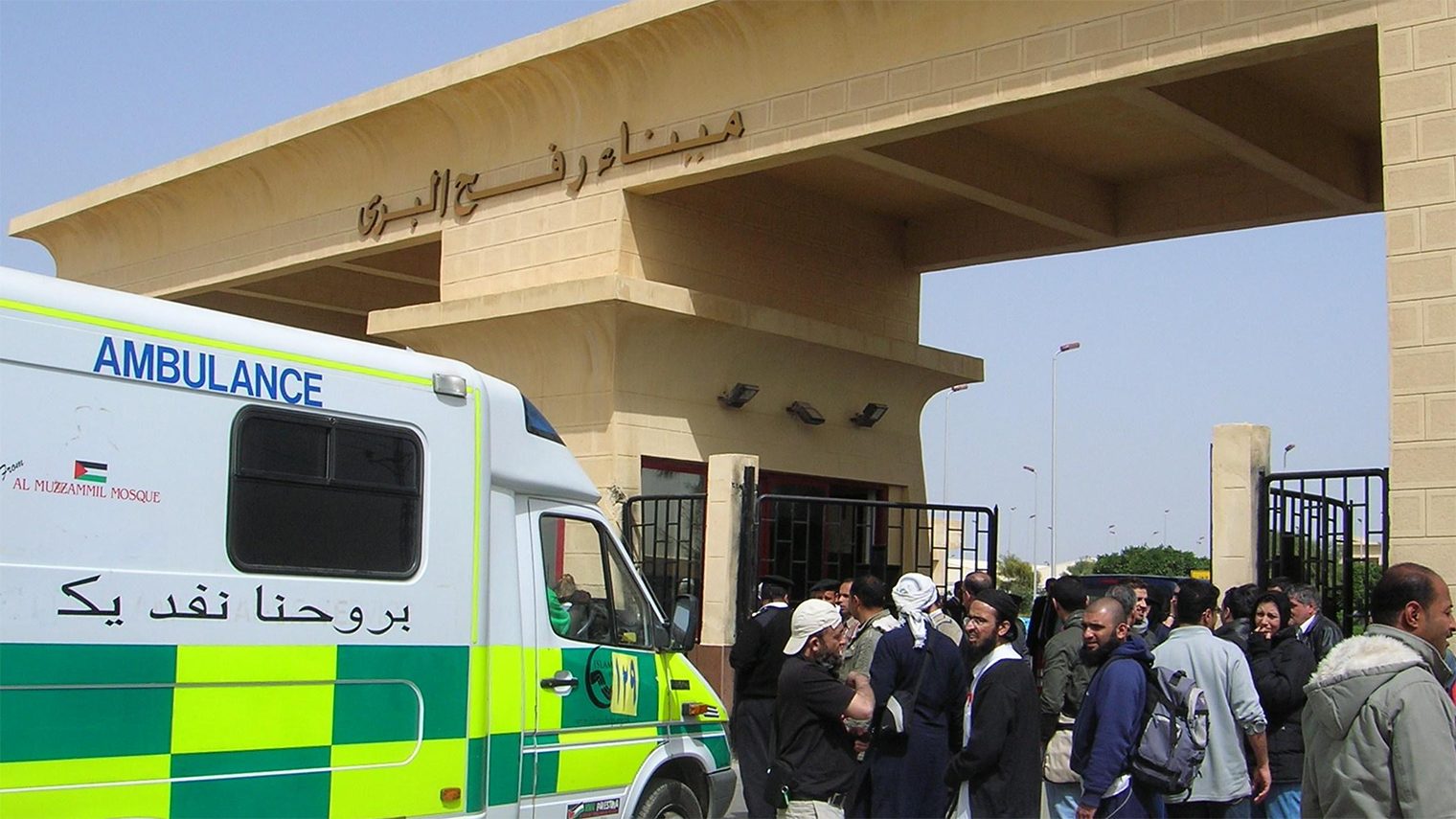
MedGlobal Welcomes Limited Re-Opening of Rafah Crossing: Must Lead to Major Scale-Up of Aid Deliveries and Medical Evacuations 

MedGlobal, one of the leading humanitarian organizations providing medical care in Gaza, today welcomed the long-awaited, though very limited, re-opening of the pivotal Rafah crossing between Gaza and Egypt, which had been effectively closed for nearly two years following Israel’s seizure and occupation of Rafah.

If fully implemented, the re-opening of the crossing as currently announced would allow for a limited number of medical evacuations. While this limited re-opening is a welcome first step in the right direction, ultimately the Rafah crossing must be fully opened for unrestricted entry of humanitarian aid, humanitarian personnel and medical evacuations of all civilians in need of treatment abroad. Hundreds of thousands of Palestinians in Gaza continue to suffer from inadequate access to food, medicines and medical care. 18,500 injured and sick patients continue to await evacuation to receive urgently needed medical care outside of Gaza, and they must be given immediate priority to exit safely.

“The closure of the Rafah crossing for nearly two years has been disastrous for Palestinian civilians and the humanitarian community – cutting off one of the most important and effective supply corridors and evacuation routes for the injured,” said Joseph Belliveau, executive director of MedGlobal. “The full re-opening of the crossing could be transformational for the people of Gaza, provided it is not hampered by arbitrary or excessive restrictions. Aid groups, including MedGlobal, have been providing essential care with insufficient supplies, and patients requiring medical evacuation have died waiting for passage.”

MedGlobal’s teams in Gaza continue to report that humanitarian needs remain dire and that stocks of key medical supplies remain dangerously low or nonexistent – including antiseptic, gauze, antibiotics, and painkillers. These gaps have compromised quality healthcare for too long. During the winter season, MedGlobal staff have documented an increase in upper respiratory tract infections and the spread of diarrheal diseases from flooded latrines. Many families continue to live in tents that offer too little protection against strong winds and cold. Infant deaths have been reported due to extreme exposure and cold. Medical personnel continue to face heavy restrictions on entry and access to Gaza, with many denied entry for no clear reason.

“Even amidst ceasefire, the people of Gaza continue to face tremendous hardships while their healthcare system lies in ruins,” said Dr. Zaher Sahloul, president and co-founder of MedGlobal. “We need every option possible to provide the medical and humanitarian care they need and deserve. MedGlobal urges all responsible authorities to do everything possible to ensure that Rafah becomes the lifeline it can be.”

MedGlobal has operated in Gaza since 2018, and since the start of the conflict the organization has been at the forefront of delivering lifesaving services and nutritional support, supplying essential medical equipment, and training local healthcare workers, while bringing numerous volunteer international healthcare workers into Gaza to assist local teams. The organization’s August 2025 report, “Starved by Siege,” documented how the near-total blockade and obstruction of food into Gaza drove a “man-made crisis” of acute malnutrition, especially among women and children. At the time, MedGlobal’s data assessment found that 16.8% of children under five in Gaza were experiencing acute malnutrition.


MedGlobal is a humanitarian nonprofit organization that provides emergency response and health programs to build resilience among vulnerable communities around the world. The organization’s health programs support victims of crisis and conflict, refugees, internally displaced persons, and marginalized communities in disaster-affected and low-resource settings. 

Screenshot 2026-02-19 at 01.41.40
GazaPress

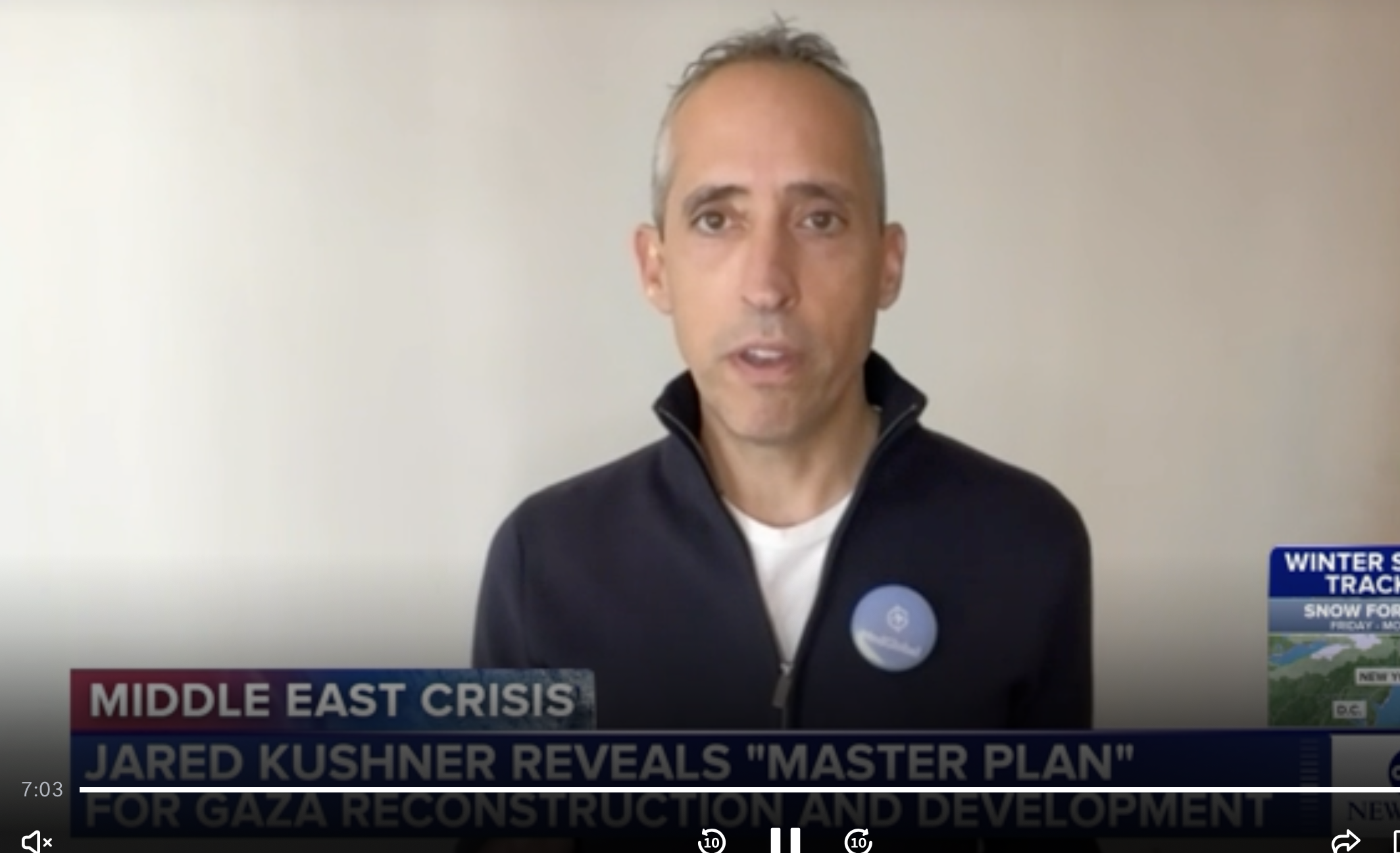
MedGlobal Executive Director Joseph Belliveau speaks to ABC News on extreme humanitarian needs in Gaza

In a video interview aired by ABC News, Joseph Belliveau, Executive Director of MedGlobal, discusses the “extreme, humanitarian needs” facing civilians in Gaza, noting how limited aid and ongoing violence are intensifying the crisis. His remarks underscore the urgent need for increased support, protection for health services, and sustained humanitarian access

Gaza_MG_17
GazaLatest

US Withdrawal from WHO is A Major Blow to Global and American Health 

For Immediate Release – January 23, 2026 | Contact: Prapti Ajmera, [email protected], +1 202-867-5231 

CHICAGO, IL— MedGlobal, a major humanitarian organization that provides emergency medical response and health programs to support vulnerable communities around the world, is deeply concerned by the United States’ completion of its withdrawal from the World Health Organization (WHO), exactly one year after the Trump Administration announced its intention to withdraw.  

“The withdrawal of the United States from the WHO will have terrible consequences for global health, including for Americans here at home,” said Dr. Zaher Sahloul, president and co-founder of MedGlobal. “The WHO plays an irreplaceable and critical role in addressing health crises, diseases, and pandemics, which know no borders. The absence of American leadership and funding will severely weaken the global health community’s ability to respond effectively to emergencies and to keep people safe.” 

The WHO has been instrumental in coordinating global responses to health emergencies such as COVID-19, HIV, Ebola, and Zika, and eradicating Smallpox. The United States has been the largest financial contributor to the WHO, donating $1.28 billion to the 2022-2023 biennium. This funding has supported vital programs addressing polio eradication, disease surveillance, pandemic preparedness, and health crises in major global conflict zones, including in Sudan, Gaza, Syria, Yemen and many other areas. 

The completion of the withdrawal from the WHO follows on other steps taken by the U.S. government to step back from or reduce key global aid bodies and funding commitments that have historically helped to save lives and reduce suffering and increase stability for tens of millions of people. These steps only serve to exacerbate instability, weakening global collaboration and security in a way that undercuts U.S. national interests.  

“While the U.S. has the resources, vision and technical know-how to act as a major global health leader, we instead see it abandoning critical health and humanitarian responsibilities,” said MedGlobal’s Executive Director Joseph Belliveau. “Even now, it’s not too late to change course – we urge the U.S. government to recognize that isolating the U.S. from the broader global health community will have harmful impacts for Americans and the wider world.” 


MedGlobal is a humanitarian nonprofit organization that provides emergency response and health programs to build resilience among vulnerable communities around the world. The organization’s health programs support victims of crisis and conflict, refugees, internally displaced persons, and marginalized communities in disaster-affected and low-resource settings. 

d7c259db-7b0f-4cfb-b7fc-2cca98a3b077
GazaNewsPress

Amid a Spike of Severe Malnutrition in Gaza, 1/5 of Gaza Hospitals Attacked In Past Week 

FOR IMMEDIATE RELEASE 
May 21, 2025 

MEDIA CONTACT: 
Logan Bayroff, West End Strategy Team 
[email protected] | 516-965-5159 

Amid a Spike of Severe Malnutrition in Gaza, 1/5 of Gaza Hospitals Attacked In Past Week 

Kamal Adwan hospital the latest to be put out of service  

In Northern Gaza, Kamal Adwan hospital was put out of service today, including MedGlobal’s malnutrition treatment clinic, as Israeli forces and drones surround the area. The hospital building was already severely damaged from Israeli attacks last fall, leading MedGlobal to set up a tent clinic in the courtyard to resume lifesaving services. Over the past year, the clinic has conducted nutrition screenings for over 14,000 children under the age of five. Today’s attacks have now shuttered this last lifeline for the community. 

Across Gaza, a months-long aid blockade is causing a sharp rise of acute malnutrition in children and adults, while recent multiple attacks on 1/5 of the still-operational hospitals in Gaza extinguish access to vital life-saving medical care.  

At least one in five people in Gaza, over 500,000, do not have enough food to meet basic nutritional requirements, with thousands of babies and young children at particular risk if full and extensive aid deliveries are not swiftly resumed. The malnutrition prevalence rate has tripled since the blockade , rising from 2.4% in February to 6.1% in May. 70,000 children now suffer from acute malnutrition, many of whom are being treated in MedGlobal-supported therapeutic nutritional centers. The partial resumption of aid deliveries  this week is nowhere near sufficient to reverse the trend.  

“Right now, 70,000 children suffer from acute malnutrition – a death sentence for their bodies and minds,” said Dr. Zaher Sahloul, president and co-founder of MedGlobal. “The damage is permanent: stunted growth, crippled immunity, and brains that will never fully develop. These children will struggle to heal, to fight diseases, even to survive. Their stolen potential weakens entire communities for generations.” 

As the need for medical care grows more acute, MedGlobal and its humanitarian aid partners are again experiencing the targeting and closure of hospitals and healthcare facilities.  

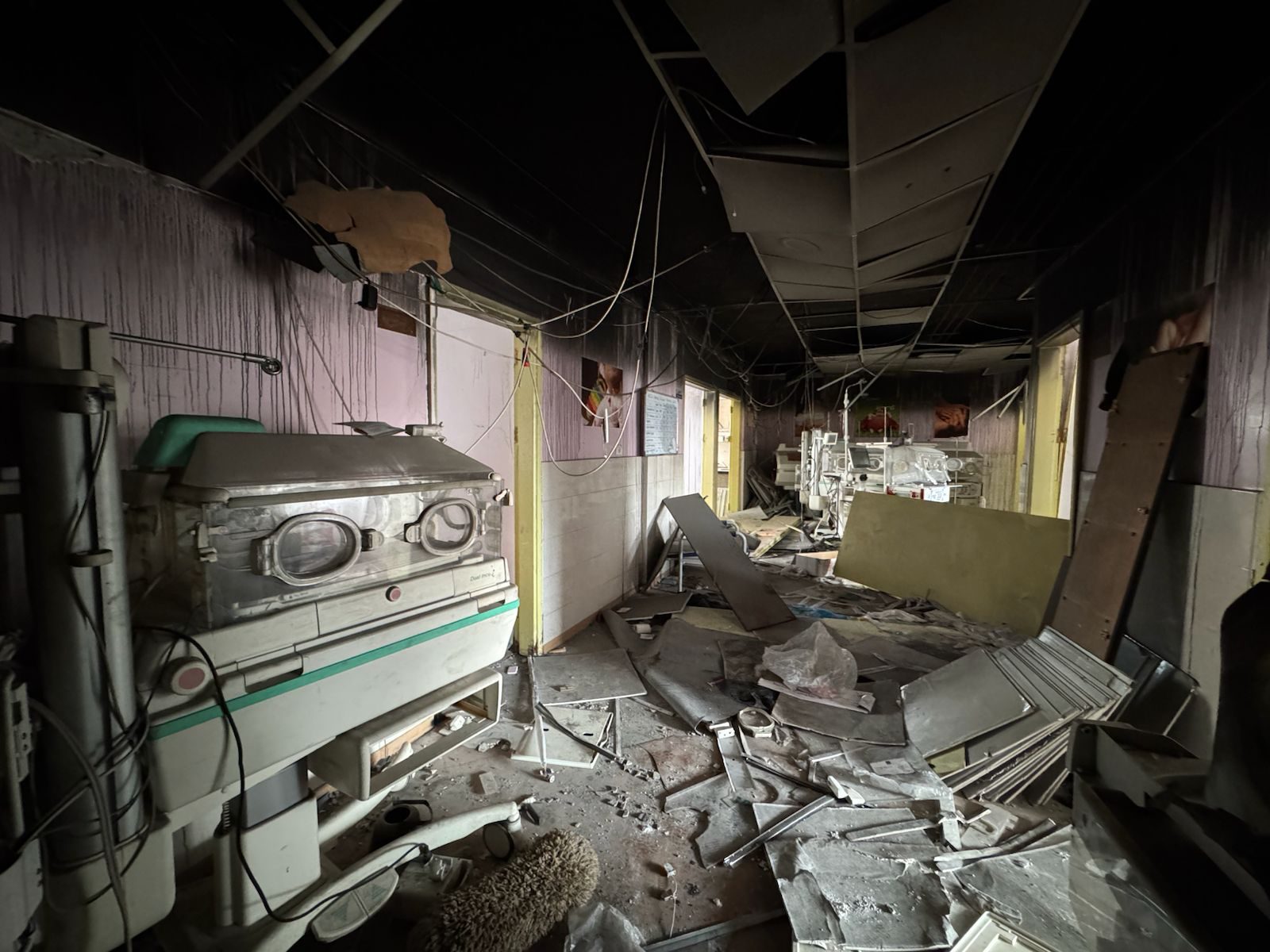
The closure of Kamal Adwan Hospital follows other recent attacks on several of Gaza’s remaining hospitals. In just over a week, five of Gaza’s remaining 22 functional hospitals came under attack. Last week, Israeli strikes hit both Nasser hospital  and European Hospital – the two main hospitals in Khan Younis. It was the second attack on Nasser Hospital within two months. The attacks shut down European Hospital – the only remaining cancer treatment facility in Gaza, impacting 10,000 cancer patients. ICU, NICU and emergency care services at the hospital have also been lost.  

This week Indonesian Hospital was attacked and surrounded by Israeli forces, forcing a suspension in services. An attack on Nasser Hospital damaged a medical warehouse, destroying WHO supplies. Airstrikes  hit Indonesian hospital’s generators, sparking a fire and damaging its main power supply. Nearby Al-Awda Hospital also faced fire from drones and was shelled. It is the last functional hospital for North Gaza, but WHO now reports it is at risk of closure. 

“Hospitals are protected spaces under international law. These multiple attacks in recent days are blatant violations, and they are not only deadly in the first instance, but leave a long wake of death behind them as people have fewer and fewer options to receive life-saving health care,” said Salwa Al-Tibi, MedGlobal’s Gaza Country Director. 

Only 20 out of Gaza’s 36 hospitals remain partially functioning. Roughly 20 percent of Gaza’s remaining hospitals have been attacked or besieged in the past ten days. 

 “Every day we are losing more basic services and treatment facilities, including malnutrition care facilities that are desperately needed amid growing starvation,” Al-Tibi said. “Full delivery of aid must be resumed, our hospitals and treatment points must be allowed to operate, and people must be given free movement and safe passage to reach these facilities to receive care.”  

### 

About MedGlobal 

MedGlobal is a humanitarian nonprofit organization that provides emergency medical response and health programs to build resilience among vulnerable communities around the world. The organization’s health programs support victims of crisis and conflict, refugees, internally displaced persons, and marginalized communities in disaster-affected and low-resource settings. 

images-3
Breaking NewsGazaNewsPress

TRAGIC LOSS OF MEDGLOBAL AHMED ELKLOUT IN GAZA ATTACK

We are heartbroken and infuriated at the brazen killing of our colleague Ahmed Elkhlout in northern Gaza on November 29. Ahmed, a nurse with MedGlobal, was walking to start his next shift at Kamal Adwan hospital when a helicopter gunship opened fire at approximately 10:30am. Ahmed did not survive his injuries in part because emergency responders could not reach him as their ambulance also came under fire. Ahmed had worked with MedGlobal since May this year. He is survived by his wife and five children to whom the MedGlobal family offers its deepest condolences.

MedGlobal is providing medical care to thousands of people in Gaza under the most extreme conditions of violence and deprivation. Our people and the community we serve witness and experience blatant, inhumane and severe violations of International Humanitarian Law (IHL) – the most basic rule of which is protecting civilians in war – every day. These are crimes and we appeal in the strongest possible terms for the Israeli military and its supporters to end the bombings and the siege that are killing civilians, including children, women and healthcare workers like Ahmed.

We use cookies

We use cookies to improve your experience on this website. You may choose which types of cookies to allow and change your preferences at any time. Disabling cookies may impact your experience on this website. You can learn more by viewing our Cookie Policy.