logotype

Contacts

Registered Address:

MedGlobal,
10604 Southwest Highway, Suite 107
Chicago Ridge, IL 60415 USA

Checks:

MedGlobal,
1801 Hicks Road, Suite D,
Rolling Meadows, IL 60008

Zelle:

MedGlobal Inc
[email protected]

Copyright 2026  MedGlobal

Category: Country

WhatsApp Image 2026-08-14 at 4.31.43 PM (1)
ColombiaLatestUpdate

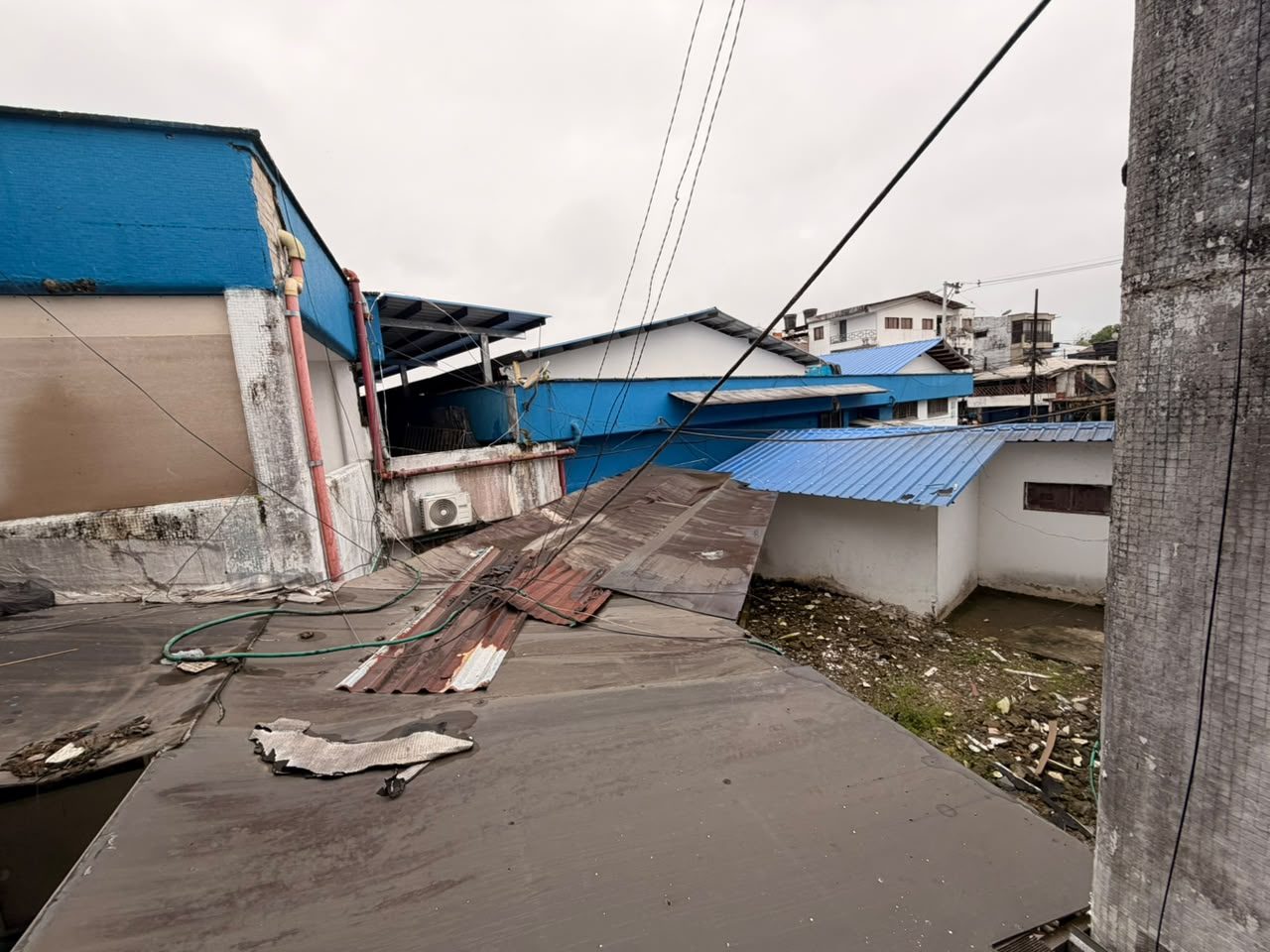
MedGlobal Responds to the Colombia Earthquake with Emergency Medical Care

Following the devastating earthquake in Colombia, MedGlobal mobilized to support affected communities and help meet urgent healthcare needs.

The earthquake affected more than 135,000 people, disrupting communities and placing additional pressure on local health services. In the aftermath of a disaster, access to timely medical care can become increasingly difficult as families face displacement, damaged infrastructure, and interruptions to essential services.

MedGlobal’s response focused on reaching affected communities with medical support while working alongside local healthcare professionals and partners on the ground.

What Happened in Colombia?

The earthquake struck communities already facing challenges in accessing healthcare, leaving thousands of people affected and increasing the need for medical and humanitarian assistance.

Earthquakes can create health needs that extend far beyond the immediate injuries caused by the disaster. People may lose access to medications and routine treatment, health facilities can become overwhelmed or difficult to reach, and displaced families may face new health risks in the days and weeks that follow.

For vulnerable and remote communities, these disruptions can be particularly serious.

How Is MedGlobal Responding to the Colombia Earthquake?

Following the earthquake, MedGlobal worked to assess health needs and support affected communities with emergency medical assistance.

Our approach to disaster response is built around working with local healthcare professionals and organizations, ensuring that assistance responds to needs identified by the communities themselves.

By supporting locally led response efforts, MedGlobal can help address immediate healthcare needs while strengthening the capacity already present within affected communities.

Reaching Communities Where Healthcare Is Hardest to Access

Natural disasters do not affect everyone equally.

For people living in remote or underserved areas, accessing healthcare may already require traveling long distances. When an earthquake damages roads, infrastructure, homes, or health services, those existing barriers can become even greater.

This is why reaching communities with limited access to healthcare is an important part of MedGlobal’s emergency response.

Our teams and partners work to bring medical care closer to people who need it, prioritizing communities where existing health disparities can make the consequences of a disaster even more severe.

Emergency Response That Supports Local Healthcare

MedGlobal believes effective humanitarian response should strengthen, rather than replace, local capacity.

Local doctors, nurses, health workers, community organizations, and authorities are often the first to respond to a disaster, and they remain long after international attention moves elsewhere.

MedGlobal works alongside these local partners, combining emergency medical expertise with local knowledge to help communities respond, recover, and prepare for what comes next.

This is part of our broader commitment to locally led humanitarian healthcare and stronger health systems.

Standing With Communities in Colombia

Recovery from an earthquake does not end when the immediate emergency is over.

Families may continue to need healthcare, shelter, essential supplies, and support as they rebuild their lives. Health systems may also need time and resources to recover from the additional pressure created by the disaster.

MedGlobal remains committed to supporting communities affected by emergencies and ensuring that people facing crisis can access the healthcare they need.

From the first days of an emergency through recovery, our goal remains the same: to save lives today while helping build stronger healthcare for tomorrow.

CountryUpdate

Tackling COVID-19 Misinformation in Lebanon: Increasing Vaccine Access & Awareness for Syrian Refugees

[vc_row][vc_column][vc_column_text]By Valerie Nguyen, MedGlobal Policy Intern

More than 10 years of conflict in Syria has led close to 12 million Syrians to flee the country in search of safety, shelter, and opportunity. At least half of those who fled have relocated to neighboring countries, including Lebanon, which hosts the largest number of Syrian refugees at an estimated 1.5 million people, or over 20% of the total Lebanese population. Since the COVID-19 pandemic began, vulnerable populations in Lebanon have faced a multitude of challenges, including a worsening financial crisis and the Beirut port explosion, which has exacerbated circumstances for Syrian refugees. 

Despite the inclusive approach Lebanon intended to adopt at the beginning of the COVID-19 vaccination rollout, refugees and internally displaced people (IDPs) in Lebanon face challenges in accessing the vaccine and are also hesitant to become vaccinated. Throughout the pandemic, there has been a level of distrust among Syrian refugees concerning the Government of Lebanon and subsequently, the Ministry of Health. Due to Lebanon’s strict residency policies, Syrian refugees informally living in Lebanon live in fear of arrest, detention, and deportation. Misinformation on COVID-19 spread online through social media platforms, has also contributed to the distrust of Lebanese government entities, reducing the number of eligible Syrian refugees to register for vaccinations. 

According to a survey from the Iman Medical Center at the Ministry of Public Health in Lebanon, almost 37% of non-Lebanese respondents reported that they did not think the vaccine is safe and only 23% of non-Lebanese respondents said they are willing to take the vaccine. In addition, only 3% of the total Syrian refugee population pre-registered on the online vaccination platform, indicating low levels of confidence in the vaccine.

As of June 13th, 2021, more than 1,659,000 individuals are registered on the COVAX  vaccination platform, IMPACT, of which only 42,000 Syrian refugees are registered. In response to the low vaccination rate and spread of COVID-19 misinformation, MedGlobal implemented a program to register Syrian refugees for vaccination and also administer vaccines in the Bekaa region. In partnership with Multi-Aid Programs (MAPs) and the United Nations High Commissioner for Refugees (UNHCR), the program aims to vaccinate 5,000 Syrians and register up to 15,000 Syrians online for vaccination. Our partner, MAPs, will communicate the project objective in their social clinics and offices to spread awareness to candidates who wish to be vaccinated, and the UNHCR will provide a clearance of each registered patient by medical staff and provide the AstraZeneca vaccine. MedGlobal’s Lebanon Logistics and Procurement Coordinator, Radiah Saleh, says that the main aim of the collaboration is to raise awareness among the Syrian refugee community, increase the number of COVID vaccinated cases, and establish a strong coordination and oversight mechanism between partners.

Most Syrian refugees live in high-density camps with poor access to water, sanitation, and hygiene services, leaving them at high risk of contracting COVID-19. Already, data provided by the United Nations shows that Syrian refugees have died from COVID-19 at a rate 3 to 4 times the national average. MedGlobal’s Program Manager, Dr. Tania Baban remarked that this project will not only help speed up the vaccination roll-out amongst the refugee population, but also help decrease the amount of hesitancy that has arisen from the spread of misinformation about the vaccine side effects. [/vc_column_text][/vc_column][/vc_row]

CountryUpdate

Addressing Health Disparity in Yemen: A Q&A on Our Mobile Teams Program

After more than six years of conflict, Yemen remains the world’s worst humanitarian crisis. Millions of people lack access to basic health care, and less than half of the country’s health facilities are fully functional. Over the course of the pandemic, healthcare needs have increased due to widespread acute malnutrition, ongoing conflict, poverty, and COVID-19 itself. 

To address the multitude of needs across communities in Yemen, MedGlobal launched a Mobile Health Teams program in late April 2021. These Mobile Teams deliver primary health services to underserved, hard-to-reach areas in the Al Shamayateen and Al Mozea districts of the Taiz governorate. In coordination with local health facilities, the mobile teams provide consultations, lab work, medications, and follow-up care to households that lack access to health services. 

Dr. Mohammed Abass, MedGlobal’s Middle East and North Africa (MENA) Regional Program Manager and former Yemen Program Manager, recently answered questions about the current health needs in Yemen and how MedGlobal is working to address them.

The people of Yemen have suffered for over 6 years, and more than 80% of the population is in need of humanitarian assistance. Could you describe the realities of the health sector and what this situation is like for the Yemeni people? 

Yemen has become a living hell for its people. Insecurity, protracted displacement, lack of basic services, and the risk of a large-scale famine are some of the biggest challenges. The doubling of fuel prices has increased the cost of irrigation and water, affecting many hospitals and forcing more farmers to abandon their farms, further exacerbating the loss of livelihoods.

In the health sector, 273 districts are classified as acute. Only 51% of health facilities across the country are fully functional and those that are operational lack specialists, equipment, and medicines. Immunization coverage has decreased by 20-30% since the conflict started. Most of the population lacks access to health care due to the destruction of health facilities in their areas or from a lack of financial resources.

In addition, for the past two years, flooding has devastated southern communities and fueled the spread of deadly diseases including cholera, dengue, malaria, and diphtheria. Of the threats facing Yemen, perhaps none is as cataclysmic as COVID-19, which has been present since March – spreading unmitigated and unchecked across the country. Now, with the continued spread of COVID-19 infections, Yemen is facing an emergency within an emergency.

Throughout the country, there is a severe lack of access to health care, especially for those living in poverty-affected and rural areas. Can you speak about the health needs in hard-to-reach areas and how MedGlobal’s mobile teams are having an impact in these communities?

I still remember one instance while performing a needs assessment for the MedGlobal Emergency Health Project in Ashymaitain. The facility was at the top of the mountain, with only one health worker present and one health room functioning. During our visit, I noticed there was no medicine or medical supplies in the health facility. 

At 11:00 am, an older woman came with a child on her shoulder. The child was about a year and a half years old, suffering from severe ear pain with large amounts of pus discharge coming from the ear. The mother was completely exhausted and asked the health worker to treat the child. The health worker replied that there was no medication available to help them. The woman felt very sad, so I began asking her a couple questions. She said to me that she started her journey from her village at 7:00 am, walking four hours to reach the health facility to treat her child. She then had to walk back four hours to her village without the medicine she came for.

The public health system in Yemen is majorly supported by humanitarian actors whose ability for large scale intervention has been strained over the last two years. People in rural, hard-to-reach communities only depend on humanitarian assistance and small-scale agriculture. For the last five years, priority has been placed on cholera prevention, minimum services package (MSP) control, and maternal and child health interventions. 

MedGlobal’s mobile teams save the lives of affected IDPs and host communities through provision of MSPs, which were designed to improve access to health services at targeted health facilities. More than six IDP visit sites and host communities in the two priority districts of Taiz governorate were visited by our mobile teams in hard-to-reach areas.

Cuts to funding have resulted in the suspension of up to 300 health centers and forced NGOs to end their programs offering aid across Yemen. Can you describe the challenges to provide healthcare, especially within the midst of the COVID-19 pandemic?

Due to current conflict and funding cuts, the health system was impacted enormously as a result of limited financial resources to support health facility operation costs. In addition, there was no new recruitment of health workers because no wages or salaries were distributed to existing health workers over the past year. These issues resulted in very limited health workers – a negative impact to the overall services provision and primary health care program.

What are the greatest needs you see among the Yemeni population? 

The biggest needs at the moment include:

  • Support for the collapsed health system
  • Food assistance and/or unconditional cash grants for many displaced and affected families
  • Maternal and child healthcare
  • Shelter for the IDP camps 
  • Training and motivation of health workers, especially in rural, hard-to-reach communities
  • Water sanitation and hygiene (WASH) interventions to prevent future outbreaks of waterborne diseases
CountryUpdate

Care for Los Caminantes: MedGlobal’s work at Los Patios Medical Clinic

By Emma Ackerman, MedGlobal Communications & Advocacy Intern

The Venezuelan migration crisis is the largest external displacement crisis in South America, and the second largest in the world. Since 2015, an estimated 5.6 million Venezuelan people, 10% of the total population, have fled the country. These Venezuelan migrants are known as “Los Caminantes”, or “the walkers,” as most travel distances of up to 3,500 km on their route to neighboring countries almost entirely on foot. According to a special representative of the UNHCR, “Never in our history in Latin America have we faced such movement of people out of a country that was one of the richest in the region and a country that is not at war.”

Venezuela currently faces a myriad of humanitarian disasters involving the joint failure of political, economic, and healthcare systems on all levels. Venezuela’s already unstable economy has been crippled by COVID-19 and has seen a 3,012% inflation increase in 2021. Purchasing power of individual households has also continued to plunge. In 2021, the monthly minimum wage in Venezuela could purchase under 1% of the basic food basket in comparison to October 2020. Intersecting crises drive migratory flows from Venezuela to surrounding Latin American countries. As of December 2020, Colombia hosts 1.8 million displaced Venezuelans, more than any other country in South America. At least 49% are women. 

Alongside economic collapse, the healthcare system has taken severe blows. It is difficult to quantify the impact of the Venezuelan economic crisis on public health, since no official statistics from the Venezuelan Ministry of Health have been published since 2016. However, available data suggests that both infant and maternal mortality have increased significantly since 2016 as availability of essential medications has severely decreased. Basic services such as food supply and clean water have also collapsed, as 59% of homes in Venezuela are unable to access nutritious foods, and 86% lack reliable access to clean water. Widespread food insecurity has contributed to the prevalence of acute malnutrition, a health issue most severely impacting Venezuelan children. In a recent “Monitoring of Acute Malnutrition and Family Food Security” report, it was found that 73% of cases of malnutrition were found in children under the age of five. Malnutrition has stunted an entire generation of Venezuelan children’s growth by 8-10 cm, and will impact their future cognitive development and emotional health. Internal unrest and systematic violations of human rights have also driven migration and have harmed the health of Venezuelan people. 

COVID-19 has also brought many closures of land borders and formal migration routes commonly used by los caminantes. These route closures have driven many to seek out informal, more dangerous paths to nearby countries, many of which are controlled by armed groups and human traffickers. Reports indicate that anywhere from 1,800 to 2,000 people have been leaving Venezuela daily over the last three months.

Dangerous environmental conditions and prevalence of respiratory diseases, insect borne diseases, waterborne diseases, sexually transmitted diseases, and hypothermia makes migration out of Venezuela dangerous and potentially deadly for all. Clean water, sanitation services, and hygiene products are all extremely difficult to come by. Vulnerable populations such as pregnant women and children are most likely to experience negative health outcomes and even death along these routes. Gender-based violence and grave violations against children are extremely common along informal migration routes. According to an International Crisis Group report from December, murder, forced sex work & sex trafficking, child sexual assualt, armed robbery, and child recruitment into armed groups have been well documented along the Venezuela-Colombia border. Robbery and transportation scams are also quite common, and families often lose their entire life savings after being robbed and left to walk or beg for rides along the migration route. Why do so many take the risk when the dangers are known? According to Francisco Rivas, it is because:

 “Hunger is stronger than border policy. It’s stronger than fear of COVID, too. These people have no choice, and neither do I. If I don’t cross, my family doesn’t eat.” 

In response to the many needs of los caminantes on routes from Venezuela to Colombia, the Colombian government has established way stations and health centers along the north-south route most commonly taken by los caminantes. MedGlobal was asked by the Colombian government to run the medical clinic supporting the Los Patios Migration Station (CASLP) in Los Patios, Norte de Santander, alongside a partner NGO. The medical clinic at Los Patios opened on April 15, 2021, and is the first health center on the los caminantes route passing through eastern Colombia to Bogota. Los Patios is the official “center of sanitary and transitory support to the migrants,” and offers a myriad of medical and health services coordinated by MedGlobal. These services include:

  • Medical evaluation and care
  • Dispensation of basic medication
  • Referral to hospital if needed
  • Evaluation and staging of pregnancy for pregnant women in the camp/ obstetrical services
  • Mental health screenings 
  • Food and kitchen access
  • Wifi access
  • Hygiene kits and WASH facilities
  • Legal and social services
  • Rapid COVID-19 testing
  • COVID-19 contact tracing services

Los Patios receives mainly women and children, especially children travelling alone. MedGlobal Colombia staff members and medical volunteers provide continuous care for all in need and fill many existing gaps in health care services. According to Colombia Program Manager Angela Restrepo:

“Since April, we have become vital for health operations at camp. We are the only ones who are providing consultations from Monday to Friday and two Saturdays per month. We also have a record of almost 400 medical consultations, 400 prescriptions dispensed, and about 1,000 COVID-1919 test services provided to the population entering into the camp.”

In February 2021, the Colombian government granted temporary protective status (TPS) to 1.7 million Venezuelans living in Colombia, making great strides toward ensuring protection and access to health care for this displaced population. This is especially critical, as los caminantes have often been without access to much-needed health care even upon reaching Colombia. Approximately 50% of patient consultations and medical services available to los caminantes are offered by NGOs such as MedGlobal. It is critical to continue supporting los caminantes – through the promotion of their rights, through global support for this protracted humanitarian emergency, and through access to comprehensive health care. 

CountryUpdate

Reaching the Hard-to-Reach: A Look at the Zogra Camp in Syria

By Emma Ackerman, MedGlobal Communications & Advocacy Intern

Conflict in Syria has brought 10 years of near constant threats of violence, destruction of health infrastructure, ongoing violations of international humanitarian and human rights law, poverty and economic crisis, and widespread displacement. The UNHCR reports that 6.7 million internally displaced people (IDPs) living in Syria will need humanitarian aid in 2021, a 600,000 person increase from 2020. Ongoing conflict and destruction of critical infrastructure has caused one the world’s worst, most pervasive humanitarian crises, which has only worsened during the COVID-19 pandemic.

MedGlobal works in Syria to address health and humanitarian needs, and has recently extended operations to support health programs in the Zogra IDP camp. Zogra is located 27 km (or 17 miles) from Jarablus, a town in the Aleppo province of northwest Syria – very close to the Turkish border. The camp first opened in March 2017 to receive residents of the al-Waer neighborhood of Homs City who were forcibly displaced after years of siege and armed conflict. Most had already been displaced within Homs multiple times. Zogra later received waves of IDPs from Eastern Ghouta and Idlib. Despite reports that Zogra was prepared to receive IDPs, the first to arrive found a ‘catastrophic situation’ where most had to spend the first night either on the ground or in the buses they had arrived in. Tents were delivered soon after, but bathrooms and water sanitation services remained nonexistent. According to a resident of Zogra, “If the pain and oppression had a voice, you could hear it in the Zogra refugee camp north of Aleppo.”

From a geographical perspective, Zogra is one of the most difficult camps to reach, resulting in a massive unmet humanitarian need among IDPs in the camp. MedGlobal Turkey Country Director Dr. Hala Alghawi recently travelled to Zogra camp on a trip that took over three hours. Lack of safe roads, lack of available transportation, and expense of travel to the camp from nearby locations such as Jarablus and Azaz contributed to the difficulty of travel to this hard-to-reach area. She estimates that as of June 2021, 15,000 people (or around 3,000 families) are living in Zogra camp. A recent needs assessment of Zogra camp conducted in August 2020 echoes many other accounts of dire humanitarian needs in Zogra, including: insufficient and infrequent distribution of food, unavailability of health care services amid increasing need, chronic unemployment, poverty, scarcity of fuel for heating & cooking, shortage of weather insulators, and lack of warm clothes. Insufficient water sanitation and sewage systems are still grave health concerns in Zogra. The toilets are essentially open pits that facilitate the spread of diseases and epidemics, especially during summer months. Food security remains one of the most pressing needs among IDPs in Zogra. In addition to the 2017 cholera outbreak, 10 cases of poisoning in children due to unclean water were reported in 2019. Despite the acute need for more comprehensive health care, health facilities in Zogra are rudimentary, consisting only of a single pharmacy, pediatric clinic, gynecology clinic, and general medicine clinic. These primary care services are the only form of medical care available in Zogra. If specialized services are needed, residents must make the long, arduous, and expensive journey into Jarablus, where they will then likely be referred to cities such as Al Bab and Azaz, another two-hour trip. Vulnerable populations – such as pregnant women, the elderly, chronic disease patients, people with disabilities, critical care patients, ophthalmic cases, cardiology cases, and other subspecialty needs patients – require the most specialized care, and are therefore at an even greater risk for negative health outcomes during displacement. While observing these hardships, Dr. Alghawi shard a poignant reflection:

“It is not the Syria which I grew up in years ago. It was emotionally very painful to see my people, children and elderly, live in these inhumane circumstances. They have to adapt and fight for a better future. They seek safety and dignity but unfortunately they got the [bare] minimum.”

Existing aid programs and health care services have lessened the suffering of IDPs since arriving in Zogra, but are very far from addressing the many pressing needs of this forgotten population, and do not erase the needless suffering that has already occurred. Dr. Alghawi has highlighted some of the largest gaps in current services:

  • Medication supply shortages, especially for chronic diseases
  • Lack of specialized health services less than 1.5 hours away from Zogra
  • No services or centers for children with learning disabilities 
  • No mental health & psychosocial support (MHPSS) services 
  • No sexual and reproductive health (SRH) awareness or education programs
  • No rehabilitation centers for physical and mental disabilities

MedGlobal operations in the hard-to-reach Zogra camp aim to build capacity in existing health facilities and address the needs of the most vulnerable. Just this past week, MedGlobal donated a six month supply of medication for acute pediatric cases and provided 650 patients suffering from non-communicable diseases with vital medications. Dr. Alghawi passed on this message from a field manager in Zogra Camp:

“May God reward you and bless you for the great effort made to visit the camp. You made their hearts happy and they felt that someone remembers and takes care of them.”

As of June 1, only 12% of the $628.6 million requested by UNHCR for the 2021 Syria Operation has received funding. The world cannot forget about the displaced people in Zogra. There are numerous opportunities for implementation of advocacy activities and health programs in Zogra, and even a small amount of funding will make a noticeable difference in the quality of care available to Zogra’s most vulnerable IDPs.

CountryUpdate

Gaza: Update from the Ground

May 24, 2021

After 11 days of violent hostilities, including airstrikes in Gaza that killed 248 Palestinians including 66 children, a ceasefire was reached on Thursday. However, thousands have been displaced from their homes, hospitals and health clinics have been destroyed, and more than 1,940 wounded people have little access to health care.

In an op-ed for The Guardian, our health team in Gaza described the devastation facing civilians and how the health sector is left to pick up the pieces: “Health workers tried to save as many lives as they could, though we did not have enough medicine, resources, or manpower to keep up with the rising number of injuries each day.”
Health care is more important than ever. Our health team in Gaza is working around the clock to assess the damage and greatest health needs. Help us reach those most in need in Gaza by supporting life-saving medical supplies, medications, and hygiene kits.

Health Sector in Crisis

Even before the bombardment began, over 1.6 million people were already in need of humanitarian assistance in Gaza. A longstanding blockade caused chronic shortages of medications. The recent second wave of COVID-19 added an additional burden.

During the bombardment, at least 9 hospitals and 19 primary healthcare centers were damaged in the airstrikes, 22 ambulances were damaged, and 83 health personnel injured. Two of Gaza’s most prominent doctors were killed in the airstrikes: Dr. Mooein Ahmad al-Aloul, one of the only psychiatrists & neurologists in Gaza, and Dr. Ayman Abu al-Ouf, head of the internal medicine department at Al-Shifa Hospital. We extend our deepest condolences to their families, medical colleagues, and the entire community. The loss of these two health leaders and medical specialists is immense.

Our Emergency Health Response

Over the weekend, our Gaza Program Director Raja participated in a field visit to the damaged health facilities to assess the impact of the bombardment. She visited several hospitals and health clinics, including the Al-Remal Healthcare Center, the largest primary health clinic in Gaza which houses the lab responsible for COVID-19 testing.

To support those most affected by the bombardment, MedGlobal is working to urgently provide medication, medical supplies, and hygiene kits. We are also coordinating with local medical providers to set up mobile health programs, so families can access health services in their homes. This is particularly important as so many health facilities are out of service, and road damage is obstructing access to the few hospitals that are open. We are assessing how to best support the rehabilitation of health facilities damaged in the airstrikes, so that access to health care is most widely available.

MedGlobal’s previous health work in Gaza includes support for the COVID-19 response through 722,000 PPE items to protect vulnerable health workers, critical medical supplies and medications, and a PCR machine to allow for rapid COVID-19 testing capacity. MedGlobal has also supported emergency pediatrics care, launched trainings for local nurses, and led health education campaigns to reach members of the community.

Donate to our emergency health response to support the people of Gaza.

For any media requests, please contact Kat Fallon, Director of Policy & Communications, at [email protected].

Country

Overlooked and Underfunded: Sudan’s Multiple Crises


Cover Image: UNHCR/Hazim Elhag

By Andrew Moran, MedGlobal Policy & Advocacy Intern

COVID-19 vaccination campaigns have begun among the world’s richest countries after months of buying up the majority of promising vaccines. Of the two vaccines that have been approved, all of Moderna’s vaccines and 96% of Pfizer’s have been bought by wealthy countries, leaving few for low income countries battling the virus. Humanitarian organizations have warned that only 1 in 10 people across 67 low and lower-middle income countries, including Sudan, will have access to vaccines in 2021. 

Continuing support for humanitarian efforts in these countries is critical as they will continue to battle the spread of COVID-19 for years to come. In Sudan, a country that has faced multiple health and humanitarian crises as it faces major political transitions, MedGlobal remains committed to ensuring access to health services among vulnerable populations. To date, we have provided over 86,000 items of PPE to local health workers in order to keep them and their patients safe. MedGlobal has also provided medical supplies and equipment to eight hospitals across six states and we are now working to build the first oxygen generator and oxygen filling station in Darfur. Sustainable access to concentrated oxygen is vital for a wide variety of life-saving medical treatments, including the ventilation of patients with COVID-19. 

The work of MedGlobal and other humanitarian organizations in Sudan is increasingly important as needs in the country grow and local resources are stretched thin. At the start of 2020, an estimated 2.1 million people in Sudan were displaced, many due to Sudan’s two civil wars and the Darfur genocide. Mass displacements continued in 2020 due to violence by armed groups and record flooding across the country that destroyed over 110,000 homes, affected more than 875,000 people, and put 4.5 million at risk of vector-borne diseases. MedGlobal responded to the flooding by supporting 13 health facilities in managing the increase of flood-related diseases. The transitional government’s ability to respond to these crises has been severely hindered by a struggling economy and the outbreak of COVID-19 that has overwhelmed the fragile health system. 

The latest crisis to affect Sudan is the growing humanitarian emergency caused by violence in Ethiopia’s Tigray region that has forced more than 56,000 Ethiopian refugees to flee into eastern Sudan. The refugee camps in Sudan are ill-equipped to meet the needs of the growing population, which the UN predicts will reach 115,000 by June 2021, and often lack basic necessities due to insufficient humanitarian aid. Overcrowding and limited access to sanitation and health services increases the risk that infectious diseases, including COVID-19, will spread among camp residents. 

It is crucial for global health that low-income countries are not left behind or overlooked in 2021. Delaying vaccinations and failing to support humanitarian efforts in countries like Sudan as they battle multiple crises while supporting millions of displaced persons will not only exacerbate regional conditions, but also extend the pandemic. If nothing else, 2020 has shown that a health crisis in one region can ripple out and affect the rest of the world. 

Country

Stories from Our Health Clinic Serving Rohingya Refugees

Rohingya refugees living in Cox’s Bazar have survived horrific violence and forced displacement in Myanmar, and are now facing the devastating effects of COVID-19 in the world’s most densely concentrated refugee camp. MedGlobal has been working in Cox’s Bazar since 2017, serving more than 130,000 Rohingya refugees and vulnerable members of the Bangladesh host community alongside dedicated local partners OBAT Helpers and Prantic. Our health clinic provides a wide range of health services, including pediatrics, family planning, women’s health, and management of chronic conditions like diabetes.

Before and during the pandemic, local Rohingya and Bangladeshi health workers have stepped up to serve their communities and help MedGlobal maintain strong core health services.  

Here are the stories of 8 of our patients and incredible health workers in the clinic. 

1. Meet Dr. Sanzida, who works at the clinic’s emergency room and treats children in the pediatrics department. One of the incredible health workers at our clinic is Dr. Sanzida, who works at the clinic’s emergency room primarily treating burns and cuts. She also treats children in the pediatrics department, counseling them and providing advice about personal hygiene options. Her words say it all:

“Healthcare is one of the most important basic needs for human beings. Rohingya refugees have a right to receive health services.”

2. Meet Yasmin, a 13-year-old patient. In the most densely populated refugee camp in the world, access to health services is critical. Thirteen-year-old Yasmin is one of our patients in Bangladesh. When she came into the clinic after cutting open her foot, she said to the health staff: 

“I know doctors here will reduce my pain.”

3. Meet Shahida, a local midwife. Shahida has been working as a midwife in the clinic since 2018. She serves Rohingya refugees, providing critical family planning and reproductive health services to patients. Her outreach, work with, and care for pregnant patients is invaluable. Shahida recently spoke about an increase in requests for family planning services as more information became available within the community:

 “Earlier there was some resistance around using family planning methods. Now, with more information, the situation is changing.”

4. Dr. Junayed, a dental surgeon. Dr. Junayed is a dental surgeon working at our Cox’s Bazar health clinic. There are limited dental facilities in the Rohingya refugee camps, so Dr. Junayed attends to patients of all ages facing severe dental problems. His work is critical, and often life-saving. He said: 

“We leave the clinic every evening, knowing that tomorrow, another full day awaits us.”

5. Here is Asma and her little brother Ashikur. Our Cox’s Bazar clinic supports Rohingya refugee children like Asma and her baby brother Ashikur with free health services. Our health staff believe that every child deserves healthcare. Asma recently told us: 

“My mother always comes to this clinic when Ashikur cries. Magically he stops crying after we visit the clinic.”

6. This is Nasima and her newborn baby. Nasima is a 20-year-old patient at our clinic in Bangladesh. She received health services at our clinic throughout her pregnancy, and now she comes in for postnatal care. Here she is visiting with her 16-day-old baby boy. She said: 

“I have visited this clinic during my pregnancy, and doctors here are very supportive. This clinic is very good for babies.”

7. This is Helal, who works in the clinic’s pharmacy. Helal, who is 27-years-old, has been working at the clinic’s pharmacy for the last four years, supporting patients and dispensing medicine. He is passionate about ensuring patient safety: 

“I think my role here is really important. I have to explain the doses of medicine properly, otherwise it could be dangerous for patients.”

8. This is Dr. Rahana – a physician serving numerous patients, who is also the Clinic Coordinator. MedGlobal is lucky to have Dr. Rahana oversee the clinic options, as well as serving patients, primarily those who are seeking treatment for non-communicable diseases. She has cared for countless Rohingya refugee patients. Dr. Rahana recently told us:

“Healthcare, like food, water, clothing, shelter, sanitation, and education, is a human right. As a humanitarian healthcare provider, I would like to tell the world: please don’t forget about Rohingya refugees. They need justice. They are in a situation where they have only bad flashbacks.”

Country

Meet Alexandra, Nurse Manager at our Comuneros Clinic in Cúcuta, Colombia

On the Colombian side of the major border crossing with Venezuela, in the Norte de Santander region, MedGlobal supports the only primary health clinic dedicated to the full primary health needs of displaced Venezuelans. At the Comuneros Clinic, our patients are overwhelmingly expectant mothers and children. Alexandra is one of two nurses supported by MedGlobal at the Comuneros Clinic.

Tell us about yourself – where are you from, what are some activities you enjoy, and how did you come to work for MedGlobal? (¿Cuéntenos de usted – de donde es? ¿Qué actividades le gustan y cuales son las cosas que son importantes para usted?)

I am Cucuteña. I was born and raised in Cúcuta and I studied in San José de Cúcuta. I really enjoy reading science fiction books and novels, and I think it is important to work out, eat well, be updated with the news and share time with the family. My work with MedGlobal began when I was contacted through IPS Medcare. They were looking for someone who had experience in other NGOs, in my case it was with the Colombian Red Cross, that’s how I got to work and know MedGlobal.

Yo soy cucuteña, nacida, criada y estudiada en Cúcuta. Me gusta mucho leer libros de ciencia ficción y novelas también considero que es importante hacer ejercicio, alimentarse bien, estar actualizado con noticias y compartir tiempo en familia. Mi trabajo con MedGlobal comenzó cuando fui contactada a través de la IPS Medcare. Buscaban alguien que tuviera experiencia en otras ONG´s, en mi caso fue con la cruz roja, así llegué a trabajar y conocer a MedGlobal.

In Cúcuta, how are people doing with the COVID-19 pandemic? (Cuéntanos de Cúcuta, ¿cómo se manejan la gente con la pandemia de COVID-19?)

At the beginning of the pandemic, people were confined and there was fear of contracting the disease. People took care of themselves with their masks, hand washing, and use of sanitizer. However, Cúcuta is a small, low-industry city, so the situation with the economy and employment forced many people to stop working, which generated a considerable increase in infections. Many people do not have enough resources to stay at home, and many do not have formal employment.

Al principio de la pandemia la gente guardó la cuarentena, existía miedo de contraer la enfermedad, las personas se cuidaban con sus tapabocas y lavado de manos, uso de alcohol. Sin embargo, Cúcuta al ser una ciudad pequeña y con poca industria la situación económica y de empleo forzó a muchas personas a comenzar a salir, lo que generó un aumento considerable de los contagios. Muchas personas no tienen los suficientes recursos para mantenerse en casa y muchos no cuentan con empleo formal.

What are the greatest needs facing patients that come to the clinic? (¿Cuáles son las necesidades más urgentes de la población migrante que busca servicios en la clínica?)

In my opinion, getting a stable job that will ensure them to cover all future needs. Many patients who are unemployed have a chronic disease like cancer and don’t receive any real help, since they are not insured by the Colombian health system. [Additionally] access to good nutrition that follows all the nutritional parameters, since many patients at the clinic eat poorly. 

En mi opinión conseguir un trabajo estable que les permita cubrir todas las necesidades a futuro, muchas personas que no cuentan con trabajo y tiene una enfermedad crónica como el cáncer realmente no tienen ni reciben ningún tipo de ayuda real, puesto que no están asegurados por el sistema de salud Colombiano. Acceder a una buena alimentación que siga todos los parámetros nutricionales, puesto que muchos de los que van a la clínica se alimentan deficientemente.

You also had a chance to work as a nurse at the Francisco de Paula Santander Bridge, providing first-contact care to migrants before the borders were closed in Colombia in March. What is your impression of the situation at the border now? (Antes de la cerrada de las fronteras en Colombia, usted tenía la oportunidad de trabajar como enfermera en el Puente Internacional Francisco de Paula Santander. ¿Que impresión tienes de la frontera con Venezuela ahora?)

I worked on the Francisco de Paula Santander International Bridge until the end of March. Now that the border is closed, I believe humanitarian channels should continue to provide first aid and primary health assistance to people who are constantly moving from Venezuela to Colombia, and vice versa. 

Trabajé en el puente Internacional Francisco de Paula Santander hasta finales de marzo, ahora que la frontera está cerrada considero que los canales humanitarios deben seguir prestando servicios de primera asistencia y ayuda a las personas que están en constante movimiento desde Venezuela a Colombia y viceversa.

What are your wishes for MedGlobal’s work in Colombia? (¿Cuales son los deseos que tiene para el trabajo de MedGlobal en Colombia?)

MedGlobal is one of the few NGOs that provides real and complete care to migrants. I hope that the volunteers can continue to come, many of them are top professionals with experience in the treatment of many diseases and they have already had an enormous impact on the lives of the people they have cared for. I hope this process [governments permitting volunteers to travel internationally] can be improved. 

MedGlobal es una de las pocas ONG´s que brindan real y completa atención a los migrantes, espero que los voluntarios puedan seguir viniendo muchos de ellos tienen perfiles profesionales de alto nivel, experiencia en el tratamiento de muchas enfermedades y han tenido un enorme impacto en la vida de las personas a las que han atendido, ojala se pueda mejorar este proceso.

Country

The Escalating COVID-19 Crisis in Syria: Humanitarian and Health Update

The COVID-19 crisis in Syria is reaching a tipping point as hospitals become overwhelmed, testing remains limited, and cases are surging across the country. The impact of the pandemic is adding to an already dire humanitarian situation in Syria, nine years into an emergency conflict that has led to staggering levels of death and need inside the country, decimated the country’s infrastructure, and led to the world’s largest displacement crisis.

On October 1, MedGlobal hosted the webinar “The Escalating COVID-19 Crisis in Syria: Humanitarian and Health Update” focusing on the COVID-19 crisis throughout Syria, giving a picture of the crisis, response, and key needs in different governorates. Speakers gave insights into the COVID-19 response and updates from medics inside Syria. Below are the highlights from each panelist’s remarks.

Dr. Zaher Sahloul

President and Co-Founder of MedGlobal

“No one knows what the real COVID-19 numbers are, the official numbers are only the tip of the iceberg.” 

“This is the only country where I’ve heard that patients need to purchase their own oxygen and ventilators to be treated at home because hospitals are not accommodating these patients. Because 8 out of 10 Syrians are below the poverty line and cannot afford this equipment, many people have died without being treated, they suffocated to death inside their homes.”

  • At least 50% of healthcare providers have fled due to the targeting of hospitals and health workers. Health infrastructure has been destroyed, especially in the northwest, but even in government-controlled areas hospitals have been poorly managed and faced growing shortages of specialists. 
  • The Syrian government has only reported roughly 4,000 cases of COVID-19 and 200 deaths. However, physicians and experts in Syria believe that the actual number of cases is much higher. Some medical leaders in Syria have estimated that the actual number of COVID-19 cases may be over 110,000 in Damascus alone. 
  • Part of the problem is that testing in Syria remains extremely low. Only 35,000 tests have been conducted in government-held areas since the start of the pandemic. In comparison, Lebanon and Jordan are conducting 12,000 and 16,000 tests per day respectively and have much smaller populations than Syria. 
  • A dire lack of resources has also exacerbated the crisis. Personal protective equipment (PPE) is essential for the safety of both health workers and patients, but many physicians are now having to buy their own. This has contributed to an increase in infections among doctors and according to the Healthcare Union in Syria, at least 61 health workers have died from the virus. As a consequence, some doctors are reluctant to treat patients with COVID-19 and private hospitals closed their doors to protect their other patients. 
  • Each urban area has only 2 to 3 hospitals to treat COVID-19 patients. In Damascus, there were only 2 hospitals dedicated to treating COVID-19 patients, leading to long lines and people dying in crowded emergency rooms. For many Syrians, accessing treatment requires them to purchase their own oxygen concentrators and ventilators – an insurmountable barrier in a country where eight out of ten people live in poverty.

Dr. Naser Almhawish 

Surveillance Coordinator for the Early Warning Alert and Response Network (EWARN) of the Assistance Coordination Unit

“To purchase a few thousand N95 masks… we had to wait more than one month.”

“The absence of good governance in the field is a huge issue because you do not have accountability.”

  • The situation in northwest Syria has been developing rapidly in the last month. 
  • We can divide the COVID-19 response in the northwest into two stages: before the first cases were identified in July, and since COVID-19 cases have been confirmed. The closure of the borders around northwest Syria isolated the area and initially delayed the spread of COVID-19. Now, coordination and surveillance is essential for identifying gaps in the response and efficiently allocating resources. 
  • Expanding laboratory capacity for testing is critical, as is protecting health workers. Nearly 30% of confirmed cases are among health workers and the quarantining of staff for two weeks has devastating consequences for the health sector. 
  • Between July and August, there were only around 100 confirmed cases total in northwest Syria. In September, there have been 990 cases confirmed, and we know this is not all. 
  • Major challenges include the displacement of people, limited lab capacity, overwhelmed staff and shortages of healthcare providers, coordination issues and weak governance, and stigma which lead to people denying potential symptoms and prevents people from getting tested.
  • The lack of PPE is greatly affecting healthcare providers. It’s also important to note that other safety and protection issues continue to affect healthcare providers, such as attacks on hospitals and airstrikes.
COVID-19 Heat Map in Syria

Hazem Rihawi

Senior Programs Manager of the American Relief Coalition for Syria (ARCS)

“This is the time now to increase the funding and the support for humanitarian responses coming into the northwest, the northeast, and government-controlled areas.”

“The health systems even in developed countries were struggling to be able to control this and you can imagine in a conflict zone like Syria it will be a further issue.” 

  • Research from the NWS Modelling Team at the Covid Modelling Consortium estimates that the COVID-19 peak will happen in mid-November if limited interventions happen.
  • There are only 75 hospital beds in the northwest available for COVID-19 patients, which is much lower than needed. Hospitals in the northwest are already at 90% capacity. 
  • The time is now for countries like the United States and other stakeholders to increase humanitarian funding to all areas of Syria before the number of cases peaks in the coming weeks. 

COVID-19 Response Coordinator

Northeast Syria Forum

“Social stigma continues to be a significant issue. People tell us that they don’t ring the hotline because they don’t want the neighbors to see an ambulance… they don’t want the rumor to get out that they might have the virus.”

“Just because we have beds which are currently operational does not mean that the quality of care is necessarily assured.”

“The impact of the UN Security Council Resolution 2533 renewal, or non-renewal you could say, is that to have a predictable supply line in northeast Syria, we do require multiple modalities, whether that is UN cross border shipments under a Security Council resolution, NGO local procurement, NGO cross border procurement, or cross-line assistance from Damascus. We need this because we know that any one of these pipelines can break down.”

  • As of September 30, there have been 1,670 confirmed cases of COVID-19 in northeast Syria, including 67 deaths and 437 recoveries. At least 200 health workers are in self-isolation or quarantine and 10 health facilities have closed either a section or entirely. There is a gap of 818 hospital beds and 236 intensive care unit beds and virtually all patients who have been ventilated have died. Despite the crisis, which is on track to worsen significantly, there are no movement restrictions or lockdowns in place and there is minimal adherence to personal preventative measures. 
  • One of the key challenges that needs to be addressed in the northeast is the low levels of risk perception among the population. It is important to remember that over the last nine years, the people living in this part of Syria have experienced immense hardship from the Syrian conflict, living under ISIS, and dealing with an economic crisis. Civil leaders have downplayed the danger of the virus and stigmas around COVID-19 keep people from reporting symptoms and seeking treatment. There are low levels of hospitalization as people are dying in their homes rather than seeking medical care and those that do often wait until they are at advanced stages of the virus. 
  • The closure of the Al Yarubiyeh border crossing into northeast Syria has further intensified the crisis by disrupting supply chains. PPE in hospitals is being washed and reused and some health facilities have instituted policies against using PPE unless the patient is confirmed to have COVID-19. Supplies for conducting testing are also in great demand and there is concern that testing capacity will fall to zero by the end of the year. 
  • Key needs for managing the COVD-19 crisis include high levels of funding through 2022 and improved coordination between health facilities and different levels of governance. 

We use cookies

We use cookies to improve your experience on this website. You may choose which types of cookies to allow and change your preferences at any time. Disabling cookies may impact your experience on this website. You can learn more by viewing our Cookie Policy.